European leaders say Alexei Navalny poisoned with dart frog toxin
1-Minute Brief
Five European nations accuse Russia of poisoning Alexei Navalny with a toxin from poison dart frogs.
Key Facts
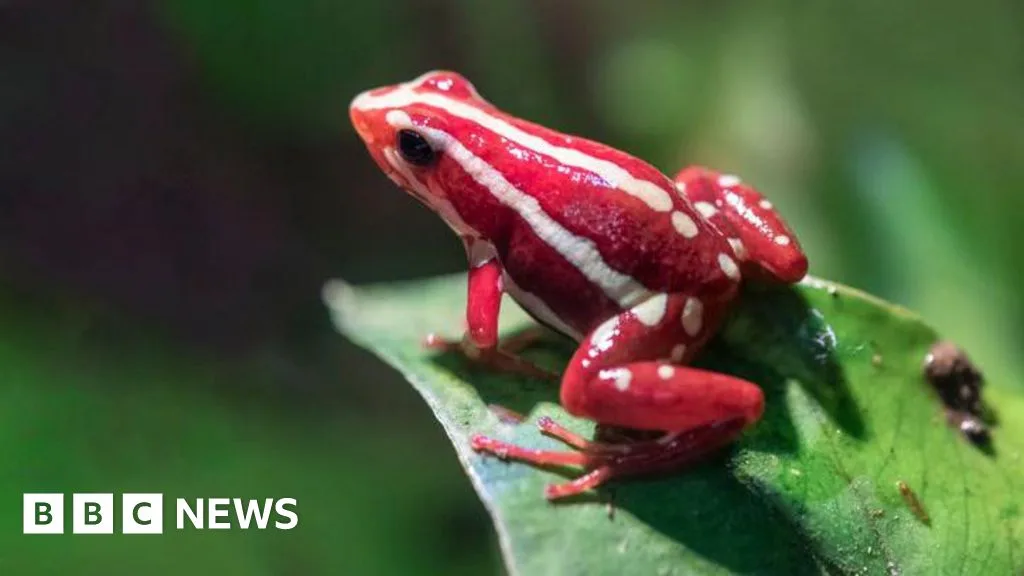
- The toxin allegedly used to poison Alexei Navalny is epibatidine, derived from poison dart frogs.
- Epibatidine can be found in wild frogs in South America or produced synthetically in laboratories.
- Five European countries—UK, France, Germany, Sweden, and the Netherlands—issued a joint statement blaming Russia.
- European leaders expressed confidence that Navalny was poisoned with a lethal toxin linked to poison dart frogs.
- The poisoning reportedly occurred while Navalny was in prison.
What Happened
European leaders from the UK, France, Germany, Sweden, and the Netherlands stated that Alexei Navalny was poisoned with epibatidine, a toxin found in South American poison dart frogs or manufactured synthetically. They attributed the poisoning to Russia and said it likely happened while Navalny was imprisoned. The toxin is highly potent and unusual in poisoning cases.
Why It Matters
The accusation implicates the Russian government in an alleged targeted poisoning of a political opponent, raising concerns about human rights and international law. The use of a rare toxin like epibatidine highlights the complexity of the case and may affect diplomatic relations between Russia and European countries. It also draws attention to the treatment of political prisoners.
Sources
Confirmed by 3 independent sources
- BBC NewsCenterjust nowWhat is the dart frog toxin allegedly used to kill Alexei Navalny?
- NPR NewsCenter1d ago5 European nations say Alexei Navalny was poisoned and blame the Kremlin
- CBS NewsLeft1d agoAlexei Navalny was likely fatally poisoned in prison, European leaders say