European Gas and Oil Markets React to Saudi Pipeline Damage and Middle East Tensions
1-Minute Brief
Disruptions in Middle Eastern energy supply chains are raising global energy prices and prompting shifts in sourcing strategies.
Key Facts
- European natural gas prices are near their highest levels since 2022 amid concerns over depleted stockpiles.
- Liquefied natural gas buyers are increasingly turning to US suppliers as the crisis in the Strait of Hormuz affects global supply routes.
- Traders are working to refill European gas stockpiles ahead of the heating season, with no resolution to the Middle East situation reported.
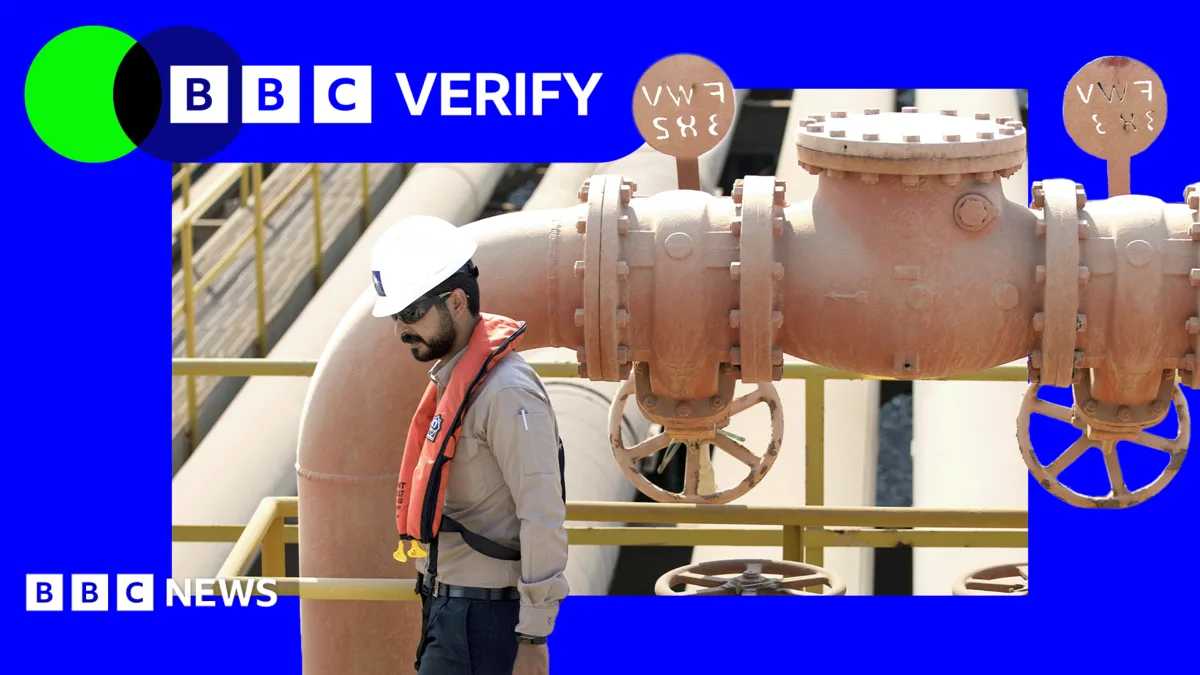
- Pipeline damage in Saudi Arabia and threats to Red Sea and Hormuz passage have contributed to market volatility.
- Analysts predict a jump in gas prices and a prolonged disruption from the damaged Saudi pipeline.
What Happened
Energy markets have experienced volatility following pipeline damage in Saudi Arabia and ongoing tensions in the Middle East, impacting both oil and gas prices and supply routes.
Why It Matters
The disruptions have led to higher energy prices and increased uncertainty for global markets, with potential economic impacts and shifts in energy sourcing, particularly in Europe and Asia.
What's Next
Observers are monitoring efforts to repair infrastructure and refill stockpiles, as well as potential changes in trade flows and further developments in the Middle East crisis.
Sources
Confirmed by 3 independent sources
- Bloomberg MarketsCenter9h agoEuropean Gas Holds Near Highest Since 2022 on Stockpile Concern
- Bloomberg MarketsCenter11h agoWolf: Saudi Pipeline Recovery Not a Quick Fix
- Bloomberg MarketsCenter5h agoLNG Buyers Turn to US as Hormuz Crisis Forces Supply Rethink