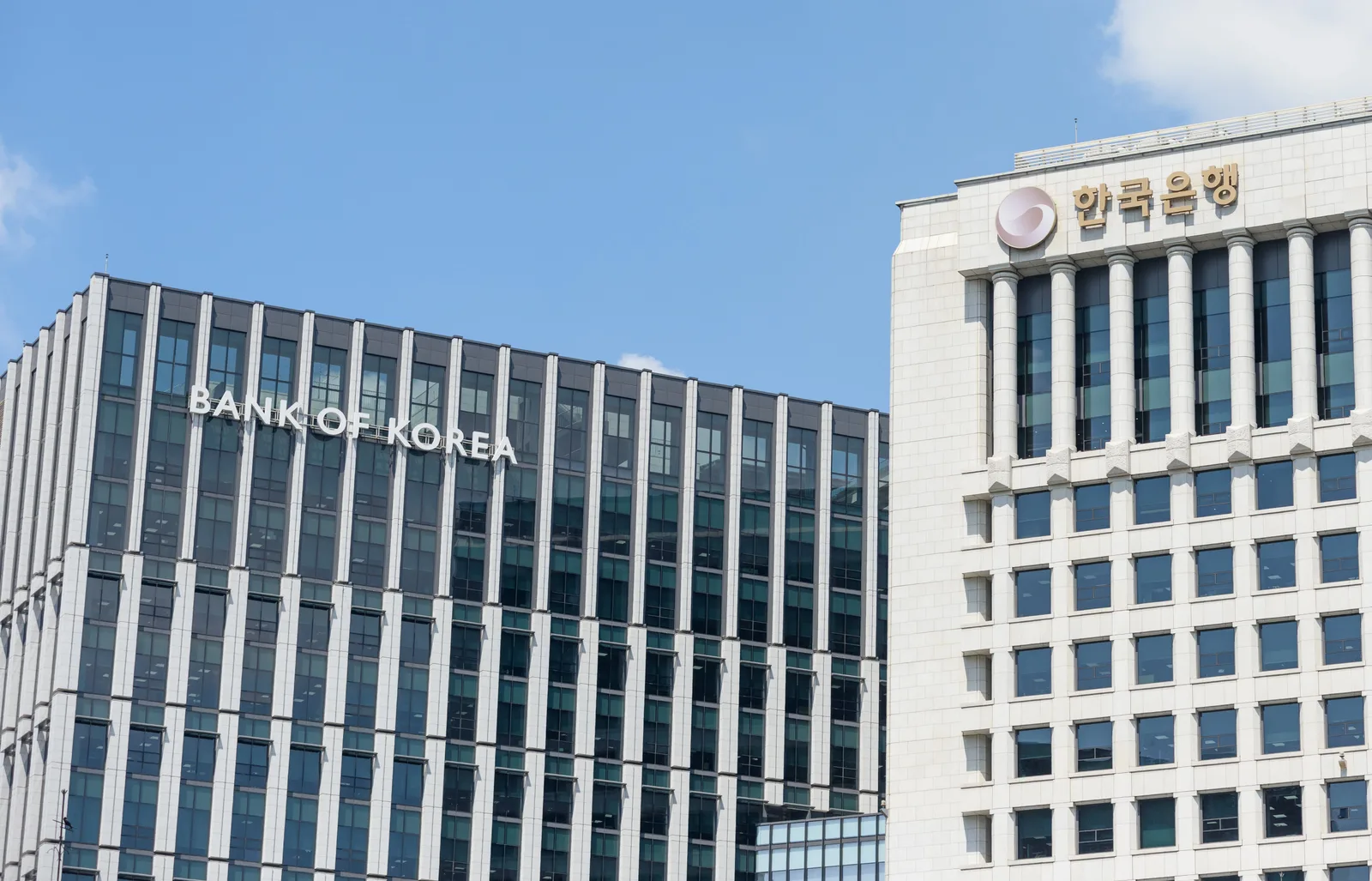
South Korea's Central Bank Raises Interest Rate for First Time Since 2023
1-Minute Brief
The rate hike reflects efforts to address inflation and high household debt amid regional market volatility.
Key Facts
- South Korea’s Kospi index fell 6.6% as Asian shares mostly declined.
- The Bank of Korea raised its key interest rate by 25 basis points to 2.75%.
- This is the first rate hike by South Korea's central bank in over three years.
- Asian stock declines were attributed to a selloff in chipmaker shares and concerns over AI sector performance.
- Oil prices also fell despite ongoing U.S.-Iran strikes.
What Happened
South Korea's central bank increased its key interest rate for the first time since 2023, aiming to curb inflation and slow household debt growth. The move coincided with a significant decline in Asian stock markets, particularly in South Korea.
Why It Matters
The rate hike signals a shift in South Korea’s monetary policy amid persistent inflation and debt concerns. Broader market declines highlight ongoing investor uncertainty in the region, especially in technology sectors.
What's Next
Investors will monitor the Bank of Korea’s future policy moves and the impact on household debt and inflation. Market participants are also watching for further developments in the technology sector and regional geopolitical tensions.
Sources
Confirmed by 3 independent sources
- The IndependentLeft3h agoAsian shares mostly decline with South Korea's Kospi down 6.6%, while oil prices slip
- ReutersCenter7h agoAsian shares fall on chipmaker drag, bonds cheer cooler inflation
- CNBCCenter8h agoBank of Korea raises rates to 2.75% in first hike in over three years