Central Banks Signal Caution on Interest Rate Hikes Amid Iran War Uncertainty
1-Minute Brief
Central banks are weighing the risks of premature interest rate hikes as geopolitical tensions and inflation concerns persist.
Key Facts
- Fed Governor Michelle Bowman warned that raising interest rates in response to inflation spikes, mainly from energy prices and tariffs, has proven ineffective.
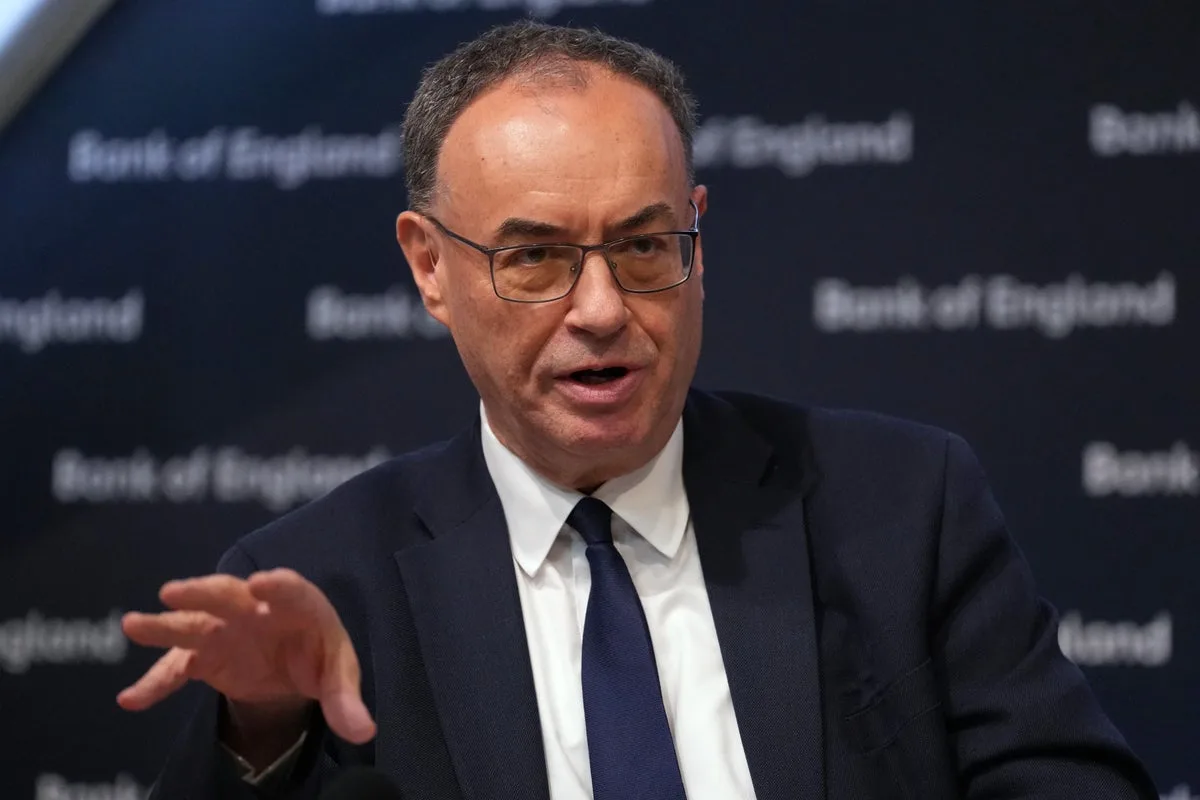
- Bank of England Governor Andrew Bailey stated that inflation above the 2% target can be tolerated for now, citing economic softness.
- Bailey emphasized that reacting too early to inflation could generate undesirable volatility in the economy.
- ECB Governing Council member Dimitar Radev cautioned that delaying policy action in response to the Iran war could be costlier than acting earlier.
- Research highlighted that consumers are experiencing heightened fears of stagflation due to both past inflation episodes and current geopolitical shocks.
What Happened
Leaders from major central banks, including the Federal Reserve, Bank of England, and European Central Bank, addressed the challenges posed by inflation and the ongoing Iran war, signaling a cautious approach to interest rate decisions.
Why It Matters
Their statements reflect the complexity of balancing inflation control with economic stability during periods of geopolitical uncertainty, impacting borrowing costs and consumer confidence.
What's Next
Observers are watching for further policy signals as central banks monitor economic data and developments related to the Iran war before making major rate decisions.
Sources
Confirmed by 4 independent sources
- CNBCCenter55m agoFed Governor Michelle Bowman warns against hiking interest rates because of inflation spike
- Bloomberg MarketsCenter43m agoECB Acting Too Late Can Be Costlier Than Acting Earlier, Radev Says
- The IndependentLeft3h agoBank of England can tolerate inflation above 2% target, says Bailey