Iran War Triggers Global Fuel and Supply Disruptions, Prompts Policy Responses
1-Minute Brief
The Iran war has led to widespread supply chain disruptions, affecting fuel, fertilizer, and food security worldwide.
Key Facts
- Australia has established a government working group with the fertilizer industry to address urea supply risks linked to the Iran war.
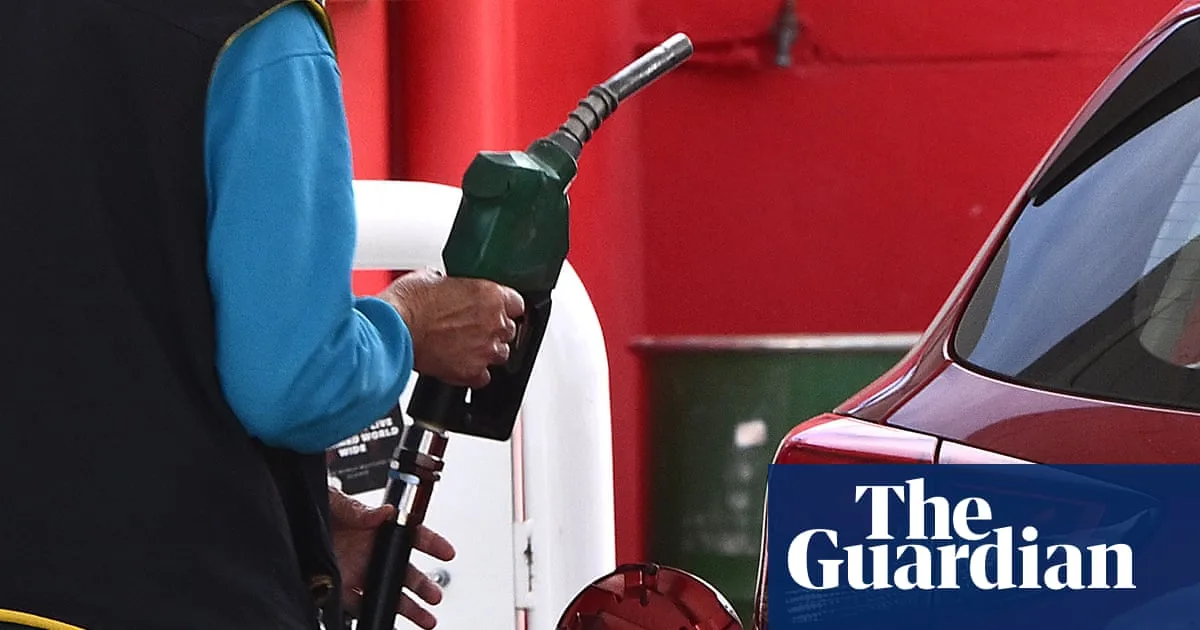
- The Australian government is launching a public campaign urging drivers to minimize fuel use due to ongoing supply shortages.
- Senator Lindsey Graham has been a prominent supporter of US military operations in the Middle East amid political debate over the conflict.
- Sri Lanka is facing compounded challenges from the Iran war, including economic crisis and recent devastating floods.
- The United Nations has warned that the impact of the Iran war on global food security could last well beyond the conflict.
What Happened
The ongoing war involving Iran has disrupted global supply chains, leading to shortages in fuel and fertilizers, and prompting governments and international organizations to respond with policy measures and warnings.
Why It Matters
These disruptions have significant implications for economies, food security, and political stability in affected countries, highlighting the interconnectedness of global supply chains.
What's Next
Governments are considering further relief measures, diplomatic visits, and public campaigns to manage shortages, while international bodies monitor potential long-term effects on food and energy supplies.
Sources
Confirmed by 6 independent sources
- The IndependentLeft1d agoIran hawk Lindsey Graham deflects when asked by Fox News host if war will cost GOP the midterms
- BBC WorldCenter1d agoIran war lands 'triple blow' to flood-ravaged Sri Lankans
- Bloomberg MarketsCenter1d agoAustralia Acts to Secure Urea Amid Supply Risk From Iran War