UN Adopts Resolution Condemning Transatlantic Slavery and Addressing Reparations
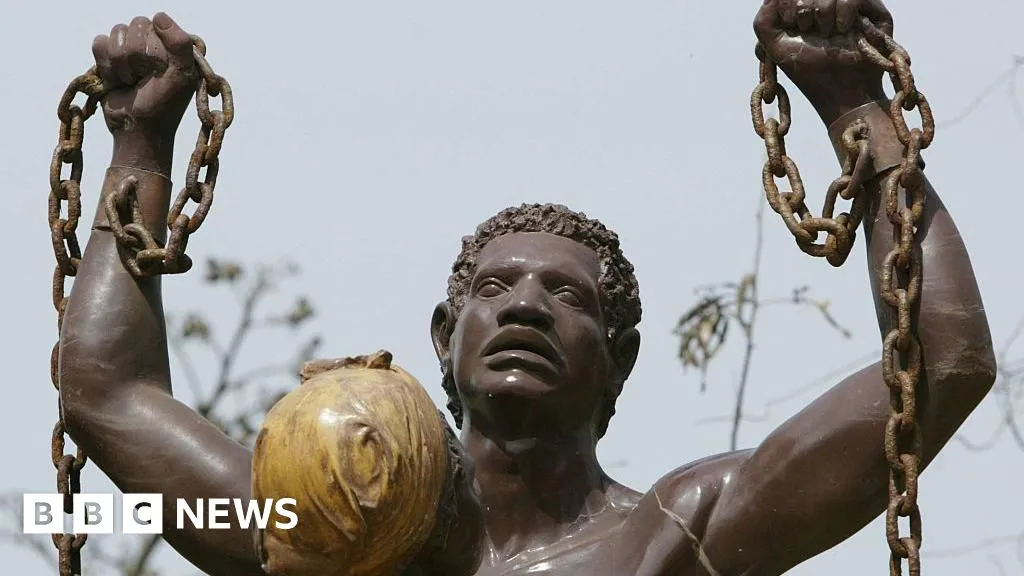
1-Minute Brief
The UN vote signals growing international attention to reparations for slavery and highlights ongoing debates among member states.
Key Facts
- The UN General Assembly passed a resolution condemning transatlantic chattel slavery.
- African and Caribbean nations advocated for countries that benefited from slavery to pay compensation.
- The resolution faced resistance from states historically involved in chattel slavery.
- John Mahama, Ghana’s president, played a key role in rallying support for the vote.
- The process of determining compensation for slavery is expected to be complex.
What Happened
The United Nations General Assembly adopted a resolution condemning transatlantic chattel slavery, following advocacy from African and Caribbean nations and opposition from some Western states.
Why It Matters
The resolution brings renewed focus to the issue of reparations for slavery, reflecting shifting global attitudes and ongoing divisions among UN member states. It may influence future international discussions and policy approaches regarding historical injustices.
What's Next
Discussions are expected to continue on how compensation might be determined and implemented, with debates likely among countries with differing historical roles. The African Union and other groups may further advocate for reparations.
Sources
Confirmed by 2 independent sources
- BBC NewsCenter1h ago'The gravest crime against humanity': What does the UN vote on slavery mean?
- The GuardianLeft13h agoUN’s landmark slavery ruling energises African Union’s fight for reparations