Ukraine and Russia Exchange Accusations Over Orthodox Easter Ceasefire Violations
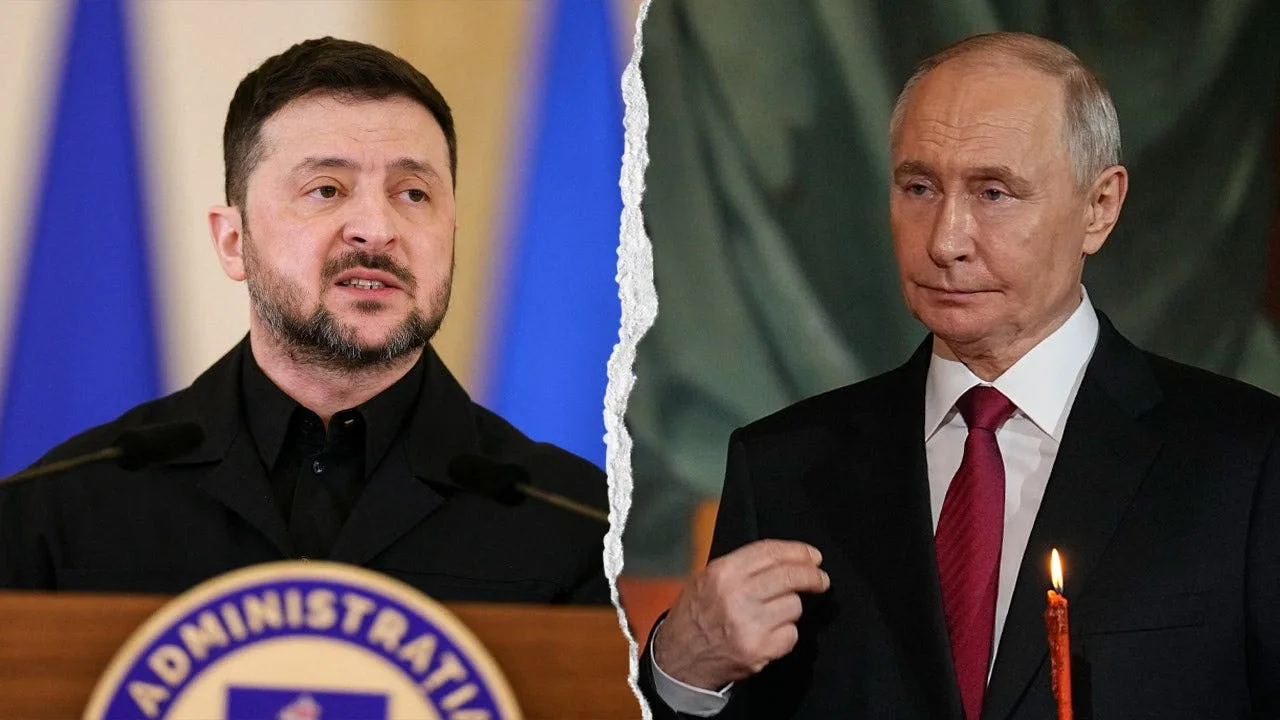
1-Minute Brief
The breakdown of the Orthodox Easter ceasefire highlights persistent mistrust and ongoing challenges to peace efforts between Ukraine and Russia.
Key Facts
- Both Ukraine and Russia accused each other of violating the Orthodox Easter ceasefire.
- Easter celebrations in Kharkiv were subdued, with residents expressing skepticism about the truce's effectiveness.
- Ukrainians in affected areas anticipated renewed fighting after the weekend truce ended.
- Both sides claimed thousands of violations of the ceasefire, according to reports.
- The ceasefire was described as a 32-hour truce imposed by Russian President Vladimir Putin.
What Happened
Ukraine and Russia each accused the other of breaching a 32-hour Orthodox Easter ceasefire. Reports indicate that both sides claimed thousands of violations, and the truce did not significantly alter the situation on the ground.
Why It Matters
The mutual accusations and lack of trust undermine efforts to establish lasting peace. The inability to maintain even a temporary ceasefire during a major religious holiday may further complicate diplomatic initiatives. Reports vary on the exact number and nature of ceasefire violations, with both sides providing conflicting accounts.
What's Next
Observers are watching for potential escalation as the truce ends and fighting may resume. The ongoing blame exchange could impact future negotiations and humanitarian efforts.
Sources
Confirmed by 4 independent sources
- Sky NewsUnknown22h agoUkraine and Russia accuse each other of violating Easter ceasefire
- Fox NewsRight7h agoUkraine, Russia claim thousands of violations of Putin-imposed holiday ceasefire
- BBC NewsCenter15h ago'We need real peace': Easter truce fails to lift grim mood in war-torn Ukraine