U.S. Withdraws from Joint Military Exercises with South Korea Amid Regional Shifts
1-Minute Brief
The U.S. decision to halt joint drills with South Korea signals changing security dynamics and alliances in East Asia.
Key Facts
- The United States has withdrawn from military exercises with South Korea that were scheduled for next month.
- President Trump instructed the Pentagon last Sunday to cut military drills, citing cost concerns and signaling issues with North Korea.
- The U.S.-South Korea relationship is shifting from a traditional military alliance toward a more economic partnership.
- The Iran war is straining U.S. military resources in Asia, according to the Washington Post.
- Growing doubts about the U.S. security umbrella are prompting new strategic calculations in East Asia.
What Happened
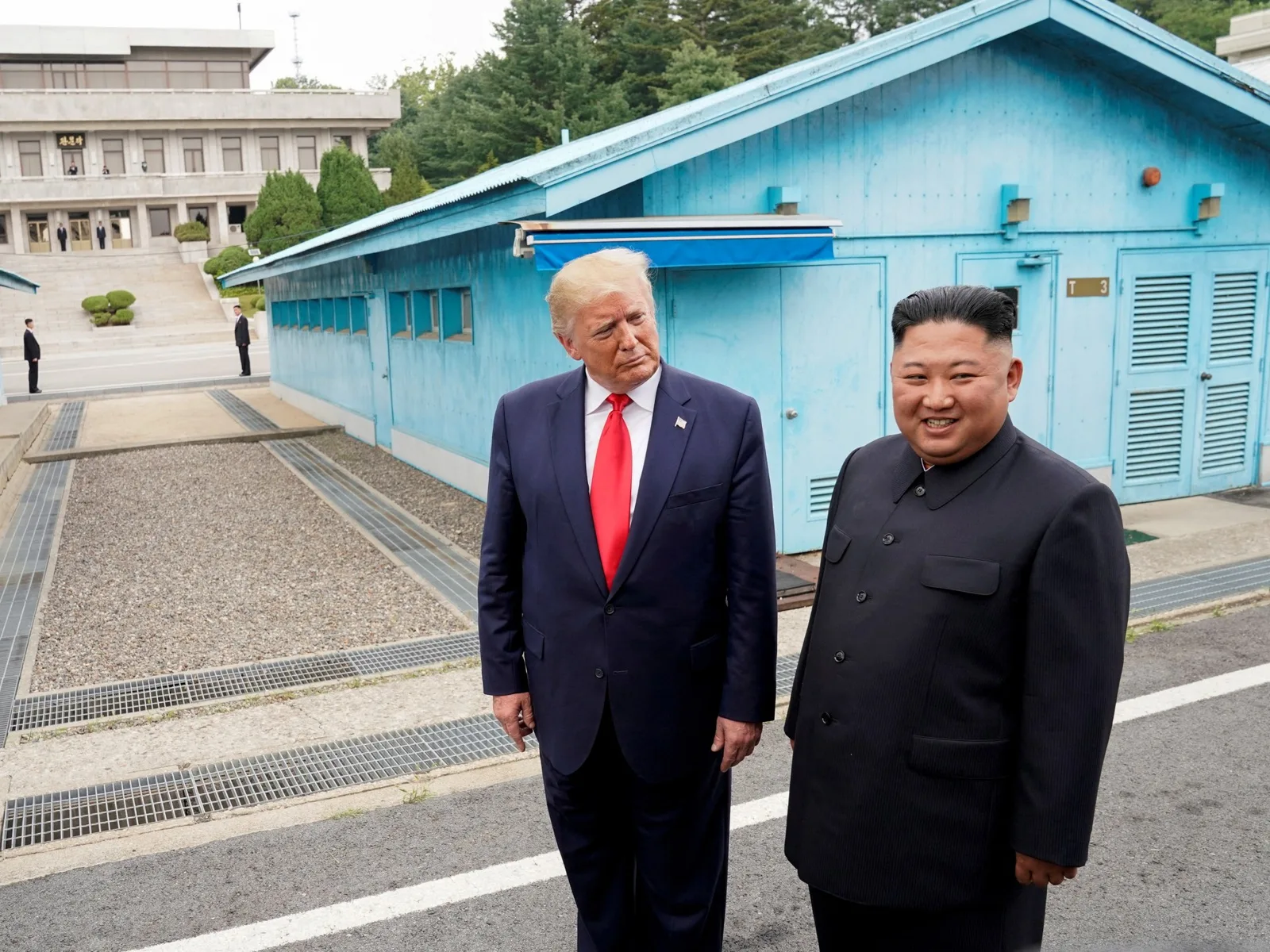
The U.S. announced it will not participate in upcoming joint military exercises with South Korea, following President Trump's directive to reduce such drills.
Why It Matters
This move may alter the security landscape in East Asia, affecting regional alliances and prompting countries to reconsider their defense strategies amid uncertainty about U.S. commitments.
What's Next
Observers are watching for responses from South Korea and other regional actors, as well as potential adjustments in U.S. military and diplomatic engagement in East Asia.
Sources
Confirmed by 3 independent sources
- Al JazeeraLeft4h agoTrump’s Korean gambit exposes a shifting East Asian order
- Washington PostLeft1d agoU.S. withdraws from military exercises with South Korea set for next month
- CNBCCenter12h agoFrom military alliance to economic partnership: How Trump is redefining U.S.-South Korea ties