Oil Prices and Gasoline Costs Rise Amid Ongoing U.S.-Iran Conflict
1-Minute Brief
The U.S.-Iran conflict has led to rising oil and gasoline prices, economic concerns, and new policy responses.
Key Facts
- World leaders are preparing for potential severe economic impacts as oil prices rise during the U.S.-Iran conflict.
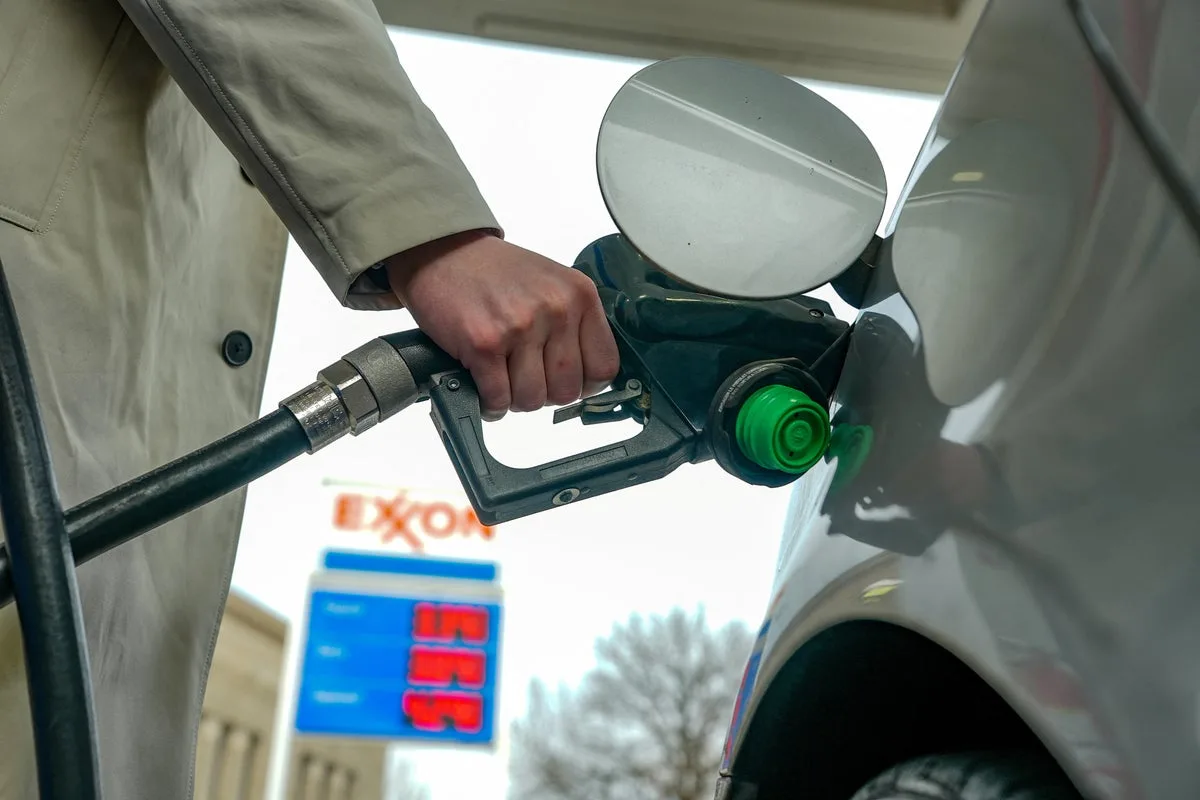
- U.S. gasoline prices have increased by 17% since the conflict began, according to multiple reports.
- Interruptions in Middle East oil supplies are affecting global and U.S. energy costs.
- President Trump announced a new U.S. oil refinery project with investment from India's Reliance Industries Ltd.
- President Trump has stated the conflict will be brief, but economic risks remain a concern among global leaders.
What Happened
Rising tensions and conflict between the U.S. and Iran have disrupted oil supplies, leading to higher oil and gasoline prices. The U.S. government and international actors are responding with new policies and economic measures.
Why It Matters
The increase in energy prices affects consumers and economies worldwide, raising concerns about economic stability. Policy responses, such as new refinery projects and risk insurance for oil tankers, reflect efforts to mitigate the impact.
What's Next
Observers are watching for further changes in oil prices, the progress of the new refinery project, and diplomatic efforts to resolve the conflict. The duration and outcome of the conflict remain uncertain.
Sources
Confirmed by 5 independent sources
- NYTLeft1d agoAs Oil Prices Rise, Trump’s War With Iran Becomes a Worldwide Economic Hazard
- Bloomberg MarketsCenter5h agoTrump Says US to Get New Oil Refinery With Reliance Backing
- NYTLeft1d agoU.S. Gasoline Prices, Rising Again, Are Now Up 17% Since Conflict Started