U.S. and Iran Near Possible Ceasefire Extension Amid Strait of Hormuz Talks
1-Minute Brief
Efforts to extend a fragile ceasefire and negotiate over the Strait of Hormuz could impact regional stability and global energy flows.
Key Facts
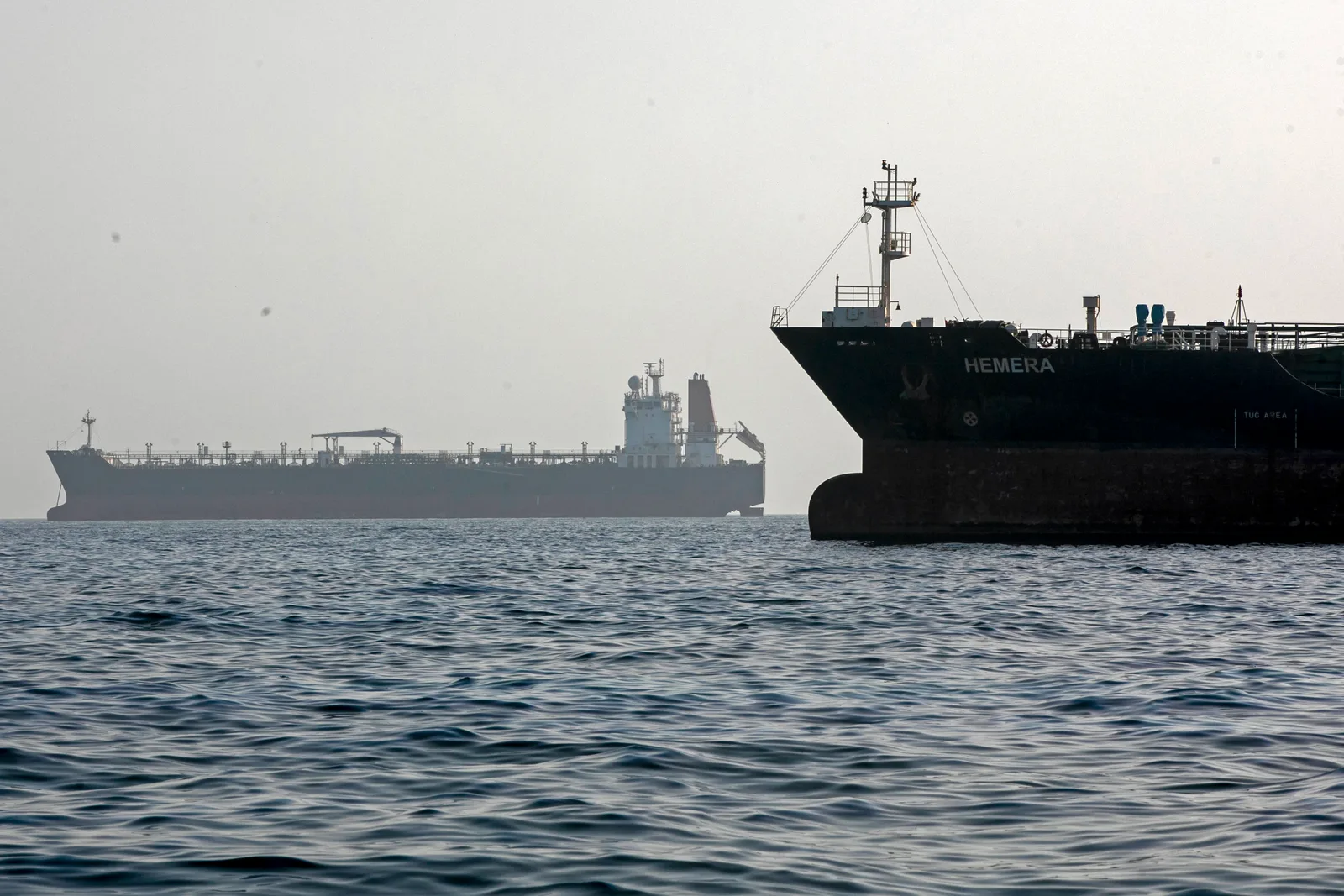
- U.S. officials and negotiators are discussing a process to reopen the Strait of Hormuz.
- President Trump stated he is '50/50' on pursuing a deal with Iran or resuming military strikes.
- Trump said the U.S. is 'getting a lot closer' to an agreement with Iran.
- A 60-day ceasefire extension with a nuclear framework is reportedly under discussion.
- A fragile ceasefire has been in place since April 8, punctuated by skirmishes.
What Happened
U.S. and Iranian officials are engaged in talks to potentially extend a ceasefire and address access to the Strait of Hormuz, with President Trump weighing diplomatic and military options.
Why It Matters
The outcome of these negotiations could influence military tensions, energy transport through a critical waterway, and broader regional security. Decisions made may affect global oil markets and diplomatic relations.
What's Next
President Trump is expected to meet with national security officials and may decide on the next steps, including whether to pursue an agreement or resume strikes. Further mediation efforts and negotiations are anticipated.
Sources
Confirmed by 7 independent sources
- CBS NewsLeft2h agoTrump says U.S. is "getting a lot closer" to agreement with Iran
- CNBCCenter2h agoU.S. and Iran are closing in on a 60-day ceasefire extension with nuclear framework, FT reports
- Google NewsUnknown2h agoExclusive: Trump says he's "50/50" on Iran deal or bombs, will meet envoys to decide