Super Typhoon Bavi Approaches Taiwan, Japan, and China, Prompting Evacuations
1-Minute Brief
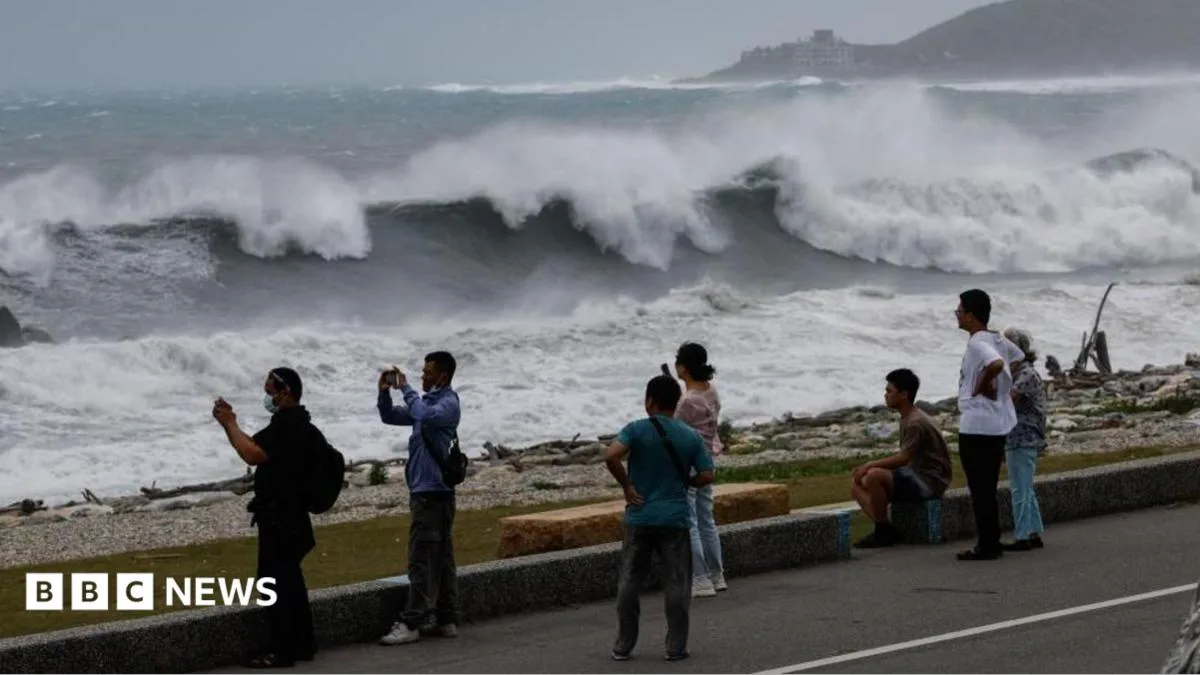
The arrival of Super Typhoon Bavi has led to widespread preparations and evacuations across East Asia due to its expected severity.
Key Facts
- Residents in Taiwan, Japan, and China have been stockpiling supplies as Typhoon Bavi nears.
- Bavi is forecast to be one of the strongest storms in decades, with a width of 1,000 km.
- Hundreds have fled homes in Taiwan, and Japan's southwestern islands are on high alert.
- Flights have been disrupted as Bavi moves towards China after impacting Guam and the US Northern Marianas.
- Bavi is described as being as wide as France, according to reports.
What Happened
Super Typhoon Bavi, described as extremely powerful and wide, is approaching Taiwan, Japan, and China, causing authorities and residents to prepare for severe weather and potential disruptions.
Why It Matters
The storm's size and intensity have raised concerns about potential damage, displacement, and disruption in densely populated regions, highlighting the vulnerability of East Asian coastal areas to extreme weather.
What's Next
Authorities are monitoring Bavi's path and strength, with further evacuations and travel disruptions possible as the typhoon approaches landfall in Taiwan and China.
Sources
Confirmed by 4 independent sources
- Al JazeeraLeft34m agoSuper typhoon as wide as France heads to East Asia
- ReutersCenter13h agoJapan's southwestern islands on high alert as powerful Typhoon Bavi approaches
- BBC NewsCenter4h agoEast Asia braces for destructive typhoon as landslides kill 15 in Philippines