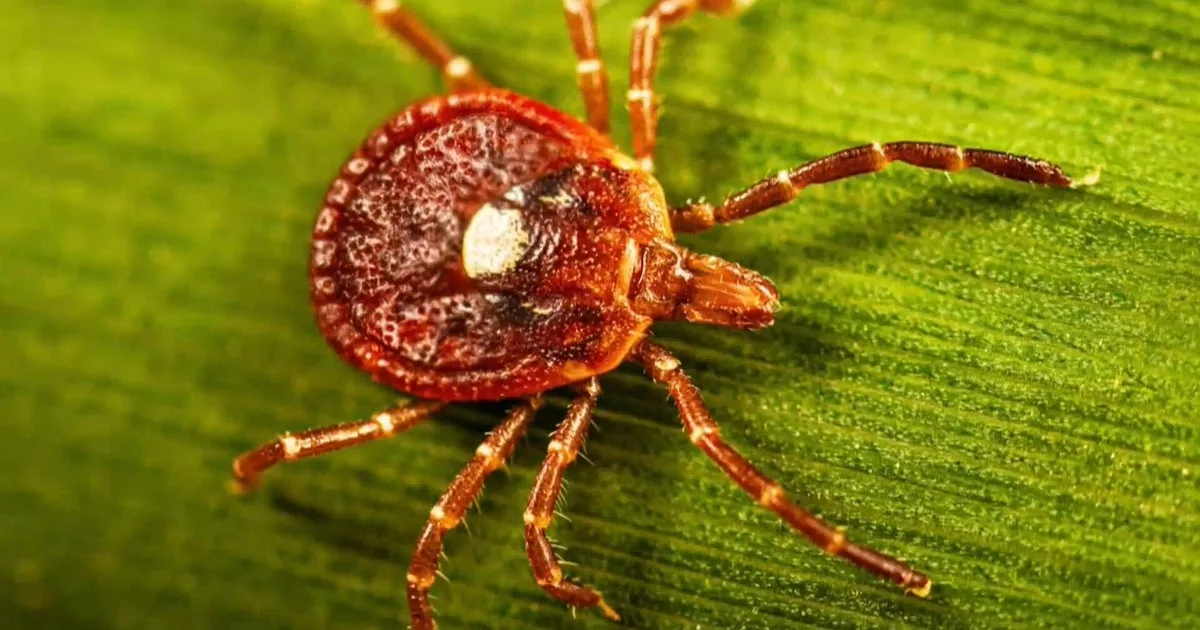
Tick Season Expected to Worsen as Lone Star Ticks Expand Across U.S.
1-Minute Brief
Increased tick activity and expanding tick populations may raise health concerns, including the spread of tick-borne illnesses and allergies.
Key Facts
- Tick season is expected to be worse than normal this summer, with ticks expanding into new regions.
- The lone star tick is spreading across much of the U.S., according to NPR News.
- Lone star ticks have been linked to the transmission of alpha-gal syndrome, a potentially dangerous allergy to red meat.
- The lone star tick is known for actively seeking out hosts, rather than waiting passively.
- CBS News provides safety recommendations for avoiding tick bites, including using repellents and checking for ticks after outdoor activities.
What Happened
Reports indicate that tick season is expected to be more severe than usual, with the lone star tick expanding its range across the U.S. Health experts are highlighting risks such as tick-borne illnesses and red meat allergies.
Why It Matters
The expansion of tick populations, particularly the lone star tick, may increase the risk of tick-borne diseases and allergies, affecting public health and outdoor activities.
What's Next
Health officials recommend preventive measures to reduce tick exposure. Monitoring of tick populations and related health impacts is expected to continue throughout the season.
Sources
Confirmed by 2 independent sources
- CBS NewsLeft34m agoTick season is expected to be worse than normal this summer. Here's why
- NPR NewsCenter20h agoLone star ticks are covering much of the U.S. Here's what you need to know