Tens of Thousands Cross from Morocco into Spanish Enclave of Ceuta
1-Minute Brief
The large-scale crossing into Ceuta highlights ongoing migration pressures and uncertainties about border management between Morocco and Spain.
Key Facts
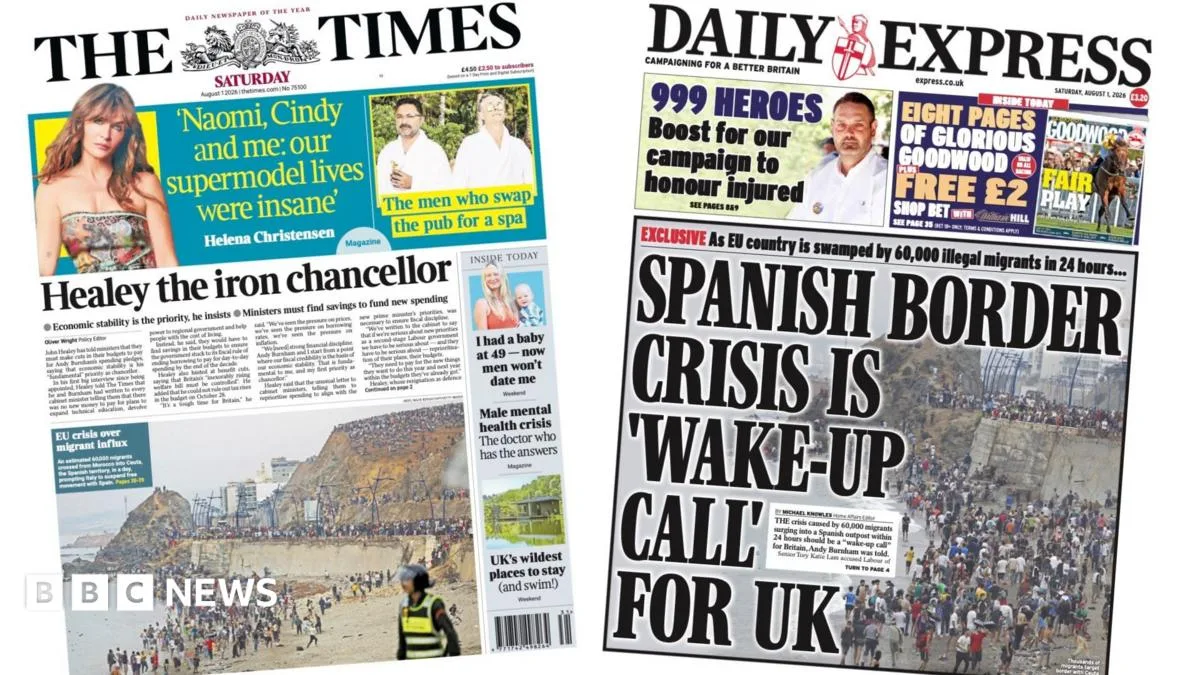
- Reports indicate that 60,000 migrants crossed into Ceuta from Morocco, according to Saturday's papers.
- Several migrants said they were influenced by social media messages claiming the Spanish border was open.
- Experts stated that the causes of the surge remain unclear, with speculation about Moroccan policing, Spanish policies, and misinformation.
- The event has been widely covered in international media, featuring prominently in recent news reports.
- Some migrants were motivated by the search for work, according to interviews.
What Happened
A significant number of migrants crossed from Morocco into the Spanish North African enclave of Ceuta, with media reports citing 60,000 people involved. The motivations and causes remain under investigation, with speculation about various contributing factors.
Why It Matters
This event underscores the complexities of migration management at the EU's external borders and the challenges posed by misinformation and economic pressures. It may affect diplomatic relations and border policy discussions between Spain and Morocco. The exact causes of the surge are not confirmed; experts say it is too early to know. The origin of social media messages cited by migrants remains unclear.
What's Next
Authorities are expected to investigate the causes of the surge and review border management practices. Further developments may include policy responses from both Spanish and Moroccan officials.
Sources
Confirmed by 2 independent sources
- NYTLeft11h agoWhat Caused the Surge in Ceuta?
- BBC NewsCenter6h agoThe Papers: 'Spanish border crisis' and 'iron chancellor'
- NYTLeft11h agoYoung Men Poured Into Ceuta Seeking Work