Taliban Mark Five Years in Power Amid Growing International Engagement
1-Minute Brief
The Taliban's efforts to end Afghanistan's diplomatic isolation raise concerns among campaigners about human rights and international recognition.
Key Facts
- The Taliban have held power in Afghanistan for five years.
- Major regional and international powers are showing a readiness to engage more closely with the Taliban.
- Some countries are renewing ties or increasing diplomatic contacts with the Taliban regime.
- Campaigners express concern that increased diplomatic engagement may undermine demands for human rights improvements.
- The Taliban face emerging threats that challenge their stability and control.
What Happened
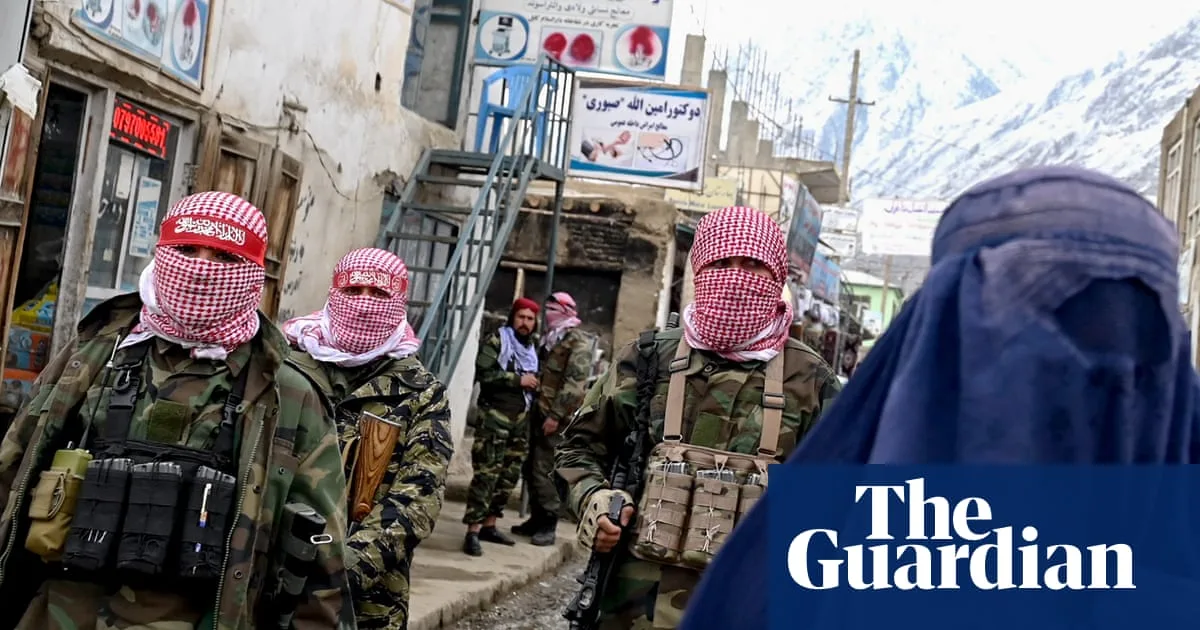
Five years after taking control of Afghanistan, the Taliban are seeking to end their international isolation as more countries consider or pursue diplomatic engagement. This comes amid ongoing concerns about the regime's human rights record.
Why It Matters
Growing international engagement with the Taliban could affect Afghanistan's political future and the global response to its human rights situation. The shift may influence both internal governance and external relations.
What's Next
Observers are watching for further diplomatic moves by foreign governments and any changes in the Taliban's domestic policies or international standing. Human rights advocates continue to monitor the impact of increased engagement.
Sources
Confirmed by 2 independent sources
- NYTLeft1h agoEntrenched, Embattled and Defiant, the Taliban Celebrate 5 Years in Power
- The GuardianLeft32m agoConcerns grow over increased global ties with Taliban in Afghanistan