Supreme Court Rules Louisiana Inmate Cannot Sue Over Forced Shaving of Dreadlocks
1-Minute Brief
The decision clarifies the limits of legal recourse for prisoners alleging religious rights violations by prison officials.
Key Facts
- The Supreme Court issued a 6-3 opinion rejecting the former inmate's lawsuit against Louisiana prison officials.
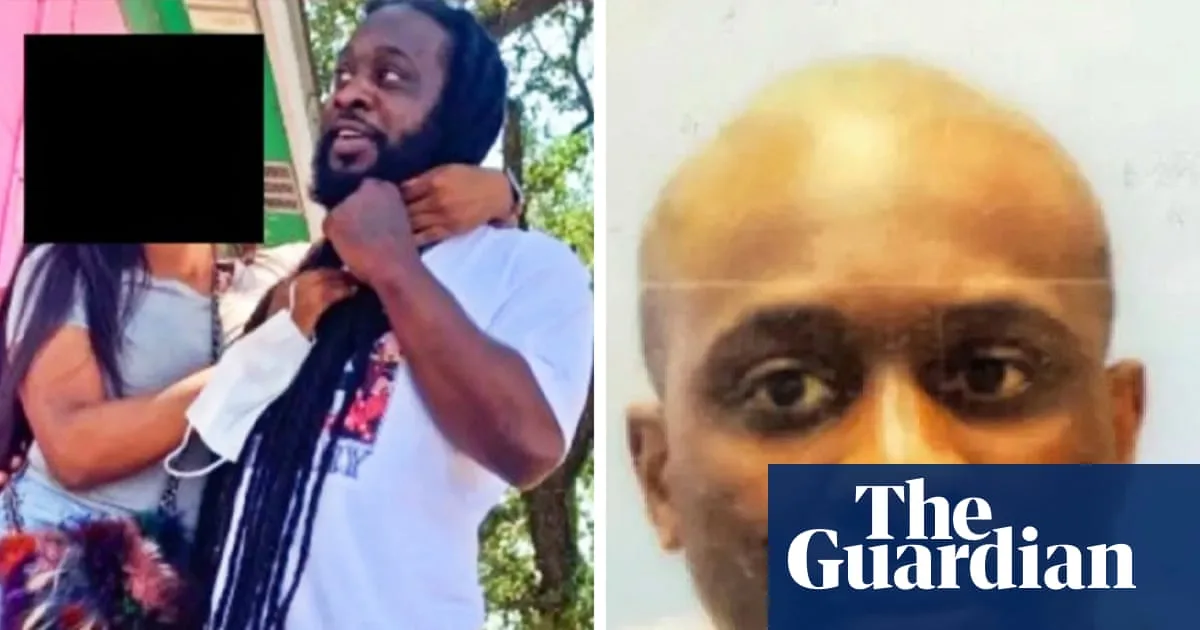
- The man, a Rastafarian, argued his religious rights were violated when his dreadlocks were forcibly shaved.
- The case was brought under a federal law intended to protect incarcerated people from religious discrimination.
- The inmate had grown his hair for more than 20 years before the incident, according to reports.
- The court's decision prevents the former inmate from seeking damages from the prison guards involved.
What Happened
The US Supreme Court ruled that a former Louisiana inmate cannot sue state prison officials after they forcibly shaved his dreadlocks, which he maintained for religious reasons.
Why It Matters
This ruling sets a precedent on the extent to which prisoners can seek damages for alleged violations of religious rights by prison staff, potentially impacting future religious discrimination claims in correctional settings.
What's Next
Legal experts and advocacy groups may examine the ruling's implications for religious freedom protections in prisons. Further legislative or judicial responses could follow.
Sources
Confirmed by 3 independent sources
- CBS NewsLeft2h agoSupreme Court rules ex-inmate can't sue prison officials for shaving dreadlocks
- The GuardianLeft1h agoUS supreme court blocks Rastafarian man’s lawsuit over forced head-shaving in prison
- BBC NewsCenter35m agoUS top court says Rastafarian man cannot sue prison guards who cut his dreadlocks