Supreme Court Orders Louisiana to Redraw Congressional Map in Voting Rights Case
1-Minute Brief
The Supreme Court's decision could affect how race is considered in redistricting and influence future election outcomes.
Key Facts
- The Supreme Court ruled that Louisiana must redraw its congressional map after finding it was an unconstitutional racial gerrymander.
- The case, Louisiana v Callais, centered on the extent lawmakers can consider race when creating electoral districts.
- The decision was part of a broader move by the Court to limit the use of the Voting Rights Act in redistricting.
- The ruling was delivered in a 6-3 decision by the Supreme Court.
- Some political figures, including Alexandria Ocasio-Cortez, have called for Democrat-leaning states to redraw their own maps in response.
What Happened
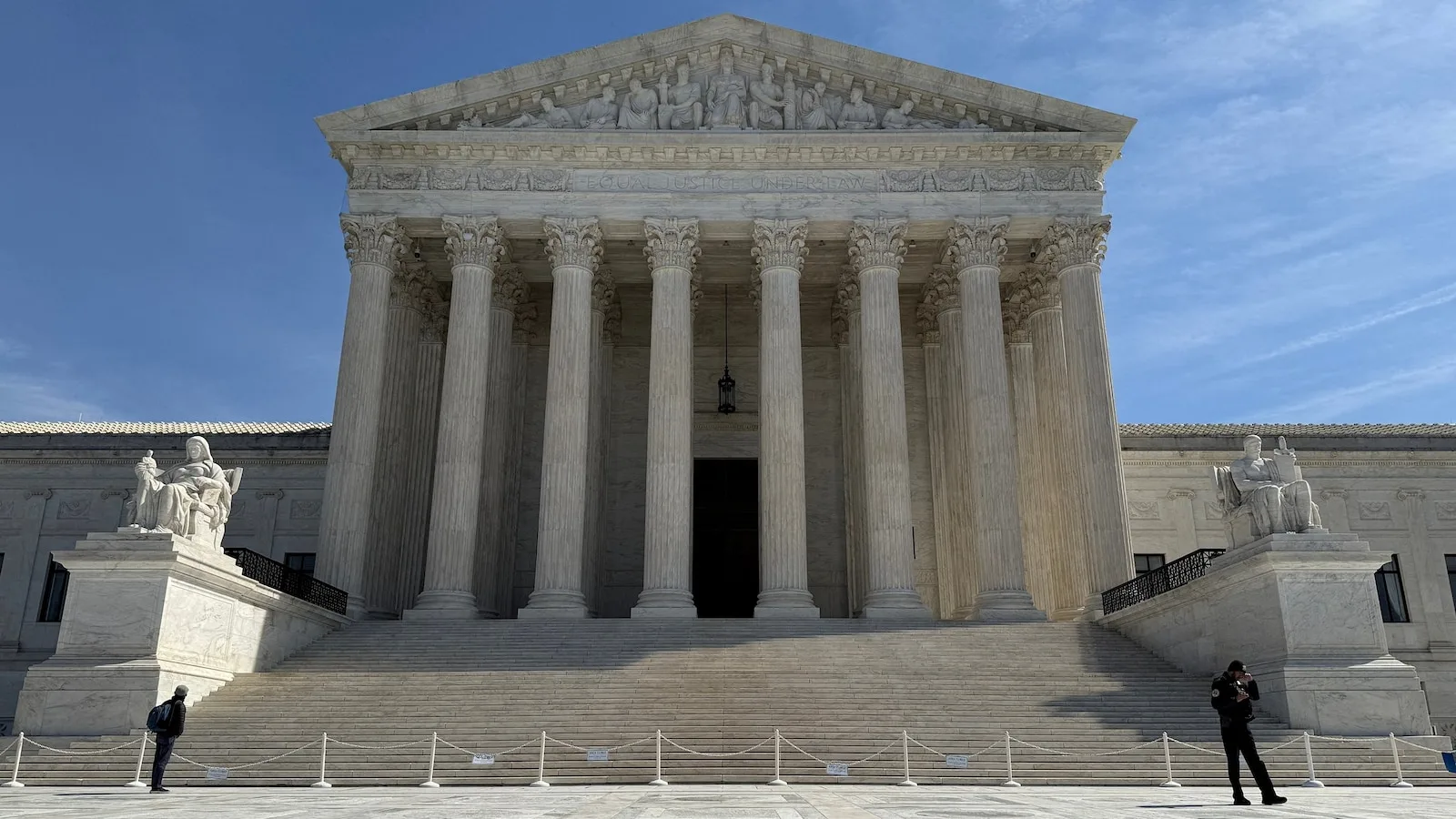
The U.S. Supreme Court ruled that Louisiana's congressional map must be redrawn, finding it constituted an unconstitutional racial gerrymander. The decision is part of a series of recent rulings narrowing the application of the Voting Rights Act.
Why It Matters
This ruling could set a precedent for how race is considered in redistricting nationwide, potentially impacting the balance of political power and the representation of minority voters in Congress.
What's Next
Louisiana will need to submit a new congressional map. Other states may also face legal challenges or redraw their maps in response to the decision and ongoing political debate.
Sources
Confirmed by 4 independent sources
- Google NewsUnknown17h agoWill Trump’s anti-immigrant rhetoric matter at the Supreme Court?
- ABC NewsLeft6h agoSupreme Court limits Voting Rights Act
- The GuardianLeft7h agoUS supreme court rules Louisiana must redraw its congressional map in landmark case