Supreme Court Considers Constitutionality of Police Geofence Location Data Searches
1-Minute Brief
The Supreme Court's review of geofence warrants could impact how law enforcement accesses digital location data in investigations.
Key Facts
- Geofence warrants allow police to access large tech company databases to identify devices near a crime scene.
- The Supreme Court is currently reviewing the constitutionality of this investigative technique.
- Geofence searches can identify both suspects and potential witnesses by collecting cellphone location data.
- Law enforcement uses these warrants to gather information from users who were in the vicinity of a crime.
- The practice raises questions about privacy and the scope of police surveillance.
What Happened
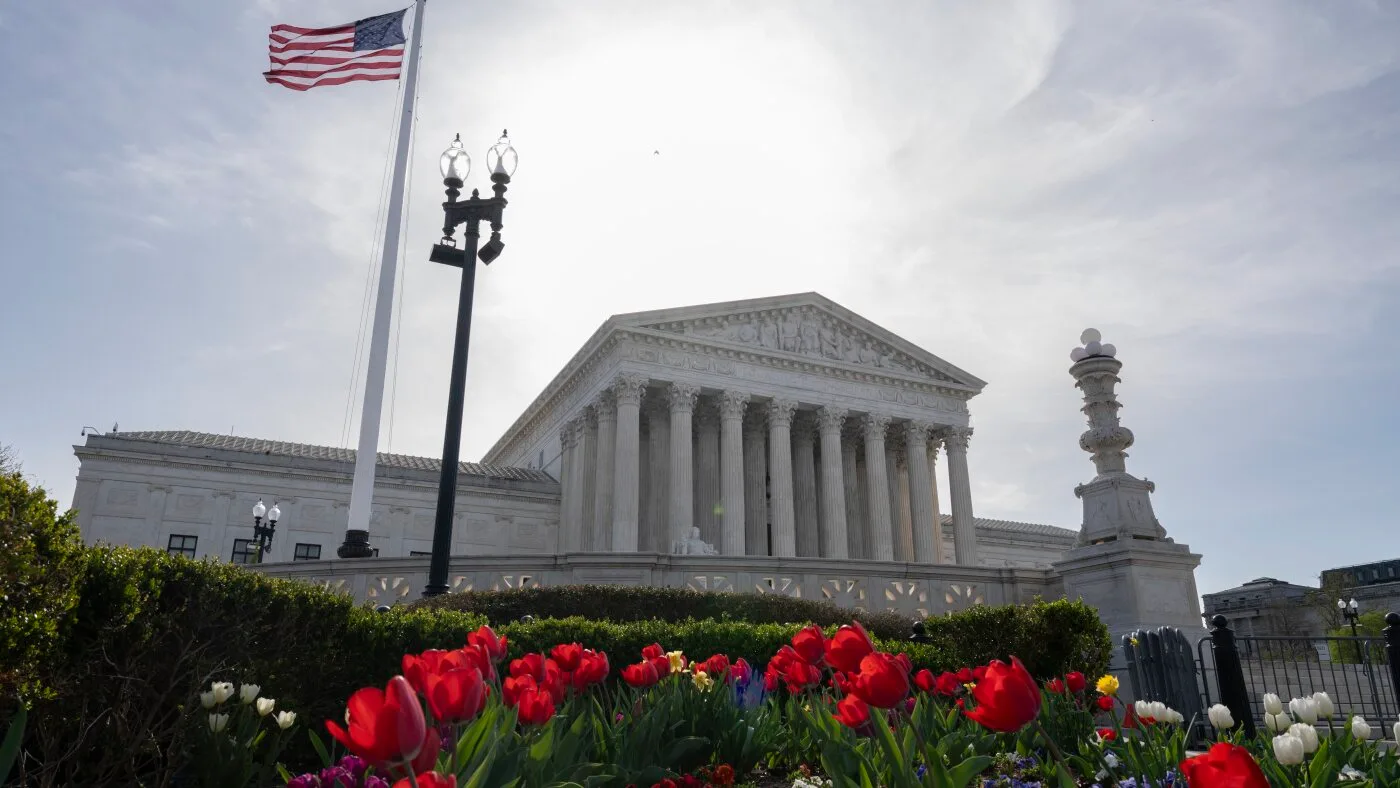
The Supreme Court is examining whether police use of geofence warrants, which collect location data from devices near crime scenes, is constitutional.
Why It Matters
The outcome could set a precedent for digital privacy rights and law enforcement's ability to use technology in criminal investigations. It may also influence how tech companies handle user data requests from authorities.
What's Next
A Supreme Court decision will clarify the legal boundaries of geofence warrants and may prompt changes in law enforcement practices or technology company policies.
Sources
Confirmed by 2 independent sources