Supreme Court Allows White House Ballroom Construction to Proceed Amid Legal Dispute
1-Minute Brief
The Supreme Court's decision permits construction to continue despite concerns over legality and historic site impacts.
Key Facts
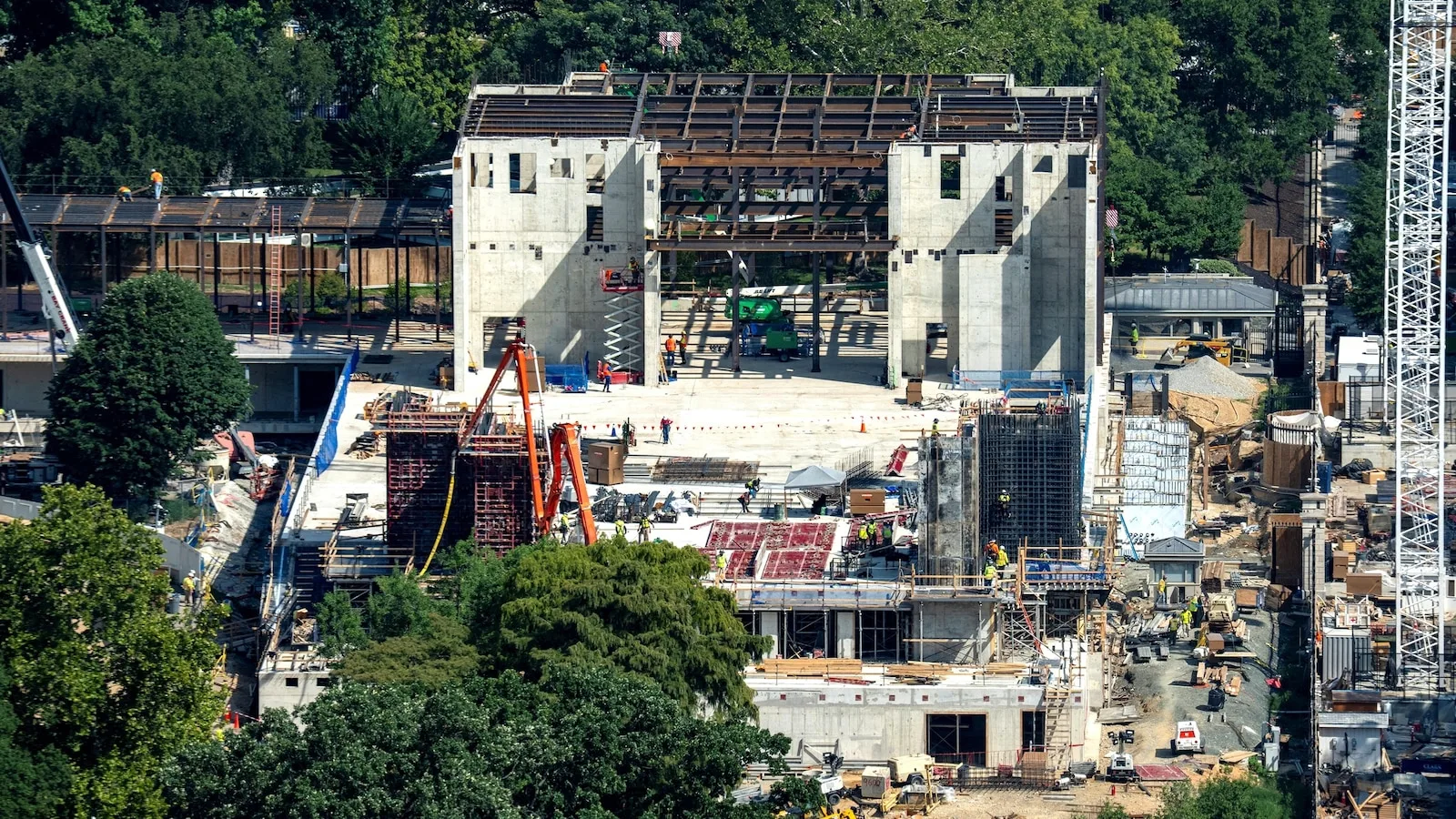
- The Supreme Court has allowed construction of a White House ballroom to proceed while legal challenges continue.
- Chief Justice John Roberts, in dissent, stated the construction was 'likely unlawful.'
- The decision means the ballroom will be substantially completed before final judgments or appeals are resolved.
- The National Park Service supports the project despite finding it would have 'adverse effects' on historic sightlines and visual relationships.
- The proposed project also includes a 250-foot arch, according to the National Park Service.
What Happened
The Supreme Court permitted ongoing construction of a White House ballroom, despite legal challenges and concerns raised by dissenting justices and the National Park Service.
Why It Matters
The ruling allows a major alteration to a prominent federal site to advance before courts resolve questions about its legality and impact on historic landmarks.
What's Next
Legal proceedings and appeals are expected to continue, but the construction is likely to be completed before any final judicial decisions are issued.
Sources
Confirmed by 3 independent sources
- ABC NewsLeft5h agoSCOTUS greenlights White House ballroom construction
- CNBCCenter2d agoNational Park Service backs Trump’s 250-foot arch despite ‘adverse effects’ on historic sites
- The IndependentLeft4h agoTrump’s ballroom construction ‘likely unlawful,’ John Roberts says, but Supreme Court will allow it anyway