Study Links Smacking Children to Lower Academic Performance and Behaviour Issues
1-Minute Brief
The findings raise questions about the potential long-term educational and behavioural impacts of smacking as a disciplinary method.
Key Facts
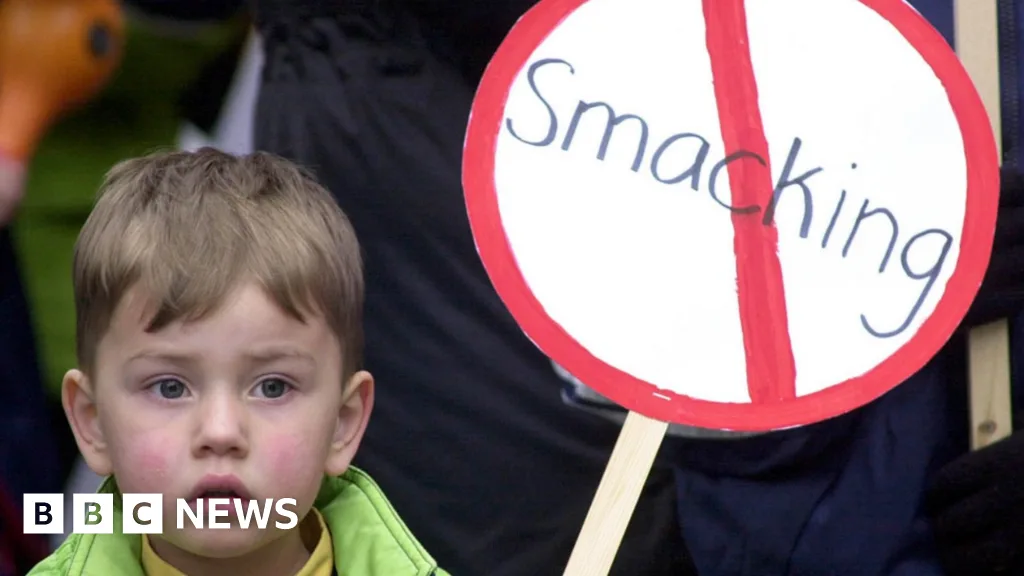
- A University College London (UCL) study suggests that smacking children 'does no good whatsoever'.
- Recent research indicates that fathers today are more actively involved in parenting than those in the 1980s.
- The study connects smacking with both poorer educational outcomes and behavioural problems in children.
- Researchers described the lack of a ban on smacking as a 'huge missed opportunity and deeply disappointing'.
- The study specifically links smacking to lower GCSE grades.
What Happened
A University College London study has found associations between smacking children and negative outcomes, including lower GCSE grades and behavioural issues. Researchers also commented on changes in parenting roles over recent decades.
Why It Matters
The study contributes to ongoing debates about disciplinary practices and their effects on children's development, potentially informing future education and child welfare policies.
What's Next
Further discussion is expected regarding policy changes on smacking, and additional research may be conducted to explore the long-term effects and alternative disciplinary methods.
Sources
Confirmed by 2 independent sources
- BBC NewsCenter21h agoSmacking children could lead to lower GCSE grades, study suggests
- The IndependentLeft22h agoSmacking children linked to poorer education and behaviour problems, study reveals
- The IndependentLeft1d agoThe parenting conversation many dads feel unprepared for