Study Links Human-Caused Warming to Deadly Nepal-Tibet Glacier Floods
1-Minute Brief
The study highlights how rising global temperatures may increase the risk of catastrophic glacier collapses in high mountain regions.
Key Facts
- A scientific study found that human-caused warming played a 'very strong' role in the Himalayan floods.
- More than 1,300 people were killed in the floods affecting Nepal and Tibet, according to researchers.
- Scientists concluded that rising temperatures destabilized permafrost and ice around the collapsed rock and glacier.
- Researchers identified unusually warm conditions before the glacier’s collapse, which triggered the disaster.
- The glacier collapse involved 200,000 square meters and sent an avalanche of 110 million cubic metres of snow and ice into the valley.
What Happened
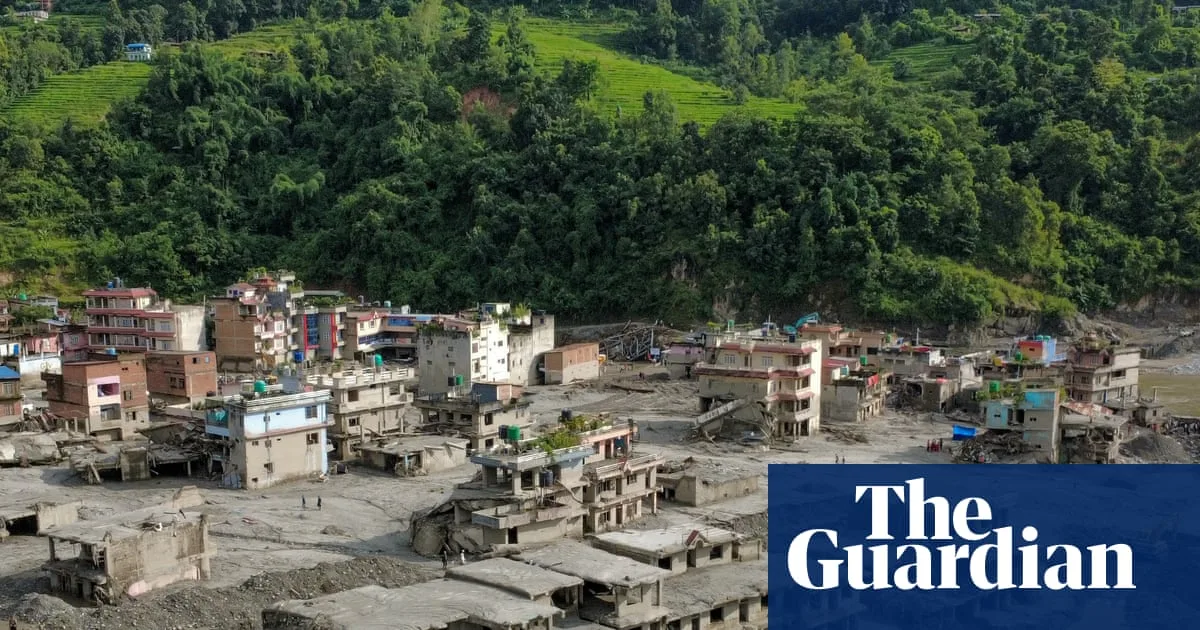
A glacier collapse in the Himalayas triggered catastrophic floods in Nepal and Tibet, resulting in significant loss of life. Scientists attribute the event to destabilization caused by rising temperatures.
Why It Matters
This event underscores the potential for climate change to increase the frequency and severity of natural disasters in mountainous regions, impacting vulnerable communities and infrastructure.
What's Next
Further research may focus on monitoring glacier stability in the region and assessing risks to nearby populations. Policymakers may consider adaptation strategies for high-altitude communities.
Sources
Confirmed by 2 independent sources