Defunct SpaceX Rocket Booster Collides With Moon, Creating New Lunar Crater
1-Minute Brief
The accidental lunar impact offers scientists a rare opportunity to study crater formation and lunar dust dispersal from a man-made object.
Key Facts
- A SpaceX rocket booster traveling at approximately 5,400 mph collided with the moon.
- The rocket part was roughly the size of a school bus and weighed over 8,000 pounds.
- Scientists are monitoring the impact to study how craters form and how lunar dust is dispersed.
- The collision is expected to leave a crater about 16 feet wide on the lunar surface.
- This event is considered a unique scientific opportunity for planetary geologists.
What Happened
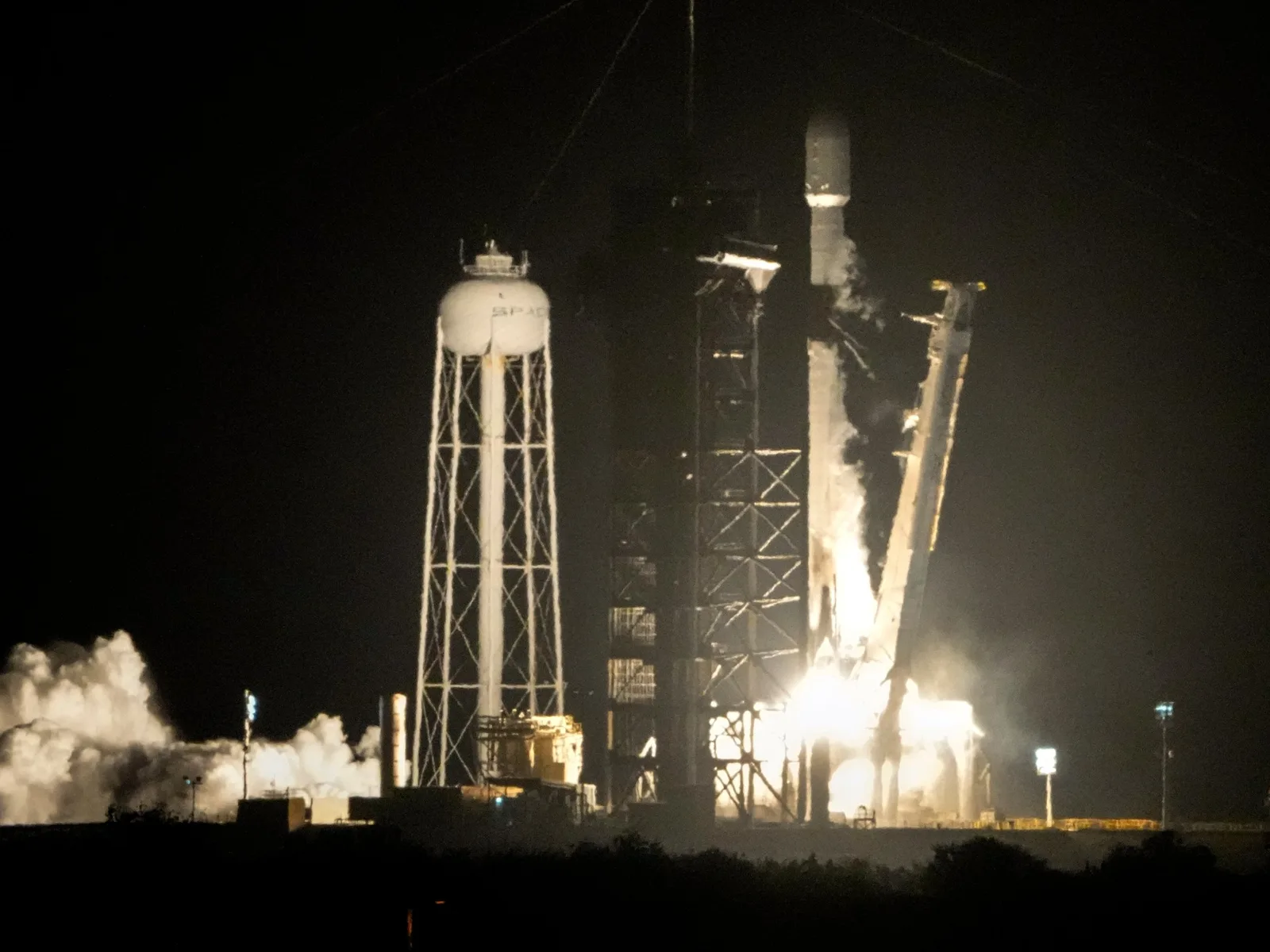
A defunct SpaceX Falcon 9 rocket booster unintentionally struck the moon at high speed, resulting in the creation of a new lunar crater. The impact was monitored by scientists seeking to observe the effects of such collisions.
Why It Matters
This rare event allows researchers to gather data on crater formation and the behavior of lunar dust, which can inform future lunar missions and planetary science. It also provides insight into the long-term effects of space debris on celestial bodies.
What's Next
Scientists will analyze data from the impact to better understand lunar geology and the consequences of artificial objects striking the moon. The findings may contribute to planning for future lunar exploration and managing space debris.
Sources
Confirmed by 3 independent sources
- CBS NewsLeft1d agoSpaceX rocket booster is on a 5,400-mph collision course with the moon
- CBS NewsLeft18h agoSpaceX rocket expected to collide with moon, leave 16-foot crater
- Al JazeeraLeft7h agoPiece of SpaceX rocket the size of a school bus crashes into the Moon