Strait of Hormuz Blockade Disrupts Oil Exports and Global Trade Amid Iran War
1-Minute Brief
The Strait of Hormuz blockade has triggered global economic disruptions, impacting energy markets, travel, and digital infrastructure.
Key Facts
- Oil exports through the Strait of Hormuz have not returned to pre-war levels following Iran's blockade.
- Donald Trump has requested edits to the Iran peace deal negotiated by his envoys, focusing on uranium stockpile terms.
- US forces reportedly fired at a ship attempting to breach the Hormuz blockade, while Israel intensified military actions in Lebanon.
- Rising prices linked to the Iran war are affecting international travel and tourism-dependent economies in Asia.
- Concerns have been raised about the security of undersea internet cables running through the Strait of Hormuz.
What Happened
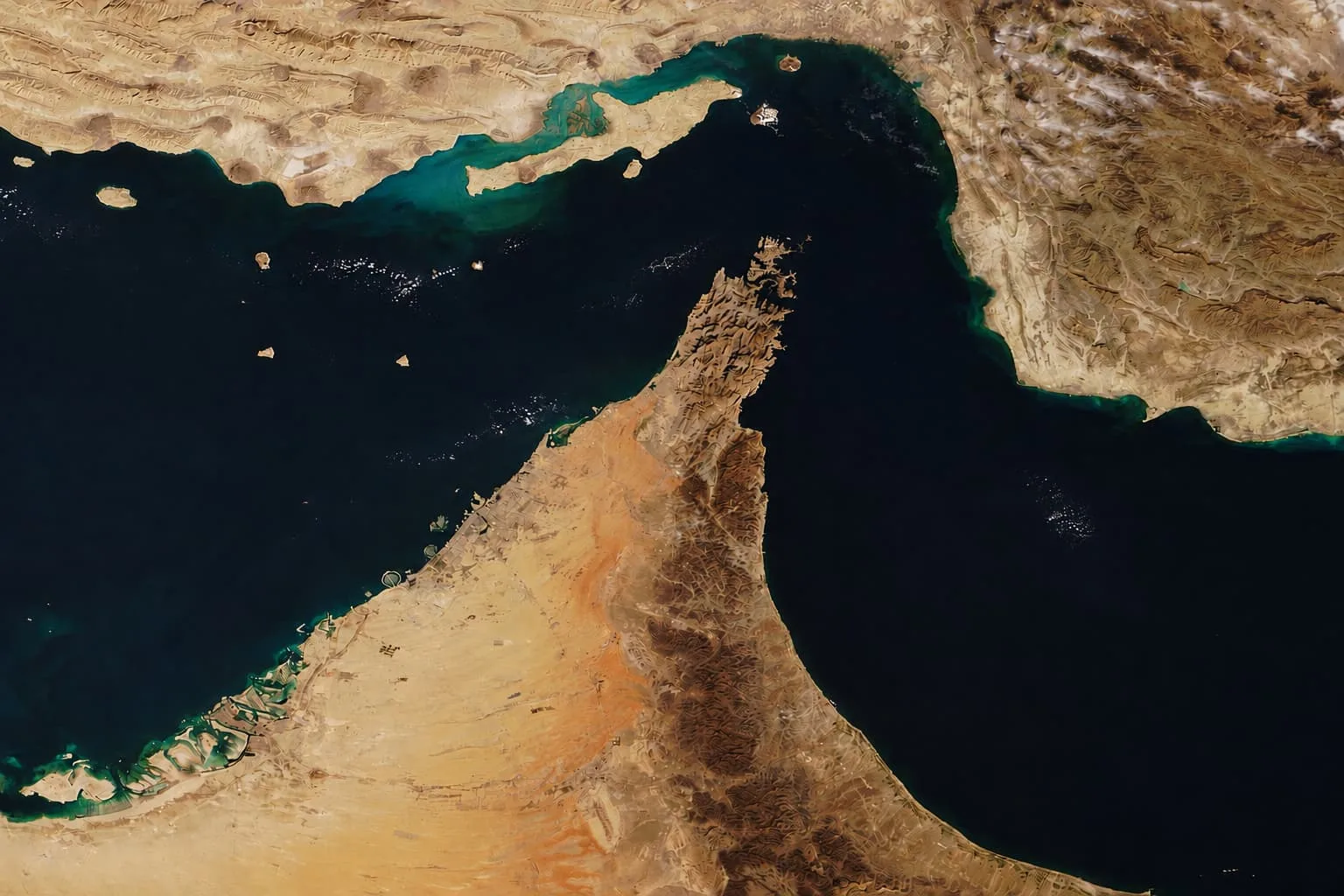
The Iran war has led to a blockade of the Strait of Hormuz, disrupting oil exports and raising security concerns for global trade and infrastructure. Diplomatic negotiations and military actions continue as the situation evolves.
Why It Matters
The blockade affects a critical chokepoint for global oil supply, causes price increases in multiple sectors, and highlights vulnerabilities in digital and economic infrastructure.
What's Next
Observers are watching for developments in diplomatic negotiations, potential reopening of the strait, and measures to secure vital trade and communication routes.
Sources
Confirmed by 4 independent sources
- CNBCCenter22h agoOil exports through the Strait of Hormuz might not return to levels seen before the Iran war
- The IndependentLeft8h agoSoaring prices during the Iran war jeopardize travel to tourism-dependent countries in Asia
- Google NewsUnknown10h agoTrump requests edits to Iran deal his envoys negotiated