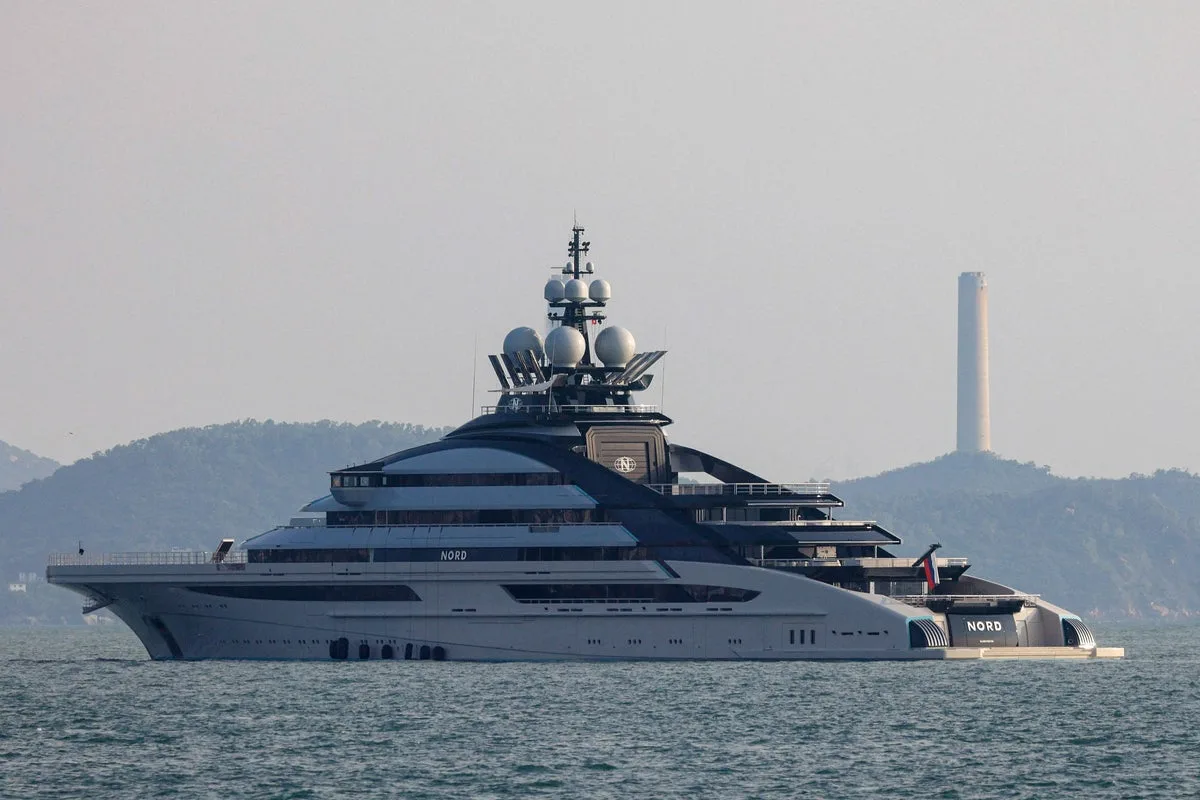
Superyacht Crosses Blockaded Strait of Hormuz Amid Ongoing Iran Restrictions
1-Minute Brief
The Strait of Hormuz closure is impacting global energy markets and prompting new diplomatic and economic responses.
Key Facts
- A $500 million superyacht reportedly sailed through the blockaded Strait of Hormuz despite ongoing restrictions.
- The CEO of Octopus Energy warned customers about potential bill increases if the strait remains closed.
- Since February, Iran has imposed severe restrictions on maritime traffic through the Strait of Hormuz.
- Iran has proposed that shipping companies pay charges for specific services when crossing the strait, according to The Guardian.
- Iran is developing this plan in coordination with Oman to maximize political and legal support.
What Happened
A Russian-linked superyacht reportedly passed through the Strait of Hormuz despite Iranian restrictions, which have been in place since February. Iran is proposing new shipping charges and is working with Oman on a plan for the strait.
Why It Matters
The closure and restrictions in the Strait of Hormuz are affecting global energy prices, prompting warnings from energy suppliers and influencing investment and diplomatic negotiations. The situation has significant implications for international shipping and energy security.
What's Next
Observers are watching for further developments in Iran's negotiations with other countries and the potential impact on global markets and shipping. The outcome of proposed shipping charges and ongoing diplomatic efforts may shape future access to the strait.
Sources
Confirmed by 4 independent sources
- The IndependentLeft1h ago$500m superyacht sails through blocked Strait of Hormuz despite Iran war
- The GuardianLeft2h agoMiddle East crisis live: Iran ‘offers to end chokehold on strait of Hormuz’
- The IndependentLeft7h agoOctopus Energy boss issues bills warning over Strait of Hormuz closure