State Licensing Rules Limit Reach of Free Health Clinics for Uninsured Americans
1-Minute Brief
Barriers created by varying state licensing laws restrict medical volunteers from providing care to underserved populations.
Key Facts
- A patchwork of state licensing rules prevents medical volunteers from reaching more patients in need through RAM.
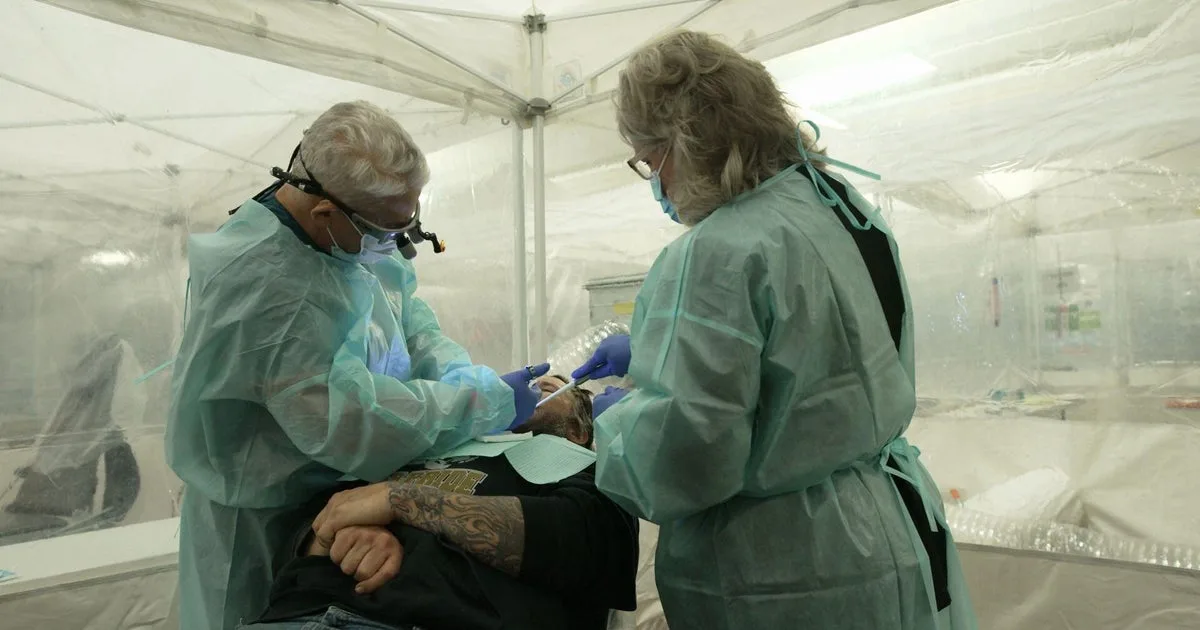
- Some patients wait days and sleep in their cars to receive dental, vision, and medical care at RAM clinics.
- The nonprofit Remote Area Medical (RAM) provides free health care to Americans who are uninsured or underinsured.
- Recent updates to cardiovascular guidelines have changed recommendations for managing cholesterol and statin use, according to multiple medical sources.
- State regulations are cited as a significant factor slowing the expansion of free clinic services.
What Happened
Remote Area Medical (RAM), a nonprofit, offers free clinics for uninsured and underinsured Americans, but state licensing laws limit the ability of medical volunteers to serve more patients.
Why It Matters
These restrictions affect access to essential health services for vulnerable populations, especially as medical guidelines evolve and demand for care increases.
What's Next
Ongoing debates about state licensing laws and potential reforms may impact how organizations like RAM can operate and expand their services.
Sources
Confirmed by 2 independent sources
- CBS NewsLeft1h agoFree health clinics hindered by state laws
- Google NewsUnknown13h agoYour ‘normal’ cholesterol and blood pressure may not be normal anymore
- CBS NewsLeft1h agoDoctors volunteer to help Americans cut off from health care by the cost | 60 Minutes