US Senate Narrowly Rejects Iran War Powers Resolution as GOP Opposition Grows
1-Minute Brief
The Senate's close vote highlights increasing bipartisan concern over continued US involvement in the Iran conflict and executive war powers.
Key Facts
- The Senate rejected the war powers resolution in a 49-50 vote, marking the seventh failed attempt to limit US involvement in Iran.
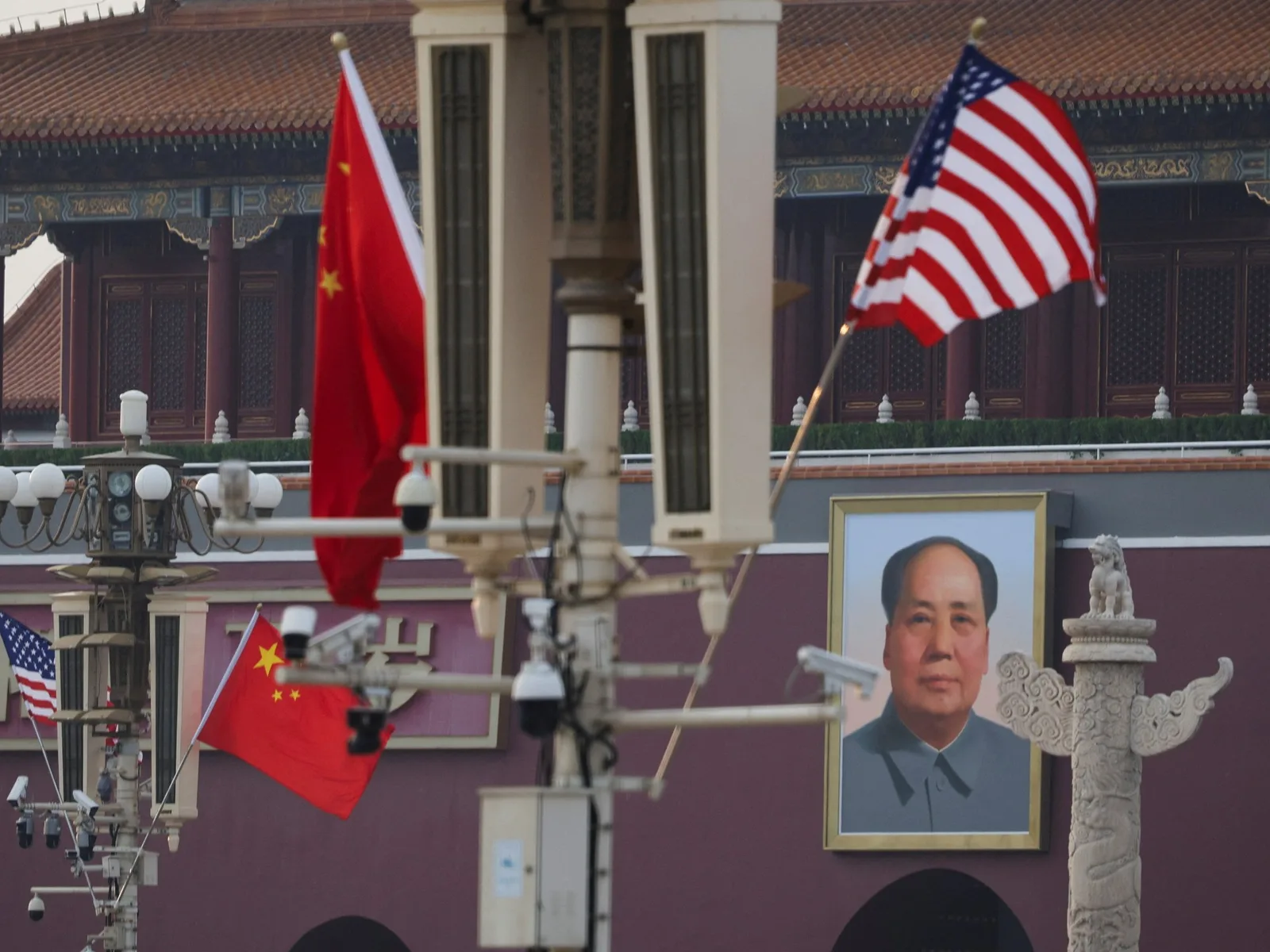
- US officials allege Chinese firms are planning covert arms shipments to Iran through third countries.
- Analysts suggest China may seek US policy changes on Taiwan in exchange for pressuring Iran to reopen the Strait of Hormuz.
- Senator Lisa Murkowski, along with Rand Paul and Susan Collins, broke with GOP leadership to support the resolution.
- China's dominance in rare-earth minerals is seen as significant as the US seeks to replenish weapons stockpiles depleted in the Iran war.
What Happened
The US Senate narrowly failed to pass a resolution aimed at restricting President Trump's authority to continue military action in Iran, with several Republican senators joining Democrats in support. Meanwhile, US officials allege Chinese firms are planning secret arms sales to Iran.
Why It Matters
The vote reflects growing bipartisan unease over executive war powers and the ongoing conflict in Iran. The situation also underscores the complex diplomatic and economic ties between the US, China, and Iran, particularly regarding military support and critical resources.
What's Next
Further Senate votes or legislative efforts to limit presidential war powers may occur. Diplomatic negotiations involving the US, China, and Iran are expected to continue, with potential implications for US policy on Taiwan and global rare-earth supply chains.
Sources
Confirmed by 4 independent sources