Scientists Discover 'Fire Amoeba' Capable of Reproducing at Record High Temperatures
1-Minute Brief
The discovery of the fire amoeba expands scientific understanding of the limits of heat tolerance in complex life forms.
Key Facts
- Researchers identified a species named the fire amoeba that can reproduce at 145°F.
- The fire amoeba continues to move at temperatures up to 147°F.
- This organism sets a new record for the highest temperature at which complex eukaryotic life has been observed reproducing.
- The previous known upper temperature limit for complex cell reproduction was lower than 63°C (145°F).
- Scientists believe this finding challenges previous assumptions about the thermal limits of complex life.
What Happened
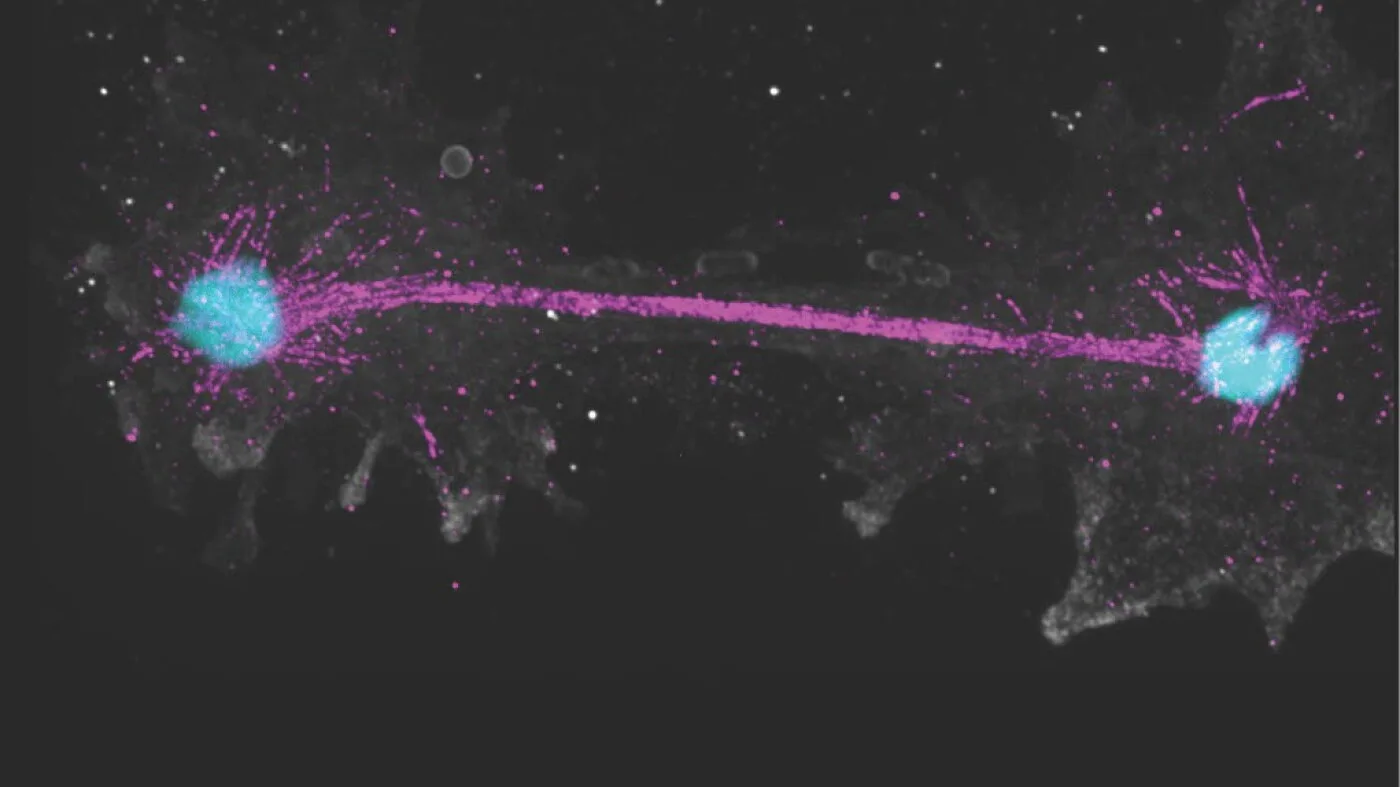
Scientists have discovered a new species, dubbed the fire amoeba, which can reproduce at 145°F and remain active at 147°F, surpassing previously known heat tolerance records for complex eukaryotic organisms.
Why It Matters
This finding may reshape scientific understanding of the environmental boundaries for complex life and could influence future research into extremophiles and the search for life in extreme environments.
What's Next
Researchers are expected to study the fire amoeba further to understand its adaptations and explore potential applications or implications for biology and astrobiology.
Sources
Confirmed by 2 independent sources
- NPR NewsCenter47m agoThis 'fire amoeba' pushes the limit of what's possible for complex life
- Financial TimesCenter2h agoNew ‘fire amoeba’ breaks heat survival record