Sargassum Seaweed Accumulates on Florida Beaches, Affecting Visitors and Local Areas
1-Minute Brief
Large amounts of sargassum seaweed are impacting Florida beaches, raising concerns about effects on tourism and possible spread to other states.
Key Facts
- Sargassum seaweed emits a rotten egg smell due to hydrogen sulfide released as it decomposes.
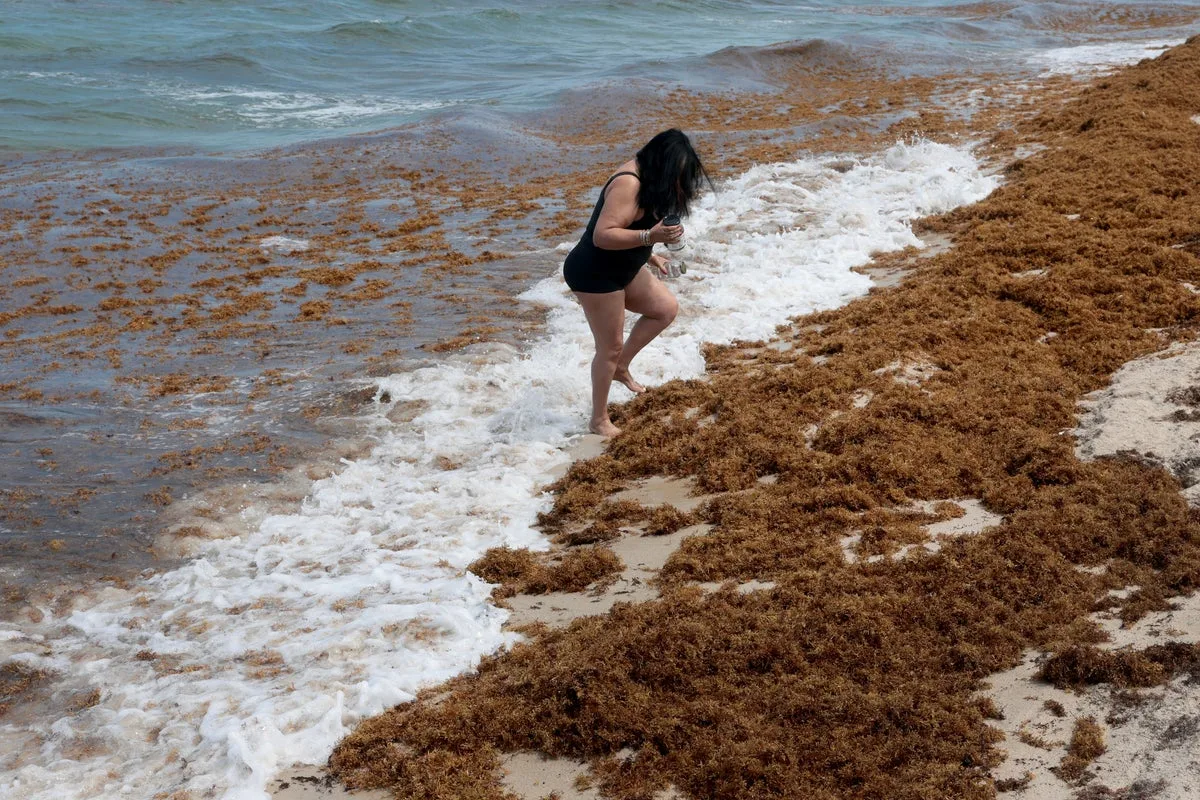
- World Cup visitors in Miami have encountered beaches covered with thick, smelly seaweed.
- Researchers warn that other states beyond Florida could also experience sargassum accumulation.
- Images from space have revealed a previously unknown sargassum structure stretching almost 5,000 miles across the Atlantic Ocean.
- The seaweed buildup has been ongoing for at least six weeks, according to reports.
What Happened
Florida beaches, including those in Miami, have seen significant accumulations of sargassum seaweed, creating strong odors and affecting beachgoers.
Why It Matters
The presence of sargassum may impact tourism and local economies, and researchers caution that similar conditions could develop in other coastal states.
What's Next
Authorities and researchers are monitoring the situation to assess the spread and potential impact of sargassum on additional regions.
Sources
Confirmed by 2 independent sources
- The IndependentLeft15h agoSmelly seaweed is covering Florida beaches - and researchers warn other states to be prepared
- The New York TimesLeft3h agoWorld Cup Visitors in Miami Encounter Beaches Thick With Smelly Seaweed