Rising Fuel Costs and Prevention Shortfalls Impact U.S. Wildfire Response
1-Minute Brief
Increasing fuel prices and reduced vegetation management are raising concerns about the nation's wildfire preparedness and response costs.
Key Facts
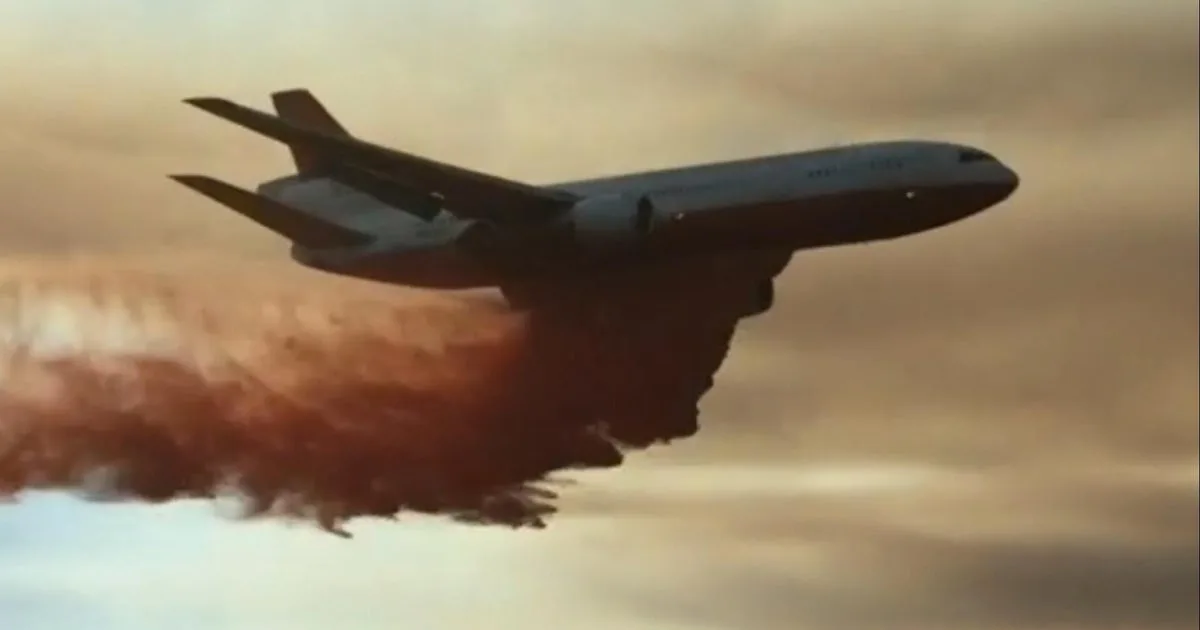
- Aircraft used to fight wildfires are becoming more expensive to operate due to rising fuel prices.
- Carter Evans reported on the impact of fuel costs on wildfire suppression efforts.
- Many U.S. forests are considered overgrown and at high risk of burning.
- According to NPR, the Trump administration reduced flammable vegetation treatment by over a million acres compared to previous years.
- Work to reduce wildfire risks has not kept pace with the anticipated severity of the upcoming fire season.
What Happened
Wildfire response efforts in the U.S. are facing higher operational costs as fuel prices rise, while recent years have seen a decrease in federal vegetation management activities intended to reduce wildfire risk.
Why It Matters
These developments may challenge the effectiveness and affordability of wildfire suppression, especially as large areas of forest remain vulnerable to severe fires. The combination of higher costs and less prevention work could strain resources during critical fire seasons.
What's Next
Observers are monitoring how agencies will address increased firefighting expenses and whether additional measures will be taken to manage flammable vegetation ahead of peak wildfire periods.
Sources
Confirmed by 2 independent sources
- CBS NewsLeft18h agoFuel prices making wildfire battles more expensive
- NPR NewsCenter9h agoTrump administration falls behind on wildfire prevention with risky fire season ahead