Researchers Announce Blood Test to Assess Alzheimer’s Risk Before Symptoms
1-Minute Brief
Early detection through blood testing could enable interventions before Alzheimer’s symptoms develop, but further validation is required.
Key Facts
- Blood tests measuring p-tau217 levels are being studied for their ability to predict Alzheimer’s risk years before symptoms appear.
- An at-home finger prick test has been developed to help identify Alzheimer’s risk.
- Experts caution that more validation is needed before these blood tests are widely adopted.
- Researchers combined blood testing with computerised cognitive assessments to evaluate risk.
- The tests are not yet established as definitive diagnostic tools, according to experts.
What Happened
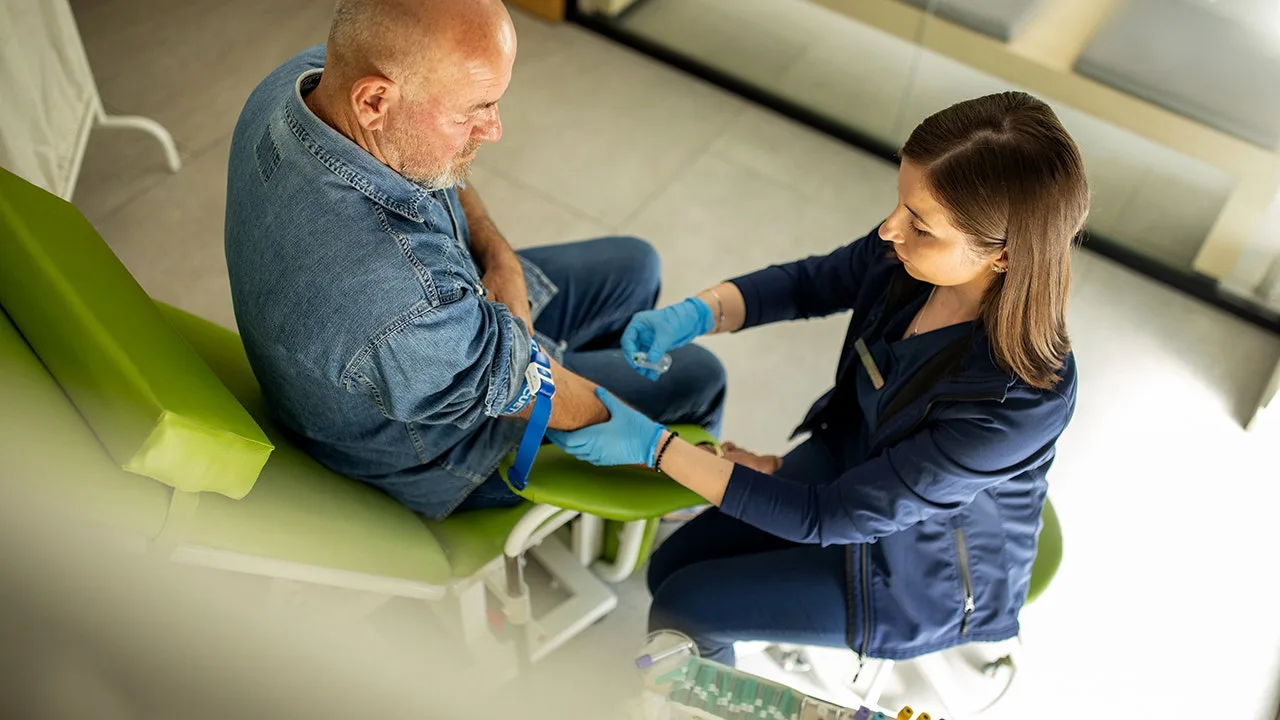
Scientists have introduced blood tests, including an at-home finger prick version, that may help predict a person’s risk of developing Alzheimer’s disease before symptoms manifest. These tests measure biomarkers such as p-tau217 and may be used alongside cognitive assessments.
Why It Matters
Early identification of Alzheimer’s risk could allow for earlier interventions and planning, potentially improving patient outcomes. However, experts emphasize that these tests require further validation before routine clinical use.
What's Next
Additional studies and validation are expected to determine the accuracy and reliability of these blood tests. Regulatory review and broader clinical trials may follow before widespread adoption.
Sources
Confirmed by 2 independent sources
- Fox NewsRight1d agoAlzheimer's blood tests may predict symptoms years in advance, but experts urge caution
- The IndependentLeft7h agoScientists unveil Alzheimer’s finger prick test to predict risk of disease
- The IndependentLeft6h agoNew at-home test could ‘revolutionise’ Alzheimer’s diagnosis