Protests and Blockades Paralyze Bolivia’s Political Capital Amid Economic Crisis
1-Minute Brief
The unrest in Bolivia highlights growing public dissatisfaction with the government’s handling of the country’s economic challenges.
Key Facts
- Bolivia's President Rodrigo Paz is facing widespread protests and blockades less than six months after taking office.
- Thousands of protesters in La Paz are demanding the president’s resignation, according to Al Jazeera.
- Bolivia is experiencing what Al Jazeera describes as its worst economic crisis in 40 years, fueling the unrest.
- Miners and unions are leading the protests and blockades that have paralyzed the political capital.
- The blockades and demonstrations have left the capital under siege, according to NPR News.
What Happened
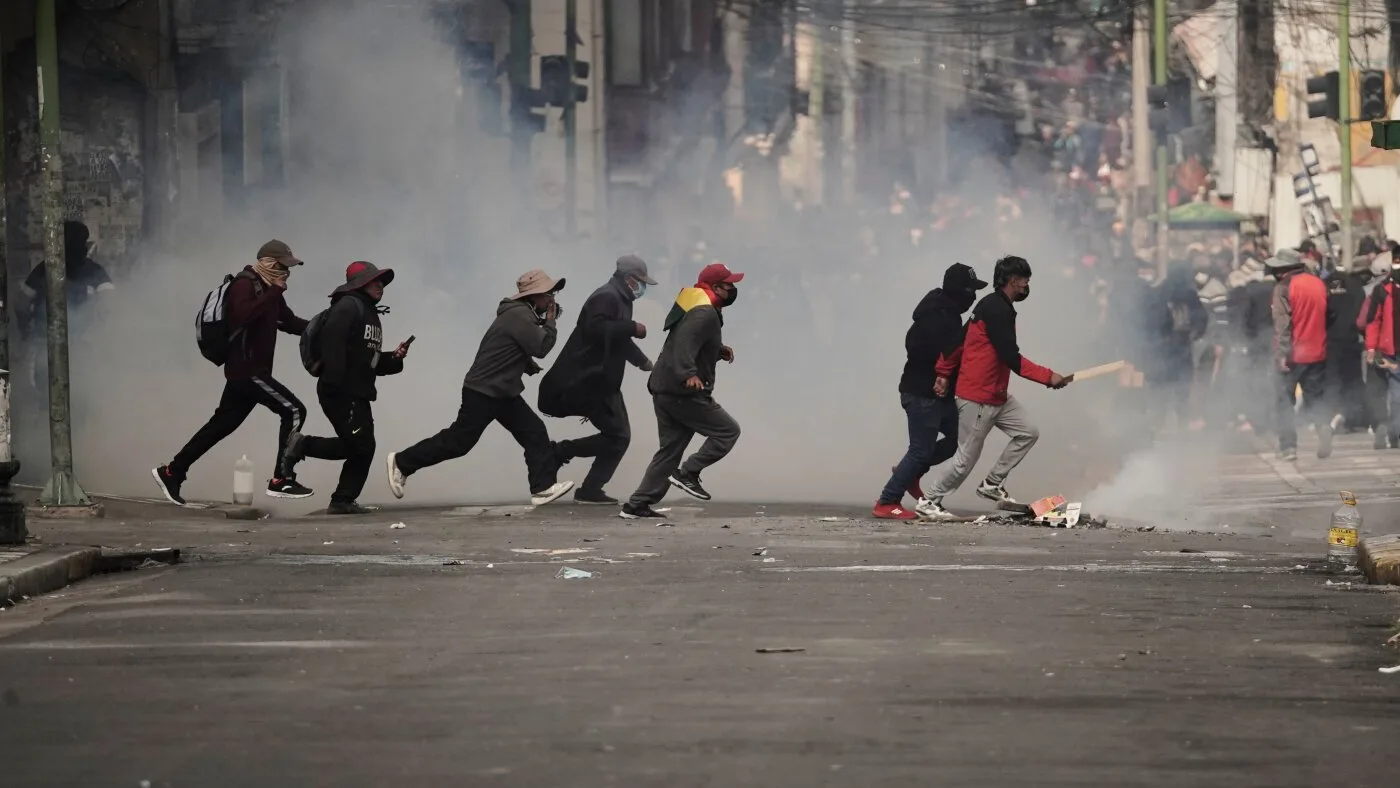
Mass protests and road blockades led by miners and unions have paralyzed Bolivia’s political capital, with demonstrators demanding President Rodrigo Paz’s resignation amid a severe economic crisis.
Why It Matters
The situation poses a significant challenge to the stability of President Paz’s administration and reflects deepening public frustration over economic conditions, potentially impacting governance and public order.
What's Next
Observers are watching for potential government responses to the protests and whether the unrest will escalate or lead to political negotiations.
Sources
Confirmed by 3 independent sources
- NPR NewsCenter45m agoBolivia's capital under siege as protests deepen crisis for President Paz
- The IndependentLeft10h agoPhotos of mass protests and road blockades choking the Bolivian capital
- Al JazeeraLeft9h agoThousands of protesters demand president’s resignation in Bolivia’s La Paz