One Year After 'Liberation Day,' Debate Continues Over Impact of Trump Tariffs
1-Minute Brief
The anniversary of President Trump's tariffs has sparked renewed debate among economists and investors about their effects on the U.S. and global e...
Key Facts
- Global investors are reconsidering the idea of U.S. exceptionalism, with some saying it is no longer automatic.
- The Trump administration is preparing to introduce a tiered system for steel and aluminum import tariffs.
- U.S. tariffs remain at their highest rate in decades, affecting a broad range of imported goods.
- Economists remain divided over whether the tariffs have achieved their intended economic benefits.
- Some reports indicate that consumers are facing higher prices on imported goods, such as wine, due to the tariffs.
What Happened
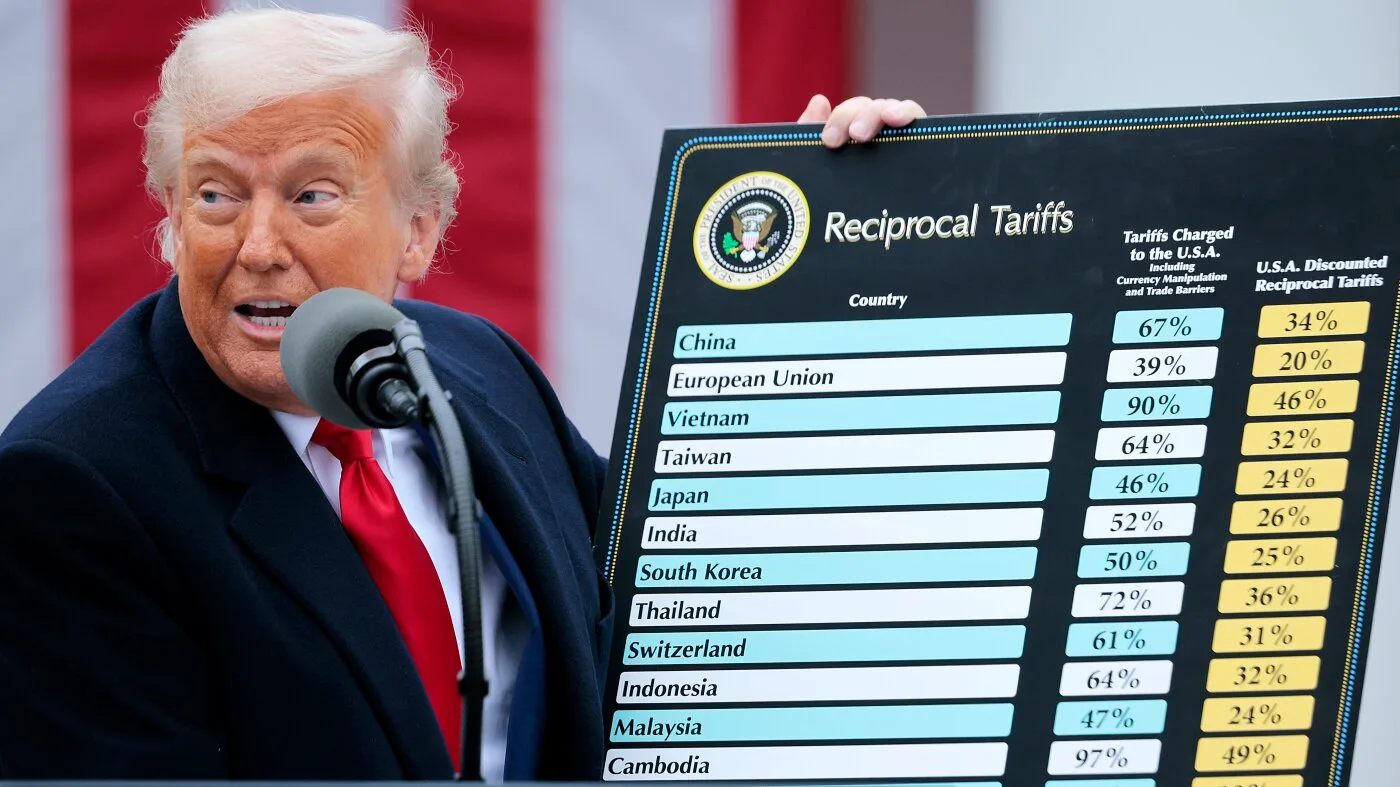
One year after President Trump announced double-digit tariffs on imports, the administration is preparing to roll out a tiered system for steel and aluminum tariffs. The economic impact and effectiveness of these measures remain subjects of debate.
Why It Matters
The tariffs have influenced global trade dynamics, affected consumer prices, and prompted investors to reassess the U.S. economic outlook. Ongoing debate highlights uncertainty about the long-term consequences for both the U.S. and global economies. Economists and analysts remain split on the overall economic impact and effectiveness of the tariffs.
What's Next
The administration's planned tiered tariff system is expected to be outlined soon. Observers are watching for further policy adjustments and continued analysis of the tariffs' economic effects.
Sources
Confirmed by 6 independent sources
- CNBCCenter3h agoOne year on from Trump's 'liberation day,' global investors are rethinking American exceptionalism
- NPR NewsCenter7h agoHave Trump's tariffs worked? This is where things stand a year after 'Liberation Day'
- Bloomberg MarketsCenter5h agoUS Preps Roll Out of Tiered Steel, Aluminum Import Tariffs