Oil Flows Through Hormuz Surge as U.S. Pauses Iranian Sanctions for 60 Days
1-Minute Brief
Increased Gulf oil exports and a U.S. sanctions pause on Iranian crude are impacting global oil prices and supply dynamics.
Key Facts
- The Strait of Hormuz is seeing the fastest oil flow since the Iran war began, despite Iranian claims of closure and reports of vessel harassment.
- U.S. oil production is projected to grow only modestly next year as companies remain cautious amid market uncertainty.
- U.S. oil producers have not significantly increased exports to capture Gulf market share, according to reports.
- The U.S. Treasury Department has issued a 60-day license allowing Iranian oil sales.
- Oil prices have fallen below $74 a barrel amid expectations of increased Iranian crude supply.
What Happened
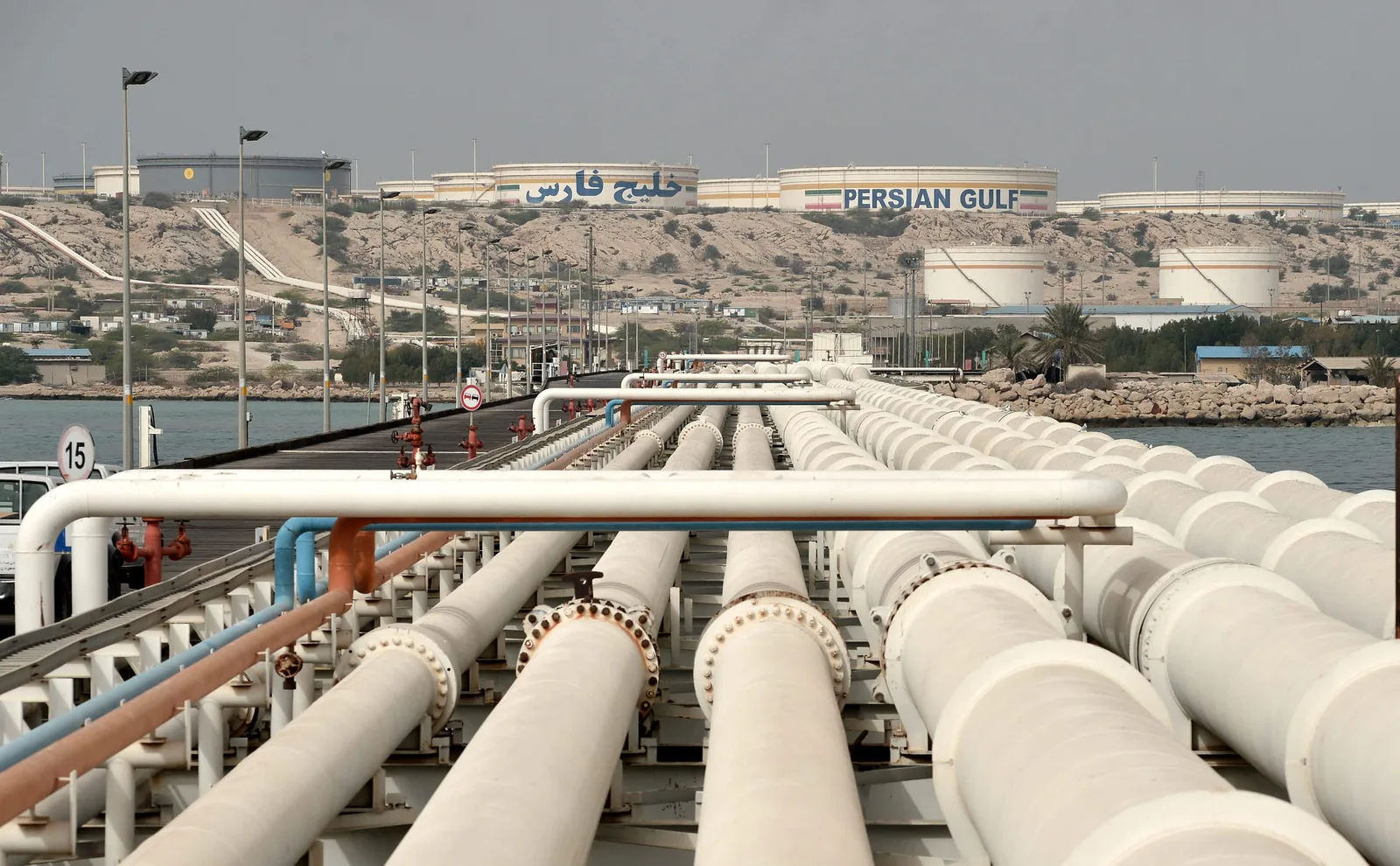
Oil shipments through the Strait of Hormuz have surged, coinciding with a 60-day U.S. pause on Iranian oil sanctions. This has contributed to a drop in oil prices and shifting market expectations.
Why It Matters
The increased flow of Gulf oil and the temporary easing of U.S. sanctions on Iran are affecting global energy markets, potentially easing supply concerns and lowering fuel costs for consumers.
What's Next
Observers are watching for further changes in oil prices, the response of U.S. producers, and whether the cease-fire and sanctions pause will be extended or altered.
Sources
Confirmed by 5 independent sources
- Bloomberg MarketsCenter8h agoGulf Oil Floods Through Hormuz at Fastest Pace Since War Began
- CNBCCenter8h agoTreasury Department authorizes Iranian oil sales under 60-day license
- NYTLeft7h agoU.S. Oil Is Skipping the Chance to Grab Market Share From the Gulf