NHS Issues New Guidance on Polyendocrine Metabolic Ovarian Syndrome Screening
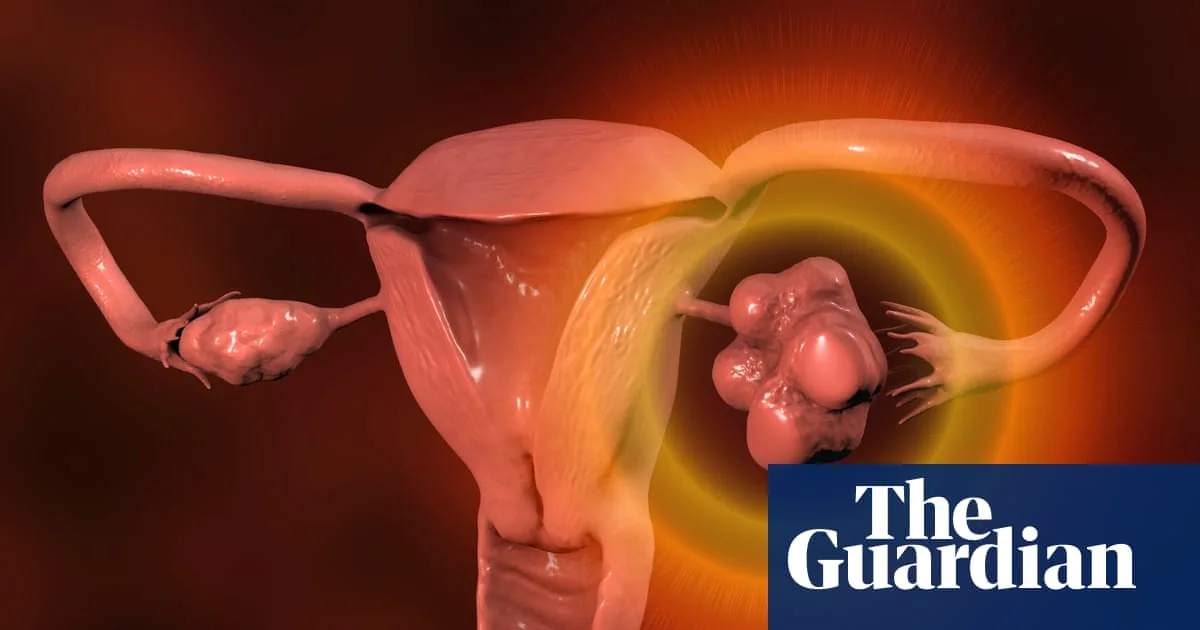
1-Minute Brief
The updated NHS guidance aims to address underdiagnosis and inconsistent management of PMOS among women with irregular periods.
Key Facts
- Up to 4 million women with irregular periods should be investigated for polyendocrine metabolic ovarian syndrome, according to new NHS guidance.
- PMOS was previously known as polycystic ovarian syndrome.
- The World Health Organization estimates PMOS affects up to 13% of women of reproductive age.
- Nice recommends women with PMOS be seen yearly by health officials to monitor symptoms and treatment.
- PMOS is described as underdiagnosed and inconsistently managed in the UK.
What Happened
The NHS has issued updated guidance recommending that women with irregular periods be checked for polyendocrine metabolic ovarian syndrome (PMOS), with annual reviews suggested for those diagnosed.
Why It Matters
The guidance seeks to improve detection and management of a condition affecting millions, which has previously been underdiagnosed and inconsistently treated, potentially improving health outcomes for women.
What's Next
Implementation of the new guidance may lead to increased screening and regular monitoring for women at risk or diagnosed with PMOS. Further updates may follow as the impact of these measures is assessed.
Sources
Confirmed by 2 independent sources
- The GuardianLeft50m agoWomen with irregular periods should be checked for PMOS, NHS says
- The IndependentLeft40m agoThe ‘common but overlooked’ condition that millions of UK women will now be reviewed for