Recent Discoveries and Debates Reshape Understanding of America's Founding Figures
1-Minute Brief
New research and public discussions are prompting reassessment of the Founding Fathers' legacies and early Black legislators' roles in U.S. history.
Key Facts
- DNA testing, archaeology, and archival research have provided new insights into figures such as Jefferson and Washington.
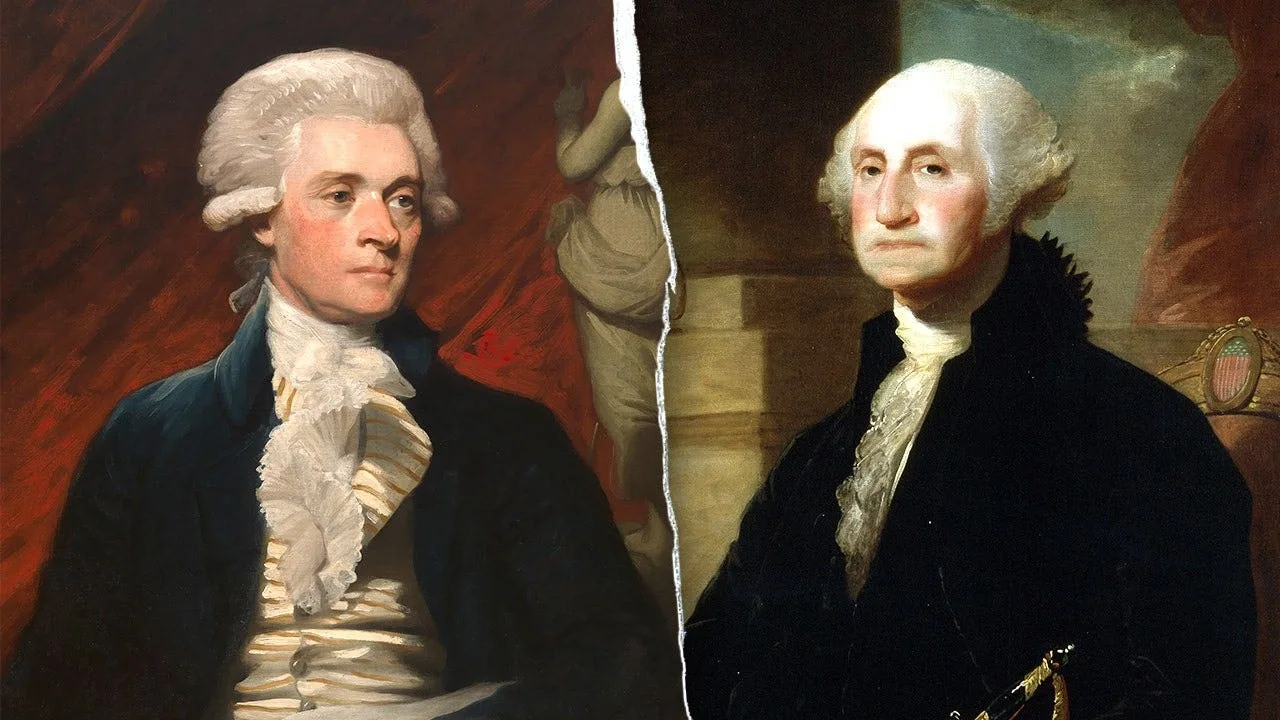
- Thomas Jefferson's legacy is under renewed scrutiny, with attention to his authorship of 'all men are created equal' and his status as a lifelong slaveholder.
- Historians' knowledge of America's Founding Fathers has been reshaped by recent discoveries.
- Alfred Richardson and Madison Davis were elected as the first Black legislators in Athens, Ga., in 1868.
- Backlash against early Black legislators, such as Richardson and Davis, continues to have reverberations today.
What Happened
Recent discoveries from scientific and archival research have led historians and the public to reexamine the lives and legacies of America's Founding Fathers and early Black legislators, including Thomas Jefferson, Alfred Richardson, and Madison Davis.
Why It Matters
These developments influence how American history is taught and understood, highlighting complexities in the nation's founding and the ongoing impact of early political representation and exclusion.
What's Next
Further research and public debate are expected as America approaches its 250th birthday, with continued efforts to revive the legacies of underrecognized historical figures.
Sources
Confirmed by 3 independent sources
- Fox NewsRight1h agoDiscoveries that reshaped what historians knew about America's Founding Fathers
- NPR NewsCenter5h agoAmerica's first Black legislators and the work to revive their legacies
- The IndependentLeft5h agoThomas Jefferson’s legacy faces a new reckoning as America approaches its 250th birthday