NASA Launches Nancy Grace Roman Space Telescope to Study Dark Universe
1-Minute Brief
The Roman Space Telescope aims to advance understanding of dark energy, dark matter, and exoplanets through wide-field astronomical surveys.
Key Facts
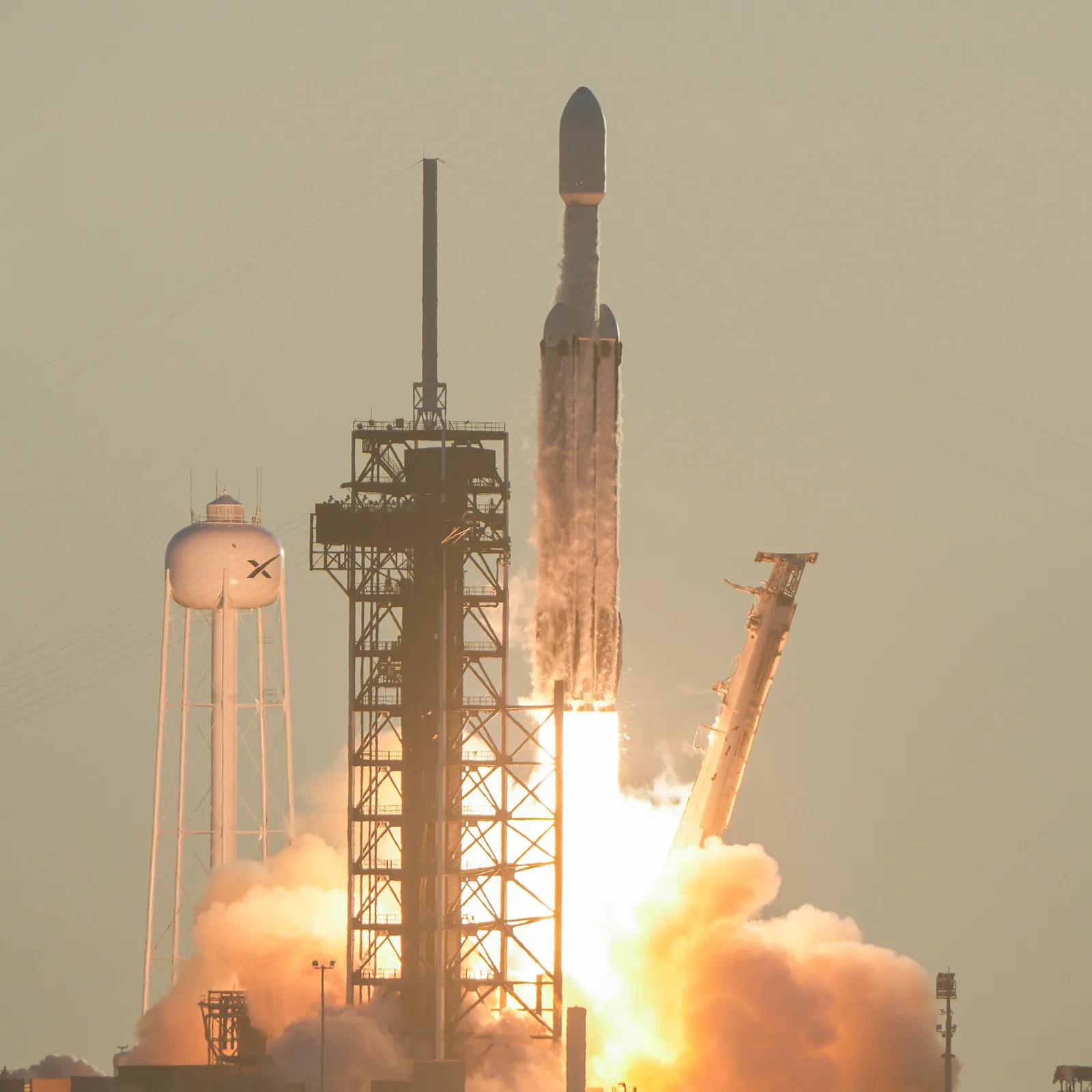
- NASA’s Nancy Grace Roman Space Telescope launched aboard a SpaceX Falcon Heavy rocket.
- The telescope is traveling to Lagrange point 2, about 1 million miles from Earth.
- Roman’s wide field of view will enable surveys of billions of galaxies more rapidly than Hubble.
- Astronomers plan to use Roman’s data to study dark energy, dark matter, and search for new worlds.
- Ross Hami, Space Network Co-Founder and COO, joined Bloomberg This Weekend to discuss the launch.
What Happened
NASA launched the Nancy Grace Roman Space Telescope on a SpaceX Falcon Heavy rocket. The telescope is en route to Lagrange point 2 to begin its mission.
Why It Matters
The Roman Telescope is designed to provide new insights into fundamental cosmic mysteries, potentially transforming understanding of the universe’s composition and the existence of planets beyond our solar system.
What's Next
Scientists will analyze data from Roman’s wide-field surveys to investigate dark energy, dark matter, and exoplanets. The telescope is expected to begin observations after reaching its destination.
Sources
Confirmed by 2 independent sources
- Bloomberg MarketsCenter3h agoNASA’s Roman Telescope Takes Aim at Cosmic Mysteries
- NYTLeft1h agoNASA’s Nancy Grace Roman Telescope Leaves Earth to Chart the Stars