NASA and Boeing Criticized for Starliner Mission Delays Leaving Astronauts in Orbit
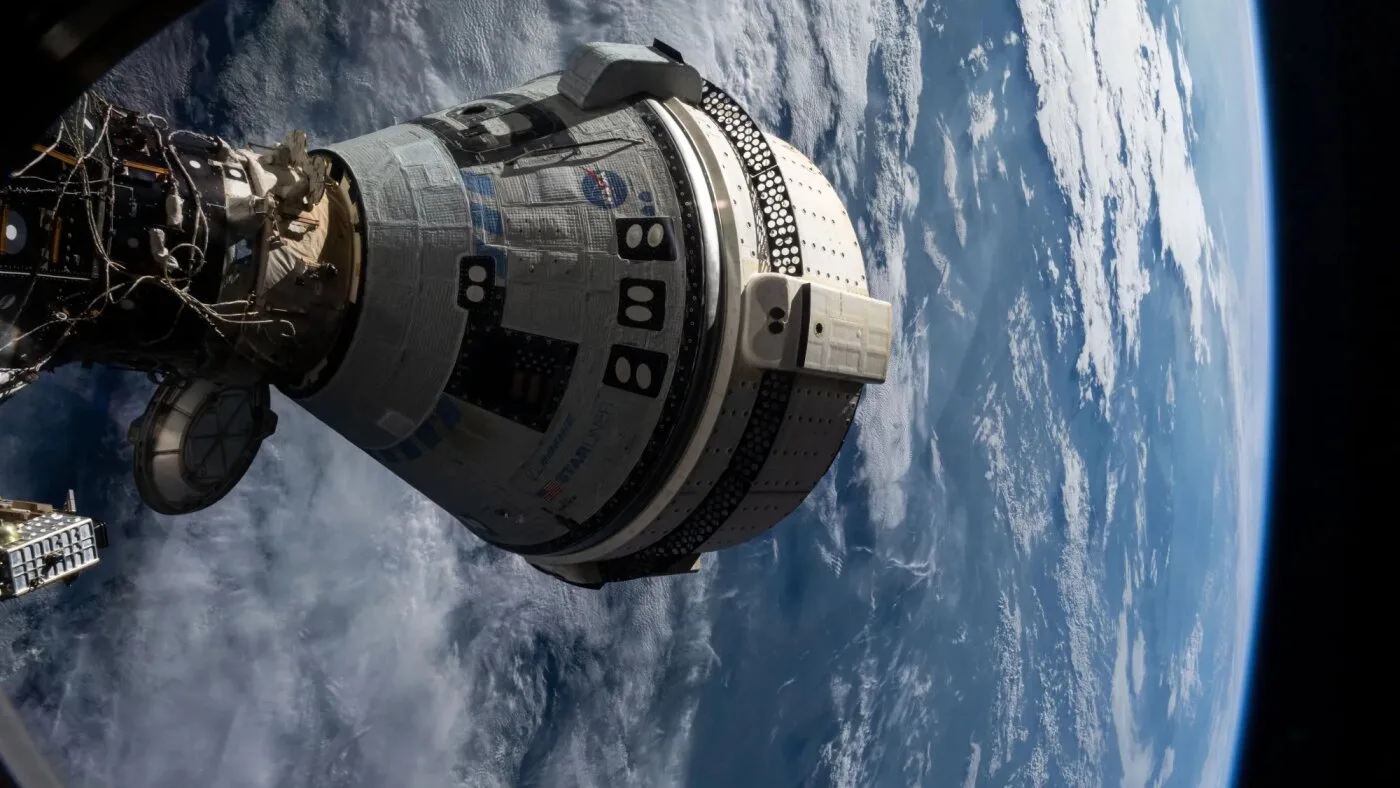
1-Minute Brief
Technical and oversight issues extended two astronauts' stay on ISS from days to months.
Key Facts
- Astronauts Barry 'Butch' Wilmore and Sunita Williams were expected to spend 8 to 10 days in space
- The astronauts remained in orbit for 286 days due to Starliner spacecraft issues
- NASA's new chief criticized both Boeing and NASA for failures in the Starliner mission
- Technical and oversight problems were identified as causes for the mission's extended duration
- The Starliner spacecraft was deemed unsafe to return its crew from the International Space Station
What Happened
Two astronauts aboard the International Space Station were scheduled for an 8 to 10-day mission using Boeing's Starliner spacecraft. Due to technical and oversight problems, the spacecraft was considered unsafe for return, resulting in the astronauts remaining in orbit for 286 days. NASA's new chief publicly criticized both Boeing and NASA for the mission's failures.
Why It Matters
The extended mission highlights challenges in spacecraft safety and project oversight, raising concerns about future crewed missions. Accountability from both NASA and Boeing may influence operational and management changes to prevent similar delays. The incident underscores the importance of reliable spacecraft systems for astronaut safety and mission planning.
Sources
Confirmed by 3 independent sources