Moss Analysis Aids Conviction in Illinois Cemetery Grave Robbing Case
1-Minute Brief
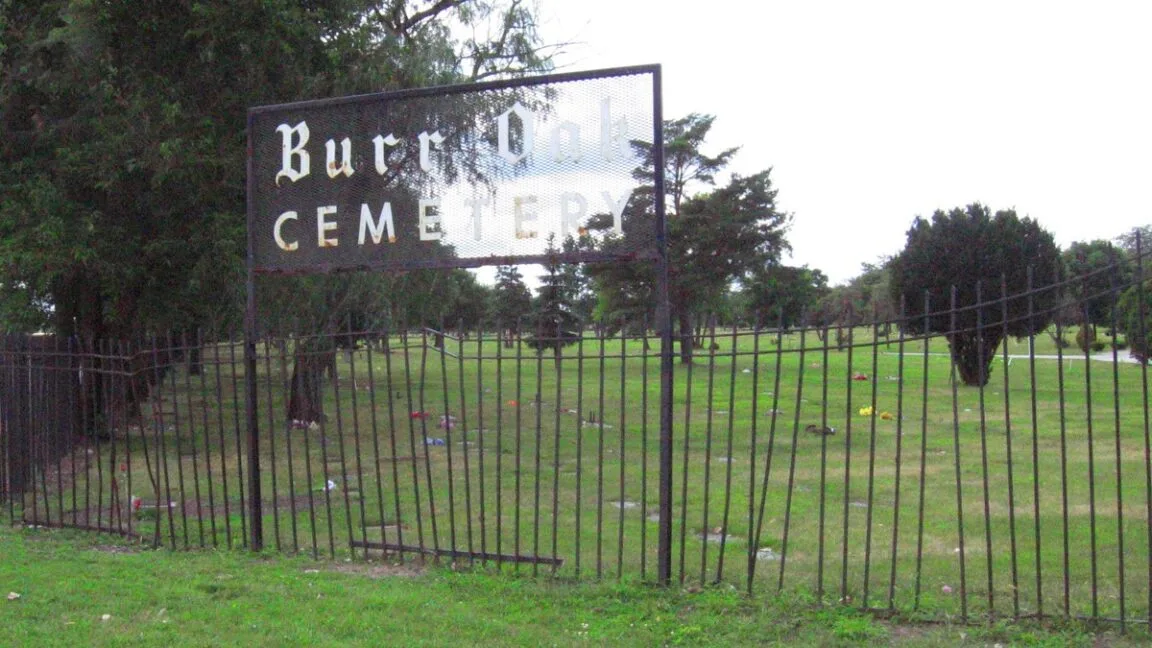
Moss evidence helped prove recent grave disturbances at Burr Oak Cemetery, leading to convictions.
Key Facts
- Burr Oak Cemetery in Illinois is the burial site of Emmett Till and Willie Dixon
- Workers were accused of digging up graves and reselling burial plots at Burr Oak Cemetery
- Scientists identified moss found on remains and analyzed its chlorophyll to estimate its age
- The moss analysis showed the remains had been moved recently, supporting the investigation
- This evidence helped secure convictions against those involved in the cemetery scandal
What Happened
At Burr Oak Cemetery, workers allegedly exhumed graves and resold plots. Scientists used moss identification and chlorophyll aging techniques to prove the remains had been disturbed recently, providing key evidence that contributed to convictions.
Why It Matters
The case highlights how scientific methods can assist legal investigations in cemetery crimes, protecting historical burial sites and maintaining public trust in cemetery management.
What's Next
Authorities may apply similar scientific techniques in other investigations of cemetery disturbances, and Burr Oak Cemetery's management practices could face increased scrutiny to prevent future incidents.
Sources
Confirmed by 2 independent sources
- Ars TechnicaUnknown16h agoHow moss helped convict grave robbers of a Chicago cemetery
- ScienceDailyUnknown9h agoTiny clump of moss helped solve a shocking cemetery crime