Lindsay Clancy Trial Ends in Mistrial After Jurors Fail to Reach Verdict
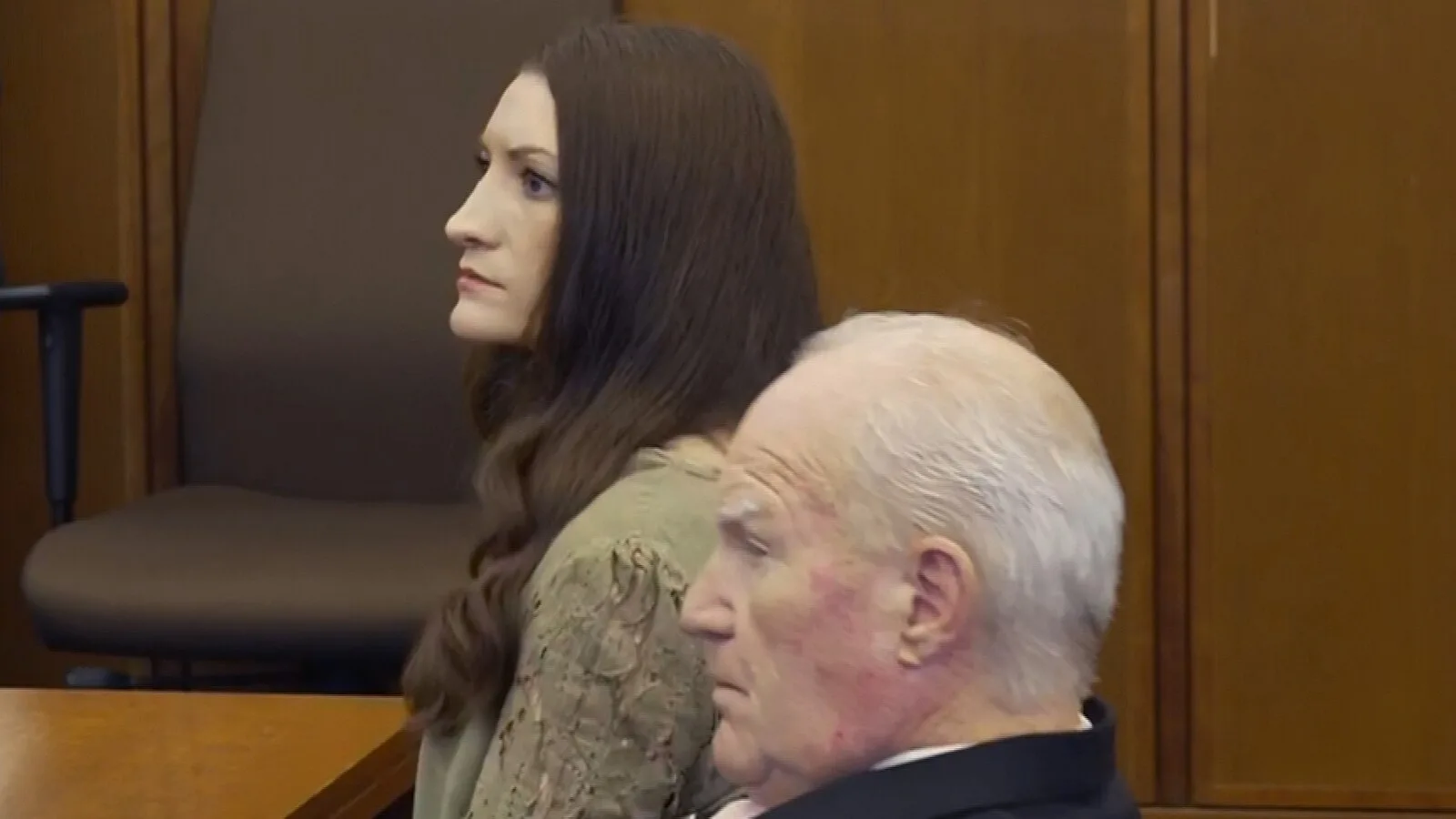
1-Minute Brief
The mistrial highlights ongoing debates over mental health defenses and jury deliberation challenges in high-profile criminal cases.
Key Facts
- Jurors in the Lindsay Clancy trial were unable to reach a unanimous verdict after seven days of deliberation.
- Clancy's defense team argued she experienced a psychotic episode, while prosecutors alleged she plotted to poison her husband.
- A fellow juror reported that the lone holdout reenacted the alleged strangulation using an exercise band and water bottle during deliberations.
- Clancy's attorney requested the judge issue a 'not guilty' finding following the mistrial.
- The trial ended in a mistrial, as confirmed by multiple sources.
What Happened
The trial of Lindsay Clancy ended in a mistrial after jurors could not reach a unanimous decision. The case involved conflicting arguments about Clancy's mental state and alleged actions.
Why It Matters
This case draws attention to the complexities of mental health defenses in criminal trials and the difficulties juries face in reaching consensus on such issues.
What's Next
It remains to be seen whether prosecutors will seek a retrial or pursue alternative legal actions. The judge will consider the defense's request for a 'not guilty' finding.
Sources
Confirmed by 2 independent sources
- Fox NewsRight5h agoLone holdout in Lindsay Clancy trial demonstrated the killings during deliberations, fellow juror says
- ABC NewsLeft31m agoLindsay Clancy's attorney asks judge to force 'not guilty' finding
- Fox NewsRight1h agoLindsay Clancy fixation and alleged plot to poison husband emerge as accused mom claims psychosis