May Day Protests and Demonstrations Take Place Worldwide Highlighting Worker Concerns
1-Minute Brief
May Day events draw global attention to labor rights, economic hardship, and calls for stronger worker protections.
Key Facts
- May Day, also known as International Workers’ Day or Labor Day, is marked by demonstrations in many countries.
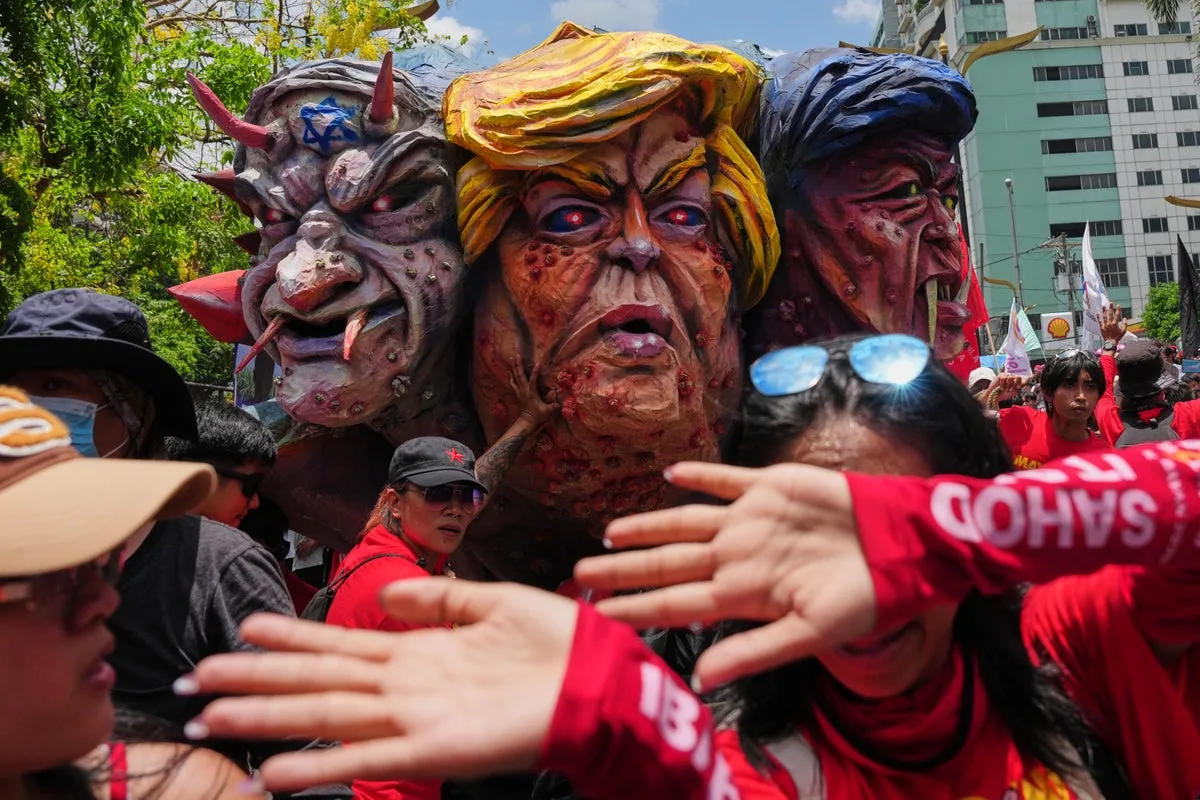
- Large marches and protests occurred across Asia, with participants citing rising energy costs and shrinking purchasing power.
- Thousands of people are calling for stronger labor protections, higher wages, and greater equality in various regions.
- In Gaza, workers face high unemployment and hazardous jobs amid ongoing economic collapse.
- Some protest organizers in the United States are urging a boycott of work, school, and shopping to protest government policies.
What Happened
Demonstrations and marches took place around the world on May Day, with workers and activists highlighting economic challenges and labor rights issues. Events ranged from large protests in Asia to calls for boycotts in the United States.
Why It Matters
These coordinated actions reflect widespread concerns about economic instability, labor conditions, and government policies affecting workers. The events underscore ongoing debates over wages, job security, and social protections.
What's Next
Observers are monitoring whether these demonstrations will influence policy discussions or result in changes to labor laws and worker protections in various countries.
Sources
Confirmed by 3 independent sources
- The IndependentLeft2h agoWhat is May Day and why are protests taking place around the world?
- Al JazeeraLeft3h agoOn May Day, Gaza’s workers find whatever source of income they can
- The IndependentLeft2h agoWorkers around the world demonstrate on May Day, in photos