Low Danube Water Levels Reveal WWII Bombs and Disrupt River Navigation
1-Minute Brief
Falling Danube water levels due to extreme heat are exposing WWII-era hazards, impacting safety and regional economies.
Key Facts
- The Danube River's water levels have dropped, exposing sunken German World War II vessels and other hazards.
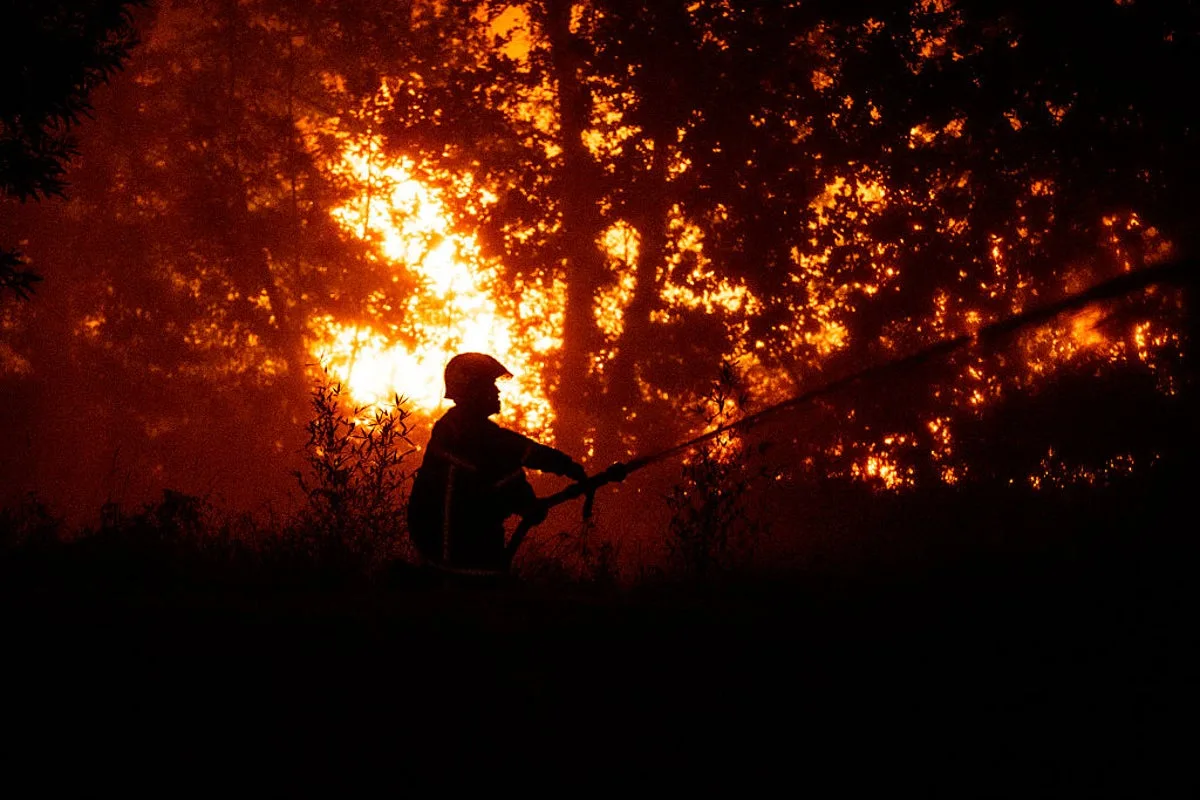
- Unexploded WWII bombs are being exposed by wildfires and heat, posing risks of detonation if overheated.
- Hungary is experiencing economic impacts from drought and a potential lengthy nuclear production outage.
- The exposed WWII vessels are impeding navigation on the Danube River.
- Prime Minister Peter Magyar described the situation as a “dramatic” economic impact for Hungary.
What Happened
Extreme heat and drought have caused the Danube River's water levels to fall, revealing WWII-era vessels and unexploded bombs. These hazards have disrupted navigation and raised safety concerns in the region.
Why It Matters
The exposure of wartime remnants increases the risk of accidental detonations and disrupts critical river transport. Economic impacts are compounded by drought and energy production challenges in Hungary.
What's Next
Authorities may need to remove or neutralize exposed ordnance and address navigation hazards. Ongoing drought and energy issues could further affect regional stability and economies.
Sources
Confirmed by 3 independent sources
- Bloomberg MarketsCenter3h agoHungary Warns of Dramatic Hit From Drought, Nuclear Outage
- NYTLeft3h agoA Drying Danube River Reveals Nazi-Era Vessels, and Hazards of Heat
- The IndependentLeft2h agoEurope’s wildfires are exposing a hidden danger: unexploded WWII bombs