Lebanon-Israel Agreement Sparks Protests and Rejection by Hezbollah Leader
1-Minute Brief
The agreement has intensified divisions within Lebanon and raised concerns among legal experts and political groups about its broader implications.
Key Facts
- Supporters of the deal in Lebanon see it as a way to reduce Iranian influence, while opponents protested in Beirut, calling it a capitulation.
- Hezbollah's leader publicly rejected the U.S.-Israel-brokered ceasefire, citing the requirement for Hezbollah to disarm.
- The deal has led to street protests and political debate in Beirut, reflecting deep divisions among Lebanese factions.
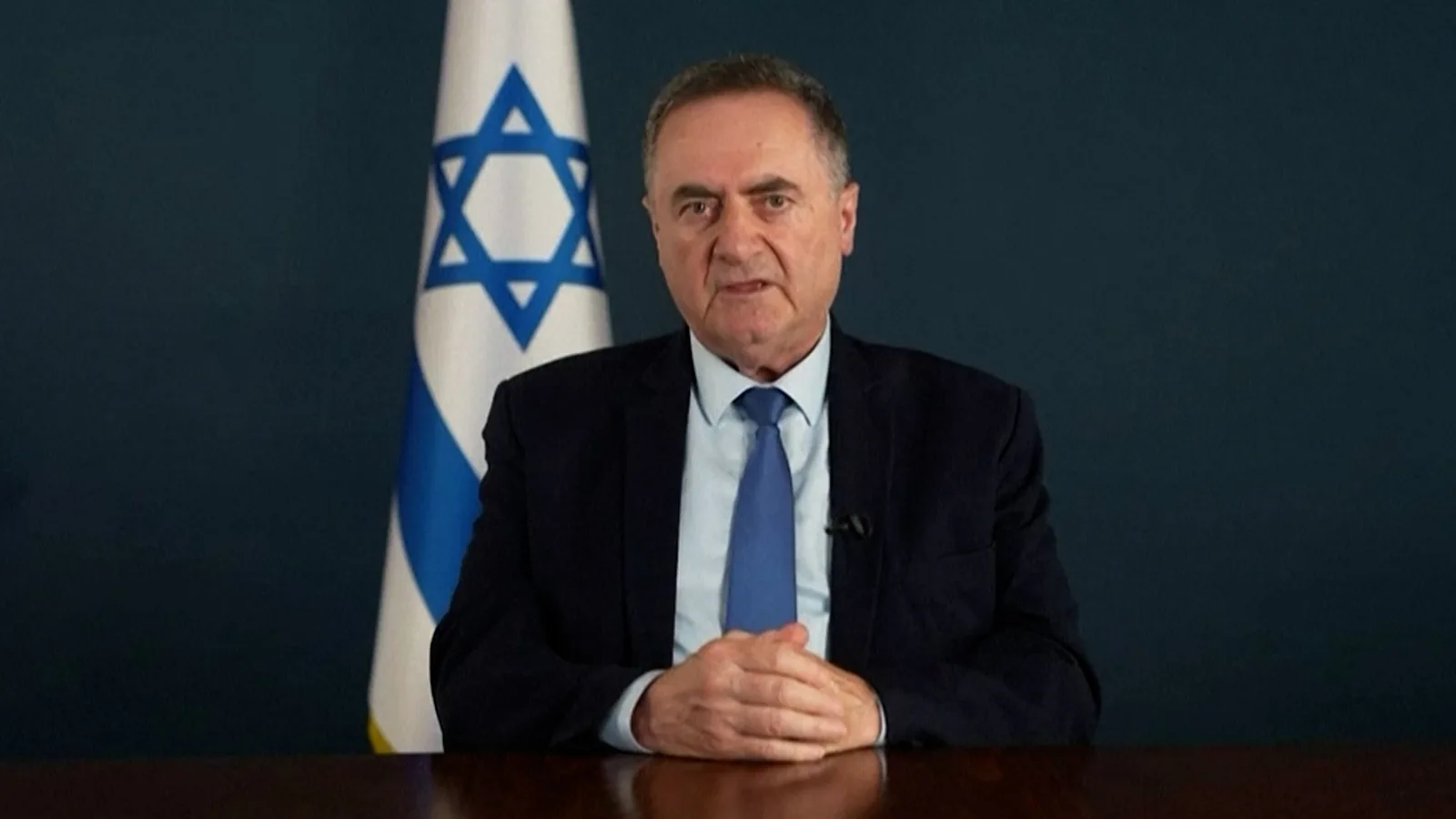
- Israel's defense minister ordered the military to prepare for an 'extended stay' in Lebanon following the agreement.
- Legal experts warned the agreement could prevent victims of alleged Israeli war crimes in Lebanon from seeking justice through the International Criminal Court.
What Happened
Lebanon and Israel signed a 14-point framework agreement in Washington aimed at ending fighting, but the deal has sparked protests in Beirut and was rejected by Hezbollah's leader.
Why It Matters
The agreement has significant political and legal ramifications, affecting Lebanon's internal dynamics, prospects for accountability for alleged war crimes, and the potential for further military engagement.
What's Next
Observers are watching for further protests in Lebanon, Hezbollah's response, and how the agreement will impact military deployments and legal proceedings.
Sources
Confirmed by 4 independent sources
- NYTLeft11h agoDeal With Israel Divides Lebanese, Fueling Protests in Beirut
- Al JazeeraLeft5h agoIsrael orders troops to prepare for ‘extended stay’ in Lebanon
- CBS NewsLeft49m agoHezbollah's leader rejects U.S.-Israeli brokered ceasefire