Iran and Israel Exchange Strikes as Civilian, Economic, and Political Impacts Mount
1-Minute Brief
Iran and Israel have launched strikes against each other and Gulf states, causing civilian casualties and global economic effects.
Key Facts
- Iran and Israel have exchanged strikes, with Israeli attacks targeting oil facilities in Tehran and Iran launching attacks on Israel and Gulf states.
- Pakistan has implemented austerity measures, including a four-day workweek for government employees, in response to the oil crisis triggered by the conflict.
- Democratic senators in the US have filed new war powers resolutions and called for public hearings regarding US involvement in the hostilities.
- Australia is expected to see increased government revenue from higher LNG and coal export prices due to the conflict, while households face higher gasoline costs.
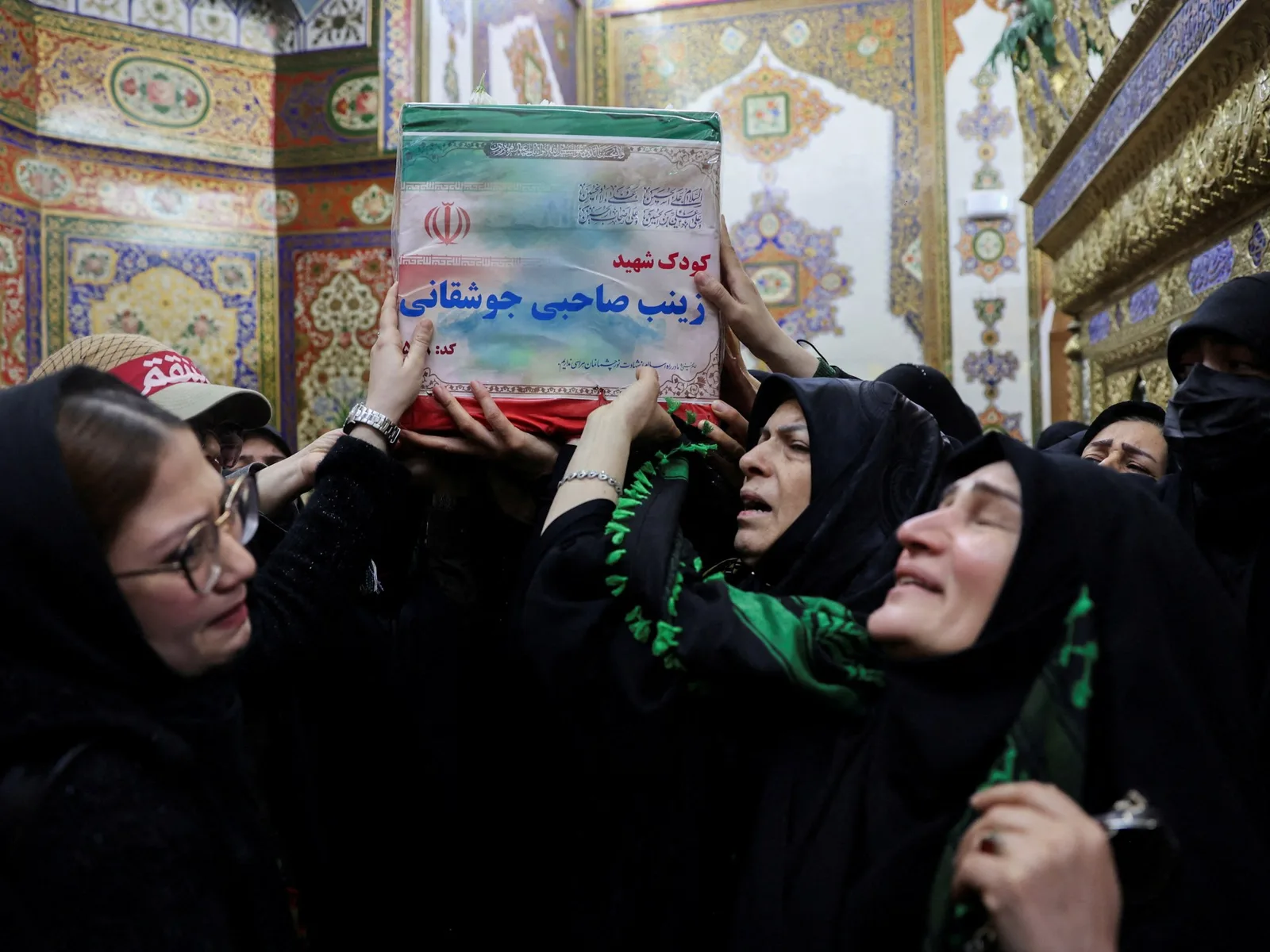
- Iran claims that US and Israeli strikes have hit nearly 10,000 civilian sites and caused more than 1,300 deaths across the country.
What Happened
A series of military strikes have been exchanged between Iran, Israel, and Gulf states, impacting oil infrastructure and leading to civilian casualties and economic disruptions. Political responses are emerging in the US and other countries.
Why It Matters
The conflict has led to significant civilian harm, disrupted energy markets, and prompted political debate and economic measures in multiple countries. The situation is affecting global oil prices and international relations. Iran's claim of nearly 10,000 civilian sites hit and 1,300 deaths is reported by Iranian sources and not independently verified.
What's Next
Further military actions, political hearings, and economic responses are possible as the situation develops. Monitoring of civilian impacts and energy market volatility is ongoing.
Sources
Confirmed by 6 independent sources
- The GuardianLeft1d agoDemocrats file new war powers resolutions and call for public hearings on Iran strikes
- Bloomberg MarketsCenter1d agoAustralia to See Budget Gain, Household Hit in Iran War, BE Says
- Al JazeeraLeft16h agoPakistan orders sweeping austerity measures as Iran war triggers oil crisis