Iran War Prolongs Strait of Hormuz Blockade and Stalls Peace Negotiations
1-Minute Brief
The ongoing conflict has disrupted global energy flows and strained economies as diplomatic efforts to resolve the crisis remain stalled.
Key Facts
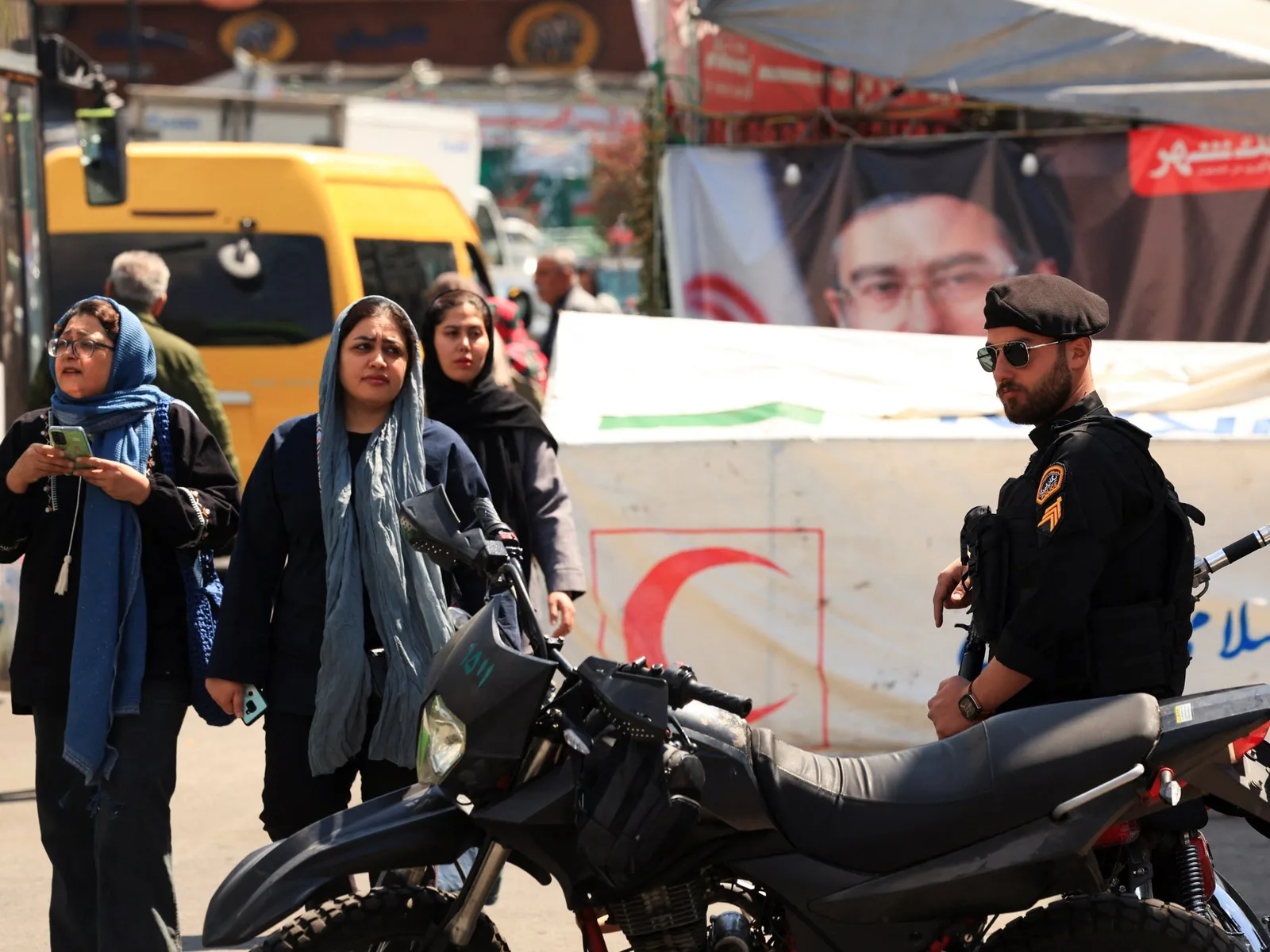
- Iran’s economy faces rising prices and job losses amid the war, according to Al Jazeera.
- Negotiations to end the war are stalled over Iran’s nuclear program and the status of the Strait of Hormuz.
- The Strait of Hormuz remains mostly shut, impacting international shipping and energy markets.
- US officials and lawmakers have debated military and diplomatic approaches to the conflict.
- Iran’s new Supreme Leader Mojtaba Khamenei has called for resistance in economic and cultural spheres.
What Happened
The war between Iran and a US-led coalition has led to a blockade of the Strait of Hormuz, with peace talks stalled over nuclear and maritime issues. Economic and political tensions continue to rise in the region.
Why It Matters
The closure of the Strait of Hormuz has disrupted a key global oil transit route, contributing to economic instability and inflation. The impasse in negotiations raises concerns about prolonged conflict and further economic fallout.
What's Next
Observers are watching for potential shifts in diplomatic negotiations and any changes to the blockade status. Economic impacts and political responses in affected countries will likely continue to develop.
Sources
Confirmed by 5 independent sources
- Al JazeeraLeft5h agoPrices surge, jobs disappear as war strains Iran’s economy
- NYTLeft13h agoHegseth’s and Moulton’s Parallel Lives Collide Over Iran
- NYTLeft6h agoWhat to Know About the Mideast Standoff