Iran and Oman Negotiate Potential Strait of Hormuz Transit Deal Amid Regional Tensions
1-Minute Brief
Negotiations over the Strait of Hormuz could impact global shipping, regional security, and U.S. interests in the Gulf.
Key Facts
- Iran and Oman are in ongoing talks regarding terms for transit through the Strait of Hormuz.
- Houthi attacks on Saudi-backed troops in Yemen have escalated, raising concerns of broader conflict.
- Sources indicate Iran aims to ban U.S. and Israeli ships from the Strait and may impose tolls on others.
- Analysts suggest the Iran-Oman deal may not address all U.S. concerns about Gulf security.
- Oil prices have risen as markets await the outcome of the potential Strait of Hormuz agreement.
What Happened
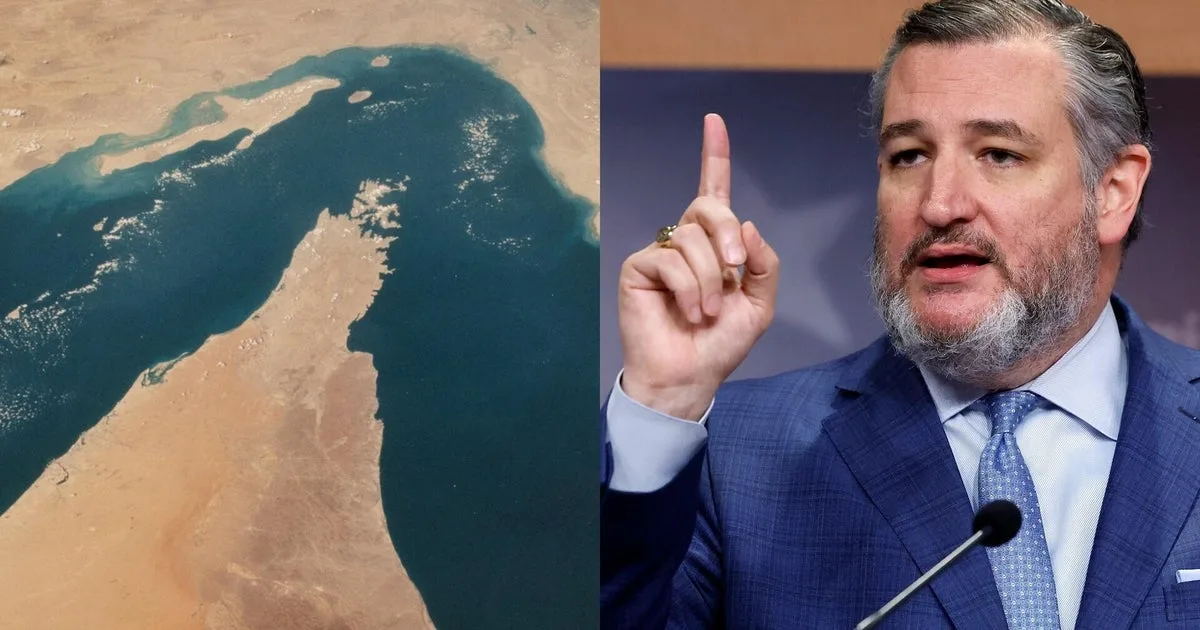
Iran and Oman are negotiating a potential agreement on transit through the Strait of Hormuz, while regional tensions persist due to conflict in Yemen and U.S.-Iran relations.
Why It Matters
The Strait of Hormuz is a critical chokepoint for global oil shipments. Changes to access or security arrangements could affect international trade, energy prices, and military dynamics in the region.
What's Next
Observers are watching for the outcome of the Iran-Oman negotiations, potential policy responses from the U.S., and further developments in Yemen that could influence regional stability.
Sources
Confirmed by 3 independent sources
- CBS NewsLeft1d agoDetails on Oman's potential Strait of Hormuz deal; Iranian prisoner describes poor conditions
- CBS NewsLeft1d agoExpert reacts to potential Iran-Oman Strait of Hormuz deal; Ted Cruz says U.S. needs to arm Iranians
- CBS NewsLeft1d agoIran War Updates: Houthis escalate deadly attacks on Saudi-backed troops as Cruz says Trump must arm Iran's protesters