Greenpeace Report Finds Over 100 Pesticides in Typical British Roast Dinner
1-Minute Brief
The findings raise concerns about food safety and regulatory differences between the UK and EU regarding pesticide use.
Key Facts
- A Greenpeace report found up to 102 different pesticides may be present in a typical English roast dinner.
- Some of the pesticides identified are banned in the EU due to toxicity for reproduction or carcinogenicity.
- Seven categories of vegetables and soft fruit, including carrots, peas, parsnips, potatoes, and strawberries, were examined in the report.
- The report states that seven of the pesticides found are banned in the EU.
- The study was published by Greenpeace and highlighted by both The Independent and The Guardian.
What Happened
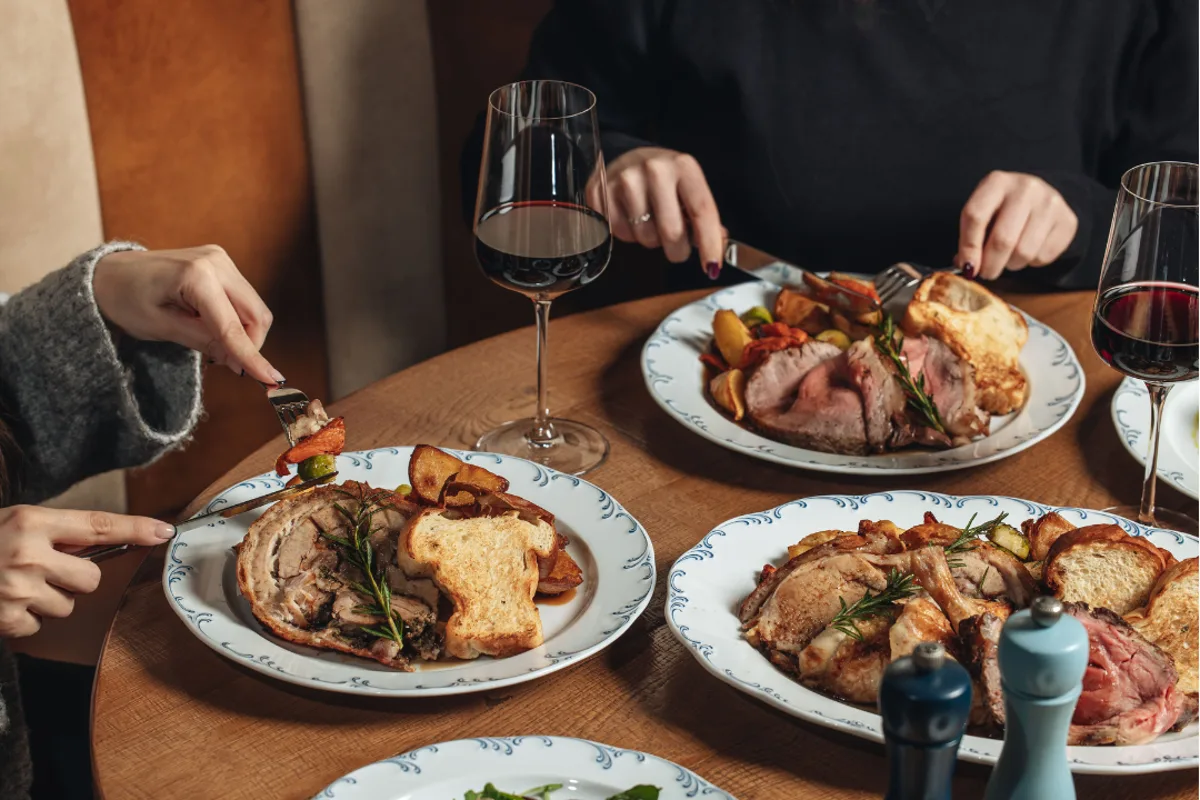
A Greenpeace report published on Thursday identified a mixture of more than 100 pesticides, including some banned in the EU, in foods commonly served in a British roast dinner.
Why It Matters
The report highlights potential health and regulatory concerns related to pesticide residues in commonly consumed foods in the UK, especially given differences with EU standards.
What's Next
Further discussion or investigation may occur regarding UK pesticide regulations and potential impacts on public health and food safety standards.
Sources
Confirmed by 2 independent sources
- The IndependentLeft50m agoBritish roast dinner hit with cocktail of more than 100 pesticides, Greenpeace warns
- The GuardianLeft50m agoTypical English roast dinner potentially ‘drenched’ in 102 pesticides, says report