Germany Plans Gradual Retirement Age Increase as Part of Pension Reform
1-Minute Brief
The proposed pension reform aims to address demographic pressures on Germany's retirement system by linking retirement age to life expectancy.
Key Facts
- An expert commission recommended gradually raising Germany’s retirement age to about 70 by the early 2090s.
- The recommendations were presented on Tuesday by a commission tasked with exploring pension reforms.
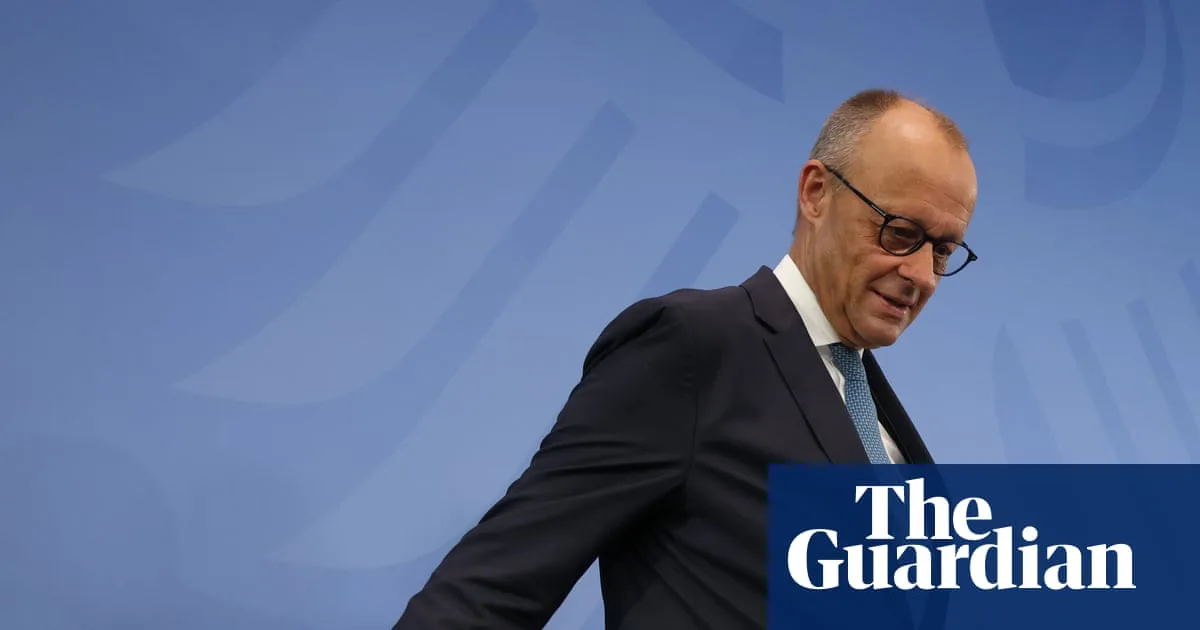
- German Chancellor Friedrich Merz has publicly backed the proposed changes.
- Merz stated that reforming the pension system is essential and that 'failure is not an option.'
- The reform proposal includes linking the retirement age to rising life expectancy.
What Happened
An expert commission presented recommendations to gradually raise Germany's retirement age, which Chancellor Friedrich Merz has endorsed as part of broader pension reforms.
Why It Matters
Germany faces demographic challenges with an ageing population, putting pressure on the sustainability of its pension system. The proposed reforms are intended to ensure long-term financial stability for future retirees.
What's Next
The government is expected to consider the commission's recommendations and begin the legislative process to implement pension reforms. Further political debate and public discussion are anticipated.
Sources
Confirmed by 2 independent sources
- The GuardianLeft11h agoMerz backs plans to raise Germany’s retirement age in pension reforms
- The IndependentLeft17h agoGermany's leader pledges to reform a creaking pension system and says 'failure is not an option'