Genetically Modified Cell Therapy Puts Lupus Patients in Remission in NHS Trial
1-Minute Brief
This development signals a potential new approach for treating chronic autoimmune diseases by harnessing patients' own immune systems.
Key Facts
- Five lupus patients in England are in remission after receiving genetically modified cell therapy.
- Patients on the trial have not needed medication to manage their condition.
- The therapy works by genetically modifying cells to help the immune system target problem cells.
- Doctors say the CAR T-cell therapy could offer a cure for chronic autoimmune disease.
- The treatment involves modifying T lymphocytes, a type of white blood cell.
What Happened
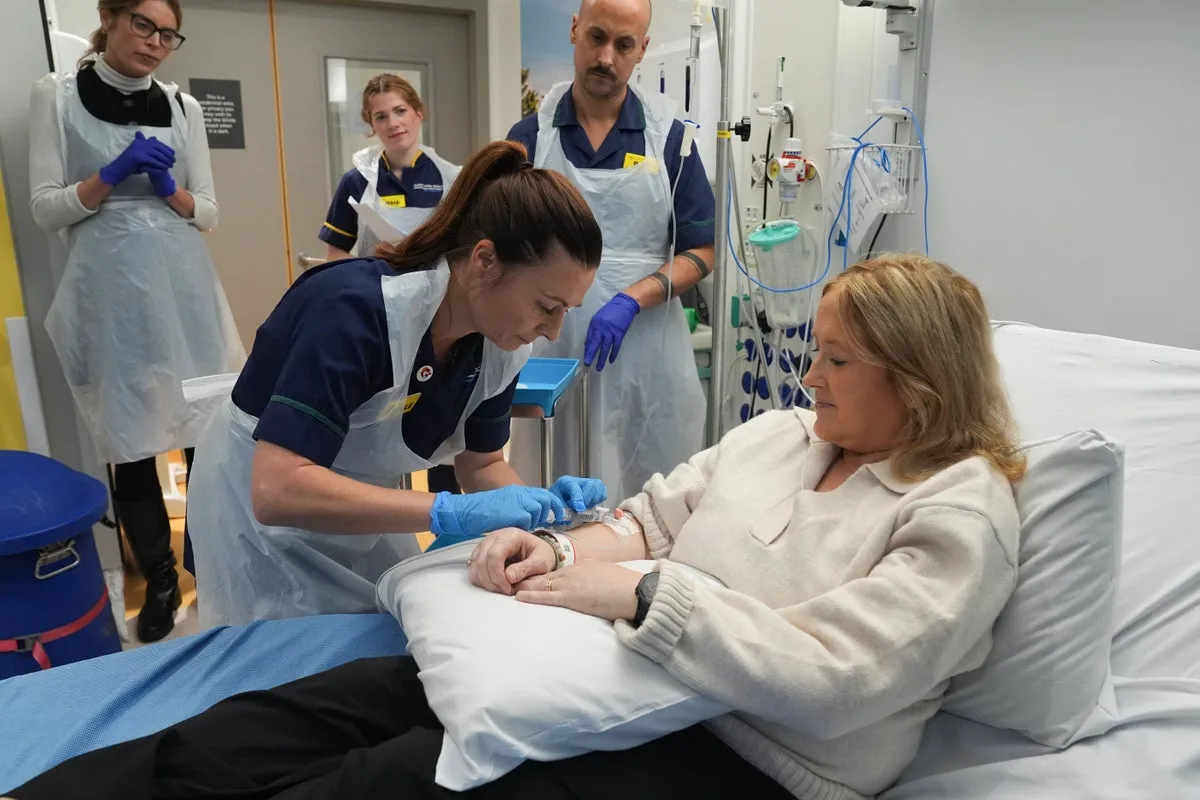
A pioneering NHS trial in England treated five lupus patients with CAR T-cell therapy, resulting in remission without ongoing medication.
Why It Matters
The results suggest that genetically modifying patients' immune cells may offer a new treatment option for lupus and potentially other autoimmune conditions.
What's Next
Further studies and trials may be conducted to determine the long-term effectiveness and safety of this therapy for a wider group of patients.
Sources
Confirmed by 3 independent sources
- The IndependentLeft1h agoGroundbreaking new NHS treatment sees patients go into remission
- The GuardianLeft1h agoLupus patients in England in remission after pioneering NHS trial of GM therapy
- BBC NewsCenter1h ago'I've never been this good' – revolutionary immune reset puts lupus in remission