Stadium Workers Near Los Angeles Authorize Strike Ahead of FIFA World Cup Opening Match
1-Minute Brief
The strike authorization highlights labor concerns as the U.S. prepares to host its opening World Cup match.
Key Facts
- Hospitality workers at Sofi Stadium near Los Angeles voted to authorize a strike days before the World Cup begins.
- Workers are demanding better pay, job protections from AI, and assurances against immigration enforcement at the venue.
- The strike vote comes as the stadium prepares to host the U.S. men's soccer team's opening match.
- The FIFA World Cup hosted across North America is projected to generate a record $11 billion in revenue.
- This World Cup will feature a record 104 matches over 39 days.
What Happened
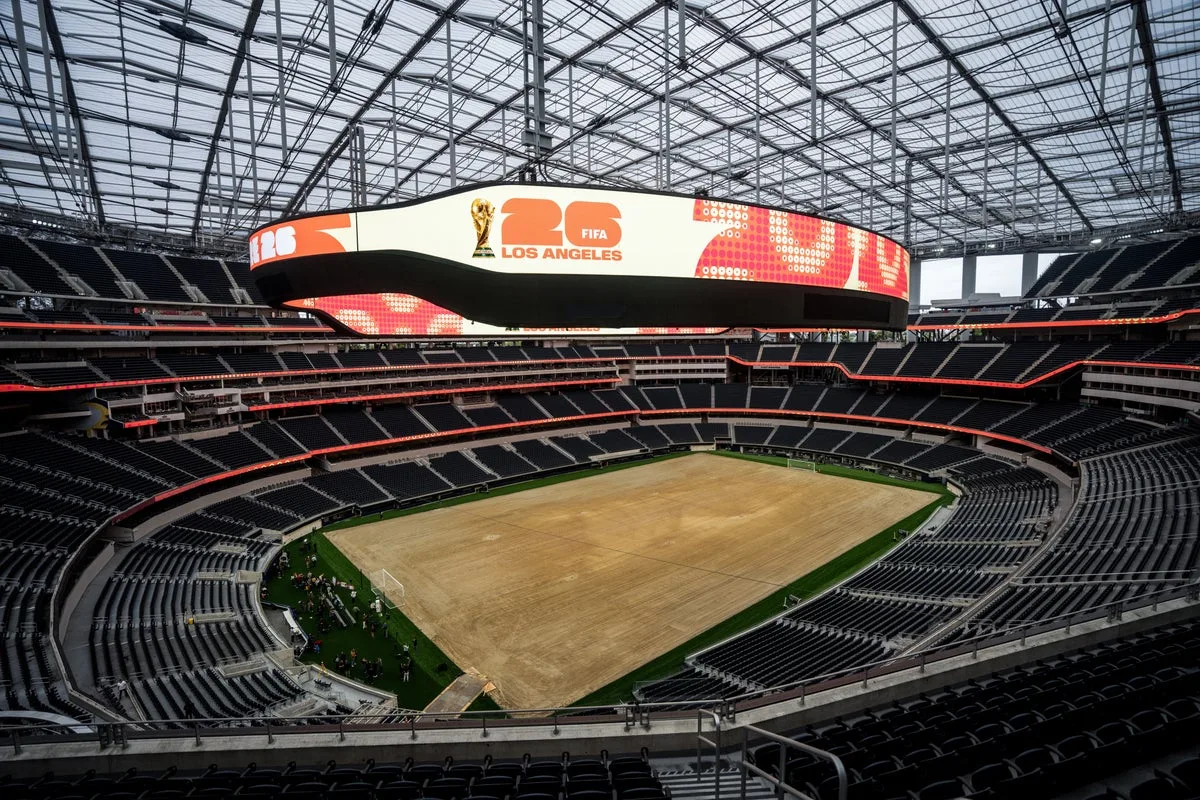
Hospitality workers at Sofi Stadium near Los Angeles have voted to authorize a strike just days before the venue is set to host the U.S. men's soccer team's opening match in the FIFA World Cup.
Why It Matters
The labor action draws attention to worker concerns and potential disruptions as the U.S. hosts a major international sporting event expected to generate significant revenue and global attention.
What's Next
It remains to be seen whether the strike will proceed or be averted through negotiations, and how it may impact World Cup operations at the venue.
Sources
Confirmed by 4 independent sources
- Al JazeeraLeft39m agoFIFA World Cup: the politics and profits of the beautiful game
- The IndependentLeft1d agoThe Curacao blueprint and how Guyana are targeting a similar World Cup miracle
- The IndependentLeft2d agoStadium workers near Los Angeles vote to authorize a strike days before the World Cup begins