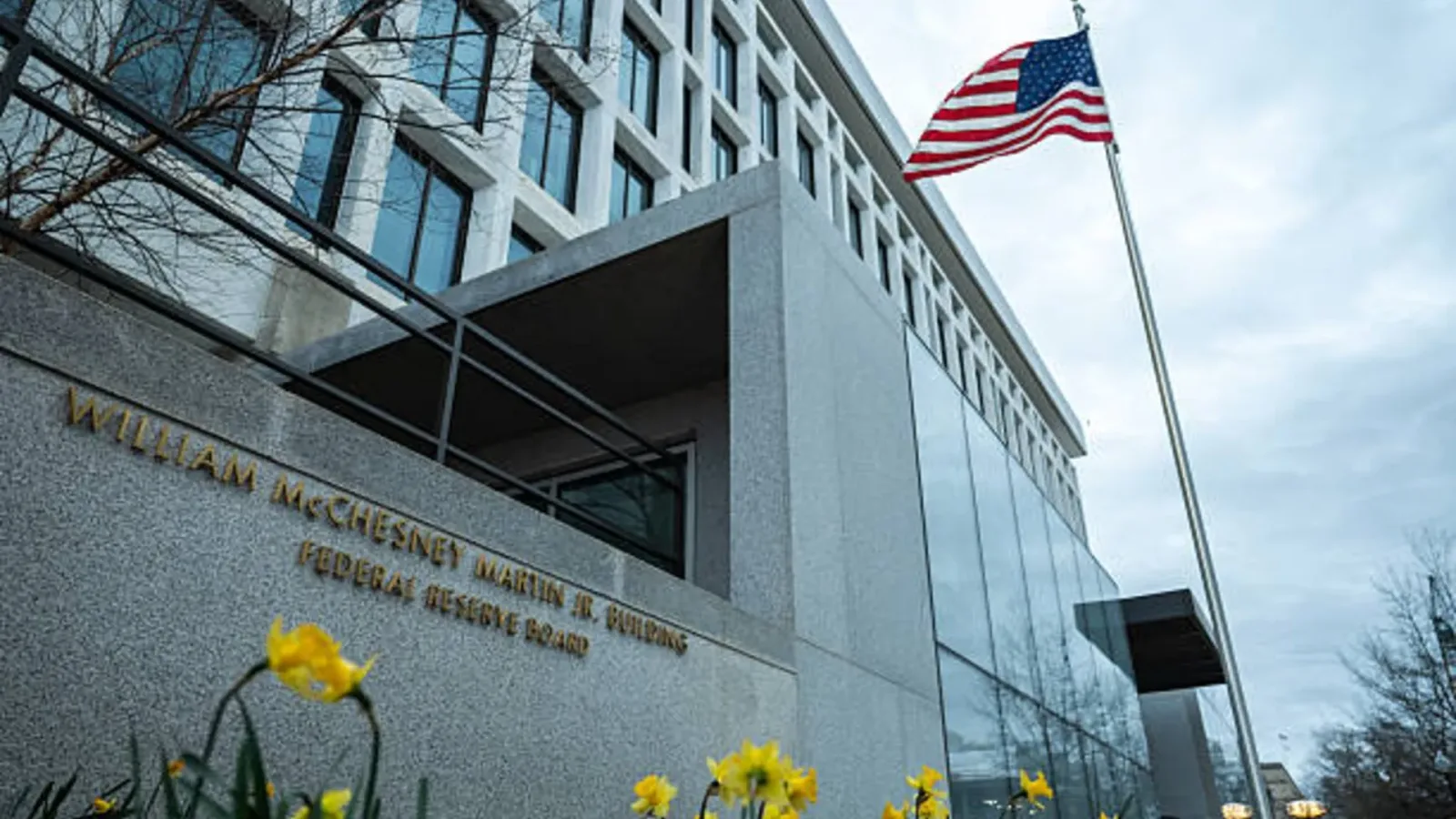
Federal Reserve Proposes Easing Capital Requirements for Major Banks
1-Minute Brief
Easing capital rules may affect lending practices and financial stability, impacting banks, investors, and the broader economy.
Key Facts
- The Federal Reserve has proposed a plan to ease capital requirements for large Wall Street banks.
- The proposed changes could potentially free up billions of dollars for lending, share buybacks, and dividends.
- Shares of Fannie Mae and Freddie Mac have dropped about 70% in the last six months, reaching their lowest level in over a year.
- Banking regulators are preparing to reduce the amount of capital banks must hold in reserve to mitigate risks.
- Investors have expressed doubt about the Trump administration's efforts to sell more Fannie Mae and Freddie Mac stock to the public.
What Happened
The Federal Reserve announced a proposal to ease capital requirements for major banks, a move that follows long-standing industry requests. This coincides with significant declines in Fannie Mae and Freddie Mac shares amid investor uncertainty.
Why It Matters
Changes to capital requirements can influence bank risk-taking, lending capacity, and the stability of the financial system. The developments also affect investor confidence in mortgage-finance companies.
What's Next
The Federal Reserve's proposal will undergo a review and comment period before any changes are finalized. Market participants are expected to monitor regulatory decisions and their impact on financial institutions and related stocks.
Sources
Confirmed by 2 independent sources
- Bloomberg MarketsCenter1d agoFannie and Freddie Shares Tank as Doubt Swirls About Trump Plans
- NYTLeft9h agoBanking Regulators Prepare to Loosen Post-Crisis Capital Rules
- Bloomberg MarketsCenter11h agoFed Unveils Plans to Ease Capital Rules for Big Banks