Escalation Involving Iran Drives Economic Strain and Disrupts Energy Markets
1-Minute Brief
Escalating tensions involving Iran are causing economic disruptions worldwide, impacting energy prices, inflation, and government finances.
Key Facts
- The International Monetary Fund warned that escalation involving Iran is increasing global debt levels and raising borrowing costs for governments.
- Iran is seeking the release of $100 billion in frozen assets as part of negotiations with the US.
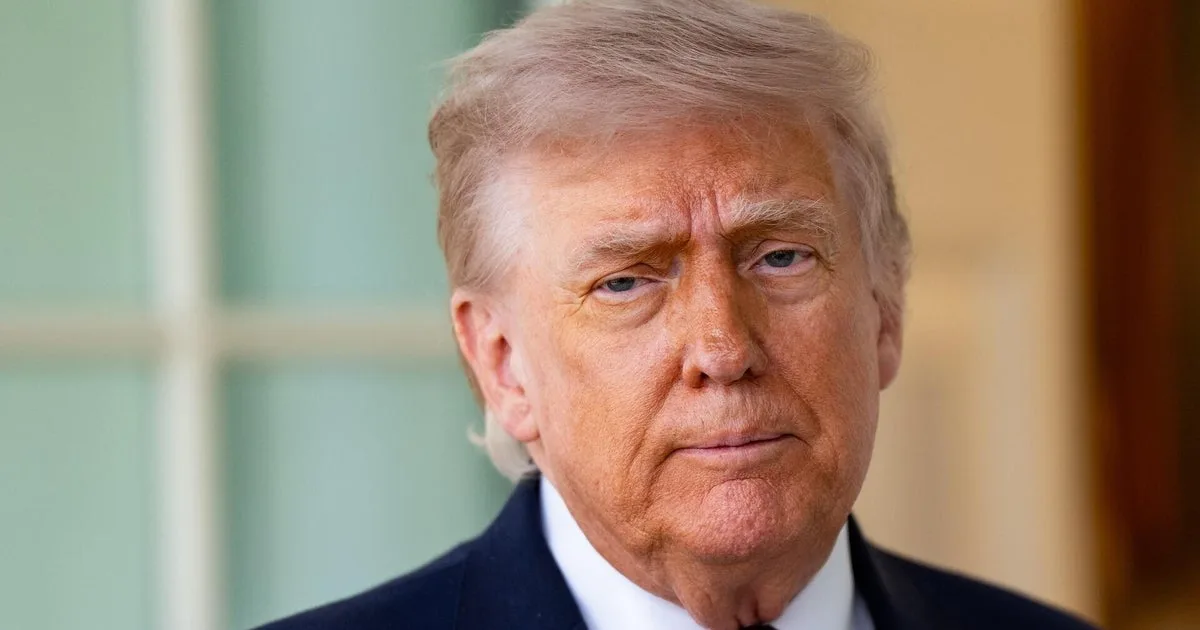
- President Trump stated that further talks with Iran are possible and discussed the effectiveness of the US blockade at the Strait of Hormuz.
- According to CNBC, the IMF said the UK will be hardest hit out of all developed economies as a result of the situation involving Iran.
- Oilfield equipment maker NOV Inc. cut its first-quarter earnings guidance, citing increased costs and delivery disruptions attributed to the conflict.
What Happened
Recent escalations involving Iran have coincided with rising energy prices, economic uncertainty, and disruptions in global supply chains, according to multiple sources.
Why It Matters
These developments are affecting inflation, government spending, and business operations worldwide, with warnings from international organizations about potential recessions and increased financial strain.
What's Next
Further negotiations between the US and Iran may occur, and global markets are expected to monitor ongoing economic and energy sector impacts as the situation develops.
Sources
Confirmed by 5 independent sources
- CBS NewsLeft3h agoTrump insists the Iran war is almost over
- The GuardianLeft3h agoEconomic shock from Iran war risks driving up global debt levels, says IMF
- Al JazeeraLeft3h agoWhat are Iran’s $100bn in frozen assets and where are they held?